
 English
  русский
  عربى
عربى 
Why a Beginner Snowboard Set Requires a Specific Flex Pattern
2026-07-24
Flex describes how much a snowboard bends when pressure hits the nose and tail. This physical trait gets built into the board through material selection, core construction, and thickness distribution. The flex pattern runs the full length of the board, from the tip through the insert area and out to the tail.
Board materials shape flex in distinct ways. Wood cores form the foundation for most boards, with bamboo, poplar, and other woods offering different bending characteristics. Fibreglass layers add strength and adjust how the board bends. Carbon fibre strips stiffen specific areas while adding barely any weight. Combining these materials creates a flex pattern that ends up unique to each model.
Flex doesn't stay uniform across the board. The nose and tail carry more flex than the centre does, which lets the board absorb terrain changes and settle into turns smoothly. Under the bindings, where the rider's weight sits, the board stays stiffer to provide support. This varied flex pattern, rather than uniform stiffness, gives the board its riding character.
Flex categories run from soft to stiff, with medium grades sitting in between. A soft flex board bends easily under lighter input. A stiff board resists bending, offering stability and edge hold at higher speeds. Each category tends to suit different rider levels and preferences.
| Flex Category | Characteristics | Who It Suits |
|---|---|---|
| Soft | Forgiving, easy turning, forgiving of errors | Beginners and park riders |
| Medium | Balanced response, moderate stability | Intermediate all-mountain riders |
| Stiff | High stability, strong edge hold, requires more input | Advanced riders and high-speed conditions |
How Flex Pattern Affects Turning and Edge Control
Turning on a snowboard means the rider applies pressure to one edge while letting the board bend into the turn. With softer flex, less pressure gets the board bending. Beginners naturally move with less force, and soft flex matches that input level well. The board responds without the rider needing to lean aggressively or push hard against the snow.
Turn initiation starts as the rider shifts weight toward the nose and onto the working edge. A softer nose bends into the snow more readily, engaging the turn without a sudden edge catch. This gradual engagement cuts down the risk of the edge digging in abruptly, which happens to be a common cause of falls during early learning.
Edge hold relates to how firmly the board grips the snow through a turn. Stiffer boards generally hold an edge better and resist twisting. Beginners, though, don't typically generate the forces that call for strong edge hold in the first place. A board that releases from the edge a bit more easily makes it simpler to correct poor weight placement, forgiving small mistakes along the way.
For beginners, forgiving characteristics tend to matter more than aggressive edge hold. A board that skids slightly during turn initiation rather than locking hard into the edge gives the rider time to adjust, which suits the learning process well. A Beginner Snowboard Set with appropriate flex combines easy turn engagement with forgiving edge release, supporting those early stages of snowboarding.
The Relationship Between Flex and Rider Weight
The same board doesn't feel the same to every rider. A heavier person applies more force just standing on the board, which causes more bend. A 150-pound person and a 200-pound person experience the same board quite differently, and that difference shapes how the board performs underfoot.
Matching flex to rider weight helps achieve the response a board was actually built for. A board that feels soft and responsive to a lighter rider may feel stiff and unresponsive to a heavier one. On the flip side, a board that works well for a heavier beginner may feel overly soft and unstable for someone lighter.
The flex rating on a Beginner Snowboard Set usually assumes an average rider weight, which gives a baseline for selection rather than a precise match. When actual weight falls outside that range, the board's flex may not line up with expectations. Weight recommendations from manufacturers offer practical guidance for narrowing down the right board.
Weight distribution affects how the board flexes too. A rider carrying more weight over the front foot engages the nose more readily. Weight centred over the board distributes load more evenly across its length. Variations in riding style shift how the flex pattern responds as well.
Speed Stability and Flex Characteristics
Speed changes how a snowboard feels, and flex plays into that relationship directly. At slower speeds, softer boards feel comfortable — they bend easily and soak up minor bumps without much fuss. At higher speeds, though, softer boards can start to feel nervous. They flex more than the rider might want, leading to behaviour that's harder to predict.
Stiffer boards gain stability as speed climbs. The extra stiffness dampens the board's response to bumps and forces, giving a more planted feeling on hard snow. A Beginner Snowboard Set with softer flex generally stays within a speed range suited to learning rather than encouraging high-speed riding. It performs well at the moderate speeds where beginners tend to ride.
The trade-off between easy turning and high-speed stability shapes this choice directly for the beginner experience. For someone still learning, easier turns outweigh the benefit of high-speed stability. Staying within the rider's comfort zone lets the board support skill development at a reasonable pace.
Softer flex also makes bumps and terrain irregularities feel less jarring underfoot. The board absorbs small shocks rather than sending them straight into the rider's feet. As the rider starts exploring varied terrain, this dampening effect helps reduce fatigue and builds confidence along the way.
Flex Pattern and Progression
Learning to snowboard happens in stages. Standing up for the first time, sliding straight down a gentle slope, wobbling through that first shaky turn — each step brings its own set of challenges. A Beginner Snowboard Set with the right flex tends to support each of these steps without getting in the way too much.
During those early days on snow, the rider needs a board responding to small movements without much drama. Shifting weight forward starts a turn. Leaning back slows things down a bit. With softer flex, these light inputs produce results the rider can actually feel and see. Forceful movements aren't really needed, so attention can stay on balance rather than muscle effort.
As confidence builds, the board keeps supporting that development along the way. Linking turns gets smoother when the board releases from the edge cleanly. Bumps and uneven snow get absorbed rather than sent straight up through the legs. Mistakes don't punish the rider too harshly, so practice keeps going without constant falls interrupting things.
At some point, the beginner starts outgrowing the soft flex. Wanting more stability at speed, or better edge hold on hard snow, tends to signal readiness for something different. This shift happens fairly naturally as skills improve over time. The Beginner Snowboard Set does its job during those early stages, and moving toward a different flex becomes part of moving forward rather than a setback.
Comparing Beginner Flex to Other Flex Patterns
Beginner-oriented flex differs from intermediate and advanced patterns in fairly clear ways. Design priorities shift as rider ability grows. Recognizing these differences helps explain why certain boards suit certain riders better than others.
For beginners, forgiveness tends to come first. The board shouldn't react too harshly to mistakes. Skidded turns should feel like a normal part of the process. Bumps get absorbed rather than transmitted straight through. Soft flex delivers this because the board bends easily and doesn't ask for much force to begin with.
Intermediate riders often lean toward medium flex. This middle ground between ease of turning and stability suits riders branching out into varied terrain. The board responds to more precise inputs while keeping a fair amount of forgiveness intact. Medium flex also offers better edge hold than soft flex, which comes in handy as speeds start creeping up.
Advanced riders generally move toward stiffer boards. Experienced riders generate higher forces and want the board holding an edge firmly at speed. Stiff flex brings stability, sharper turn initiation, and dependable edge hold on hard snow. The trade-off comes as less forgiveness — mistakes get felt pretty directly when they happen.
| Rider Level | Preferred Flex | What Matters |
|---|---|---|
| Beginner | Soft | Easy turning and room for error |
| Intermediate | Medium | Balanced feel and moderate stability |
| Advanced | Stiff to medium-stiff | Edge hold and steady high-speed feel |
Professional Ski Equipment follows a similar line of thinking. Gear built for experienced users leans toward precision and performance. Beginner-friendly gear, whether for skiing or snowboarding, tends to emphasize control and confidence-building features instead. Matching gear to skill level can make a noticeable difference in how quickly someone actually progresses.
Making the Right Choice for the First Setup
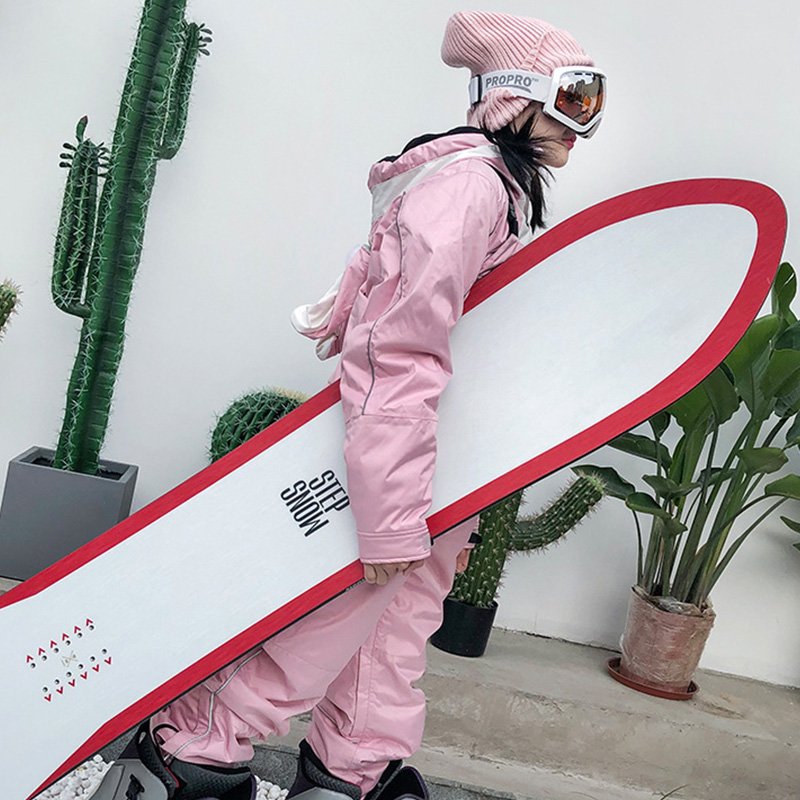
Several factors come into play when picking out a Beginner Snowboard Set. Flex stands out as a key point, but a few other things matter too. Shape, length, and sidecut all influence how the board rides in practice. Together, these characteristics decide whether the board actually supports learning or gets in the way.
Board length affects how easy the board is to handle. Shorter boards tend to feel easier to turn and control. A reasonable starting point for beginners is a board reaching somewhere between the chin and nose when standing upright. Weight recommendations from manufacturers usually offer more precise guidance than height alone.
Sidecut radius shapes how the board turns through a run. A tighter radius makes for sharper turns, while a looser one produces longer, sweeping arcs instead. For beginners, a medium sidecut tends to work well since it doesn't push toward either extreme. The board turns readily without feeling overly reactive underfoot.
Board shape plays a part too. Directional boards carry a longer nose and shorter tail, suiting riding mostly in one direction. Twin-tip boards stay symmetrical, allowing riding either way with equal ease. Most beginners start with directional boards since that matches the natural progression of learning to ride forward first.
Looking at the whole package helps in making a sensible call. A Beginner Snowboard Set usually includes the board, bindings, and sometimes boots. All the pieces should line up reasonably well with the rider's size and ability level. When these components work together, the learning experience tends to go a lot smoother.
Worth checking before buying:
- Flex rating against rider weight
- Board length matching height and weight guidance
- Sidecut shape suited to learning
- Binding fit with the chosen board
- Boot comfort, if included in the set
The Distinction Between Beginner Snowboard Sets and Professional Ski Equipment
Beginner Snowboard Sets and Professional Ski Equipment come from somewhat different design mindsets. One aims to help the learner along. The other serves the expert pushing limits. Each category prioritizes different things depending on who's actually going to use it.
Beginner Snowboard Sets lean toward ease of use. Soft flex, a forgiving shape, and predictable response lower the barriers to learning early on. Precise technique isn't really demanded at this stage. Mistakes get absorbed rather than amplified into bigger problems. This approach builds confidence and keeps the learning curve fairly manageable.
Professional Ski Equipment leans toward performance instead. Stiffer construction, precise response, and aggressive edge hold let skilled users push closer to their limits. Precise inputs get expected here, and feedback comes through pretty directly. Mistakes communicate clearly, which helps experienced riders fine-tune their movements over time.
Neither approach works better across the board — each just serves a different need depending on where the rider stands. A beginner on professional-level equipment would likely struggle, since the board would feel too stiff and unforgiving for where they're at. An expert on beginner gear, on the other hand, would probably outgrow the board's capabilities pretty quickly and start wanting more performance out of it.
Recognizing this distinction helps new riders make choices that actually fit. Equipment matched to someone's current level tends to offer the more supportive learning experience. Moving toward more advanced gear happens naturally enough as skills grow over time.
Flex ranks among the more important characteristics to consider in a Beginner Snowboard Set. A board with soft to medium flex tends to make learning easier, cuts down on falls, and helps build confidence along the way. As skills develop, the rider naturally starts looking toward different flex suited to new abilities and preferences.
How flex relates to skill level reflects a broader idea found across sports equipment generally. Matching gear to a user's current abilities tends to support progression rather than hinder it. Jumping too far into advanced equipment too early can end up slowing learning down instead of speeding it up. Choosing gear built for the beginner stage tends to offer a solid foundation for developing skills at a comfortable pace.





- Building 1 and 2, No. 2269, Jingzhong Road, Hongjia Street, Taizhou, Zhejiang, China
- +86-18857621312
- [email protected]
