
 English
  русский
  عربى
عربى 
How To Choose A Womens Snowboard All Mountain Model
2026-07-21
Mountain riding changes from one section to another. A slope that feels smooth at the start may turn softer later, and a narrow path can ride very differently from a wide open run. Because conditions shift so often, snowboard choice needs to match the way a rider actually moves through the mountain.
A board that fits well can make turning feel easier and reduce the amount of correction needed during riding. A board that does not match the rider often shows small problems early, such as weaker balance, awkward turns, or less comfort during longer sessions. Those small details matter more than appearance when the goal is steady riding across different snow conditions.
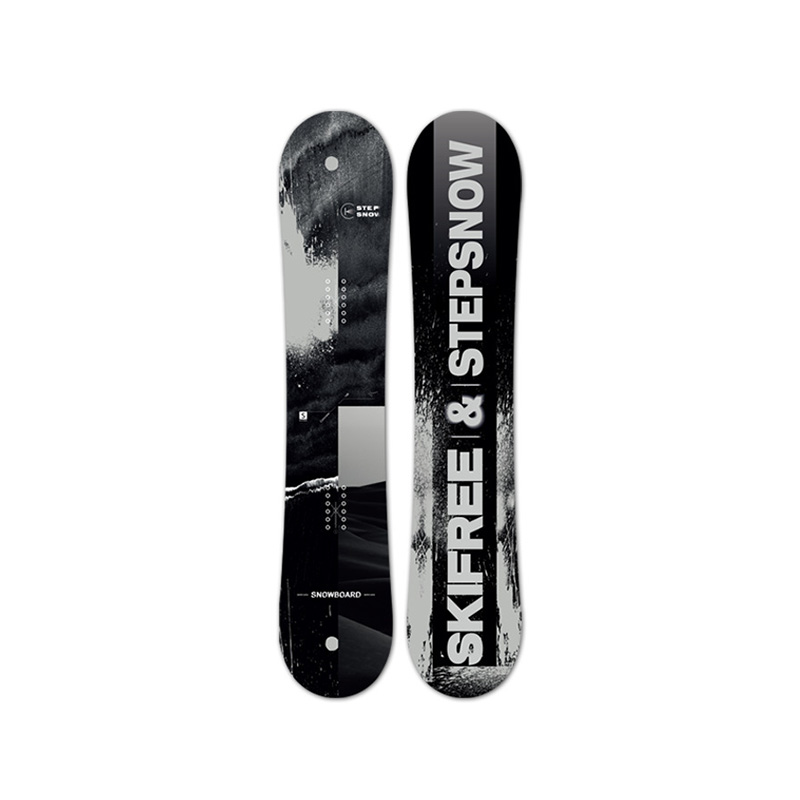
A Womens Snowboard All Mountain model is usually chosen by riders who want one board for varied terrain instead of switching equipment for each type of slope. That kind of board needs to stay manageable on groomed runs, mixed snow, and uneven sections without feeling too limited in any one area.
Several things influence the choice:
- riding experience
- common snow conditions
- comfort during movement
- board size
- flex feel
- how often the board will be used
Body shape and riding habits also play a part. A board that suits one rider may feel too stiff, too loose, or too hard to control for another. Matching the board to real use conditions usually gives a more practical result than choosing based on general advice alone.
What Should Women Consider Before Choosing An All Mountain Snowboard
Before looking at board details, it helps to think about where the board will actually be used. A rider who stays on smoother slopes may need something different from someone who often moves across mixed mountain areas.
Experience level is one place to start. New riders often need equipment that feels easier to manage during turns and balance changes. Riders with more time on snow usually pay attention to how quickly the board responds and how it behaves when riding shifts from one condition to another.
Terrain is another factor that changes the choice. Mountain riding may include:
- prepared slopes
- packed snow
- softer sections
- uneven areas
- changing surface texture during the day
A board used across several conditions needs a balance between control and movement. A design that works only for one style of riding may feel too narrow in real use.
Riding style also matters. Some riders prefer a calm and steady feel, while others like quicker response when changing direction. Personal rhythm on snow often gives a clearer idea of the right board than any general label.
A Womens Snowboard All Mountain model should fit the rider's own pattern of use. Thinking through terrain, pace, and control needs before purchase often avoids later frustration on the mountain.
How Does Snowboard Size Affect Riding Experience
Board size affects how the snowboard feels from the first turn onward. A board that is too long may seem harder to move, while one that is too short may not feel as steady when conditions change.
Length influences how much of the board stays in contact with snow. Longer boards often feel calmer at speed, while shorter boards may turn more easily. The right choice depends on the rider's body condition, riding habits, and the type of mountain use expected.
Width also matters. If the board is too narrow, foot placement may feel tight. If it is too wide, movement may feel less quick than expected. A reasonable width helps support balance without making the board feel awkward.
Flex works together with size. A board with the right flex can feel easier to guide through turns and terrain changes. The wrong mix of size and flex may make the board feel harder to control than expected.
| Size Point | Riding Effect |
|---|---|
| Length | Affects turning feel and stability |
| Width | Influences foot placement and balance |
| Flex | Changes response during movement |
| Shape | Affects how the board handles mixed snow |
Transport and storage also matter in daily use. A board that fits the rider's regular routine is often easier to use over time, not only on the mountain.
For a Womens Snowboard All Mountain, size should support the rider's actual riding pattern. A suitable size can make control feel more natural during different mountain conditions.
How Does Board Flex Influence An All Mountain Snowboard
Flex tells a rider how the board bends and responds under movement. That feel changes the way the board turns, holds, and reacts during riding.
A softer flex may feel easier to handle for some riders because it responds with less effort. Riders who are still building confidence often appreciate that kind of movement.
A medium flex can give a balance between support and response. Riders who move between different snow conditions may find that type of board easier to adapt to because it is not tied too closely to one riding style.
A stiffer flex usually asks for more control from the rider. Some riders prefer that feeling because the board can feel more direct under stronger movement.
Flex choice often depends on:
- rider experience
- terrain variety
- turning style
- comfort preference
- pace of riding
A Womens Snowboard All Mountain model should feel steady enough for mixed terrain while still giving the rider room to move in a natural way. Flex is one of the main parts that shapes that feeling.
Which Snowboard Shape Works For Different Mountain Conditions
Shape affects how a snowboard behaves on different snow surfaces. Riders often notice the shape through turning, balance, and how the board moves when the mountain surface changes.
Twin shapes tend to feel balanced in both directions. Directional shapes usually have a clearer front and back feel, which can suit riders who spend more time riding one way down the mountain. Hybrid shapes combine features from different layouts and can give a more mixed riding response.
Shape choice often depends on:
- slope style
- direction preference
- terrain changes
- turning habits
- how much variety the rider wants from one board
A rider who moves across several types of terrain may look for a shape that stays comfortable in different conditions instead of one built for a single purpose.
A Womens Snowboard All Mountain model is usually expected to handle changing mountain conditions with a balanced shape and predictable movement. That makes shape one of the key points in the selection process.
How Does A Womens Snowboard All Mountain Adapt To Changing Terrain
Mountain riding rarely stays the same for long. A slope that feels firm in the morning may become softer later in the day, and a run that looks smooth from the lift can feel different once the snow starts changing under repeated use.
Riders often notice those shifts quickly, especially when moving across several parts of the mountain in one session.
A Womens Snowboard All Mountain model is usually chosen for that kind of mixed riding. Rather than focusing on only one snow condition, it needs to give the rider a steady feel across different surfaces. That usually means the board should turn without feeling heavy, hold balance on uneven sections, and stay comfortable when the ride runs a little longer than expected.
A few riding points often shape the choice:
- turning control on firmer snow
- balance when the surface becomes uneven
- response when changing direction
- comfort during longer runs
A rider who enjoys calm cruising may look for a different feeling from someone who likes quicker turns and more active movement. The board does not change the mountain, although it can make those changes easier to handle.
A predictable board response matters in real use. When the rider knows how the board will react, adjusting body position becomes easier, and the ride usually feels less tiring.
What Role Does A Skis Supplier Play In Snowboard Selection
Snowboard selection usually starts with the rider, though suppliers still matter because product information is often the point where buyers begin comparing options. A skis supplier may work with different kinds of winter sports equipment and needs to understand how each product fits different snow conditions and user habits.
For buyers, clear information about board shape, size, flex, and intended use can make the decision process easier. It is not unusual for a rider to know the kind of terrain they use often, while still needing help matching that habit with the right equipment structure.
A supplier may need to look at several practical points:
- rider experience
- local snow conditions
- common terrain types
- equipment structure
- customer feedback from real use
A retailer serving mountain areas with changing weather may need different equipment options from a shop that mainly supports lighter practice use. Local conditions change what riders need, so product selection cannot stay the same everywhere.
A skis supplier also helps by sharing information that comes from real customers. Feedback about turning feel, balance, and board response often gives a clearer picture than a product label alone. That kind of input can help buyers compare options with more confidence.
How Should Riders Maintain An All Mountain Snowboard
A snowboard usually lasts better when daily care stays simple and regular. Snow, damp conditions, and rough contact with the ground can slowly affect the board, even when damage is not visible right away.
After riding, brushing off snow and wiping away moisture can help keep the surface in better shape. Leaving the board wet for a long time may affect the top layer and, over time, the edges and structure as well.
Before putting the board away, riders can check a few basic points:
- surface wear
- edge condition
- moisture on the board
- unusual marks or damage
Storage also plays a part. A dry space with stable conditions is usually easier on the board than a damp area with frequent temperature shifts. Small differences in storage habits can make a clear difference over time.
During the season, riders often notice changes through small signs rather than major problems. A board that feels less smooth during turns or shows a small change in edge grip may need a closer look. Basic inspection and careful handling usually go a long way.
Maintenance does not need to be complicated. A bit of cleaning, a quick check before storage, and attention to surface condition are often enough to keep the board ready for the next ride.
How To Compare Different Womens Snowboard All Mountain Options
Different snowboard models may look similar at a glance, although they can behave quite differently once they are on snow. Size, flex, shape, and the rider's own habits all affect how the board feels.
A practical comparison can focus on the parts that matter in daily use:
| Comparison Point | What Riders Usually Consider |
|---|---|
| Rider experience | How much control is needed |
| Terrain type | What kind of snow is used often |
| Board size | How the board moves and balances |
| Flex choice | How the board responds during turns |
| Maintenance needs | How much care the board will need over time |
Riders who move across several mountain areas may want a board that feels steady and flexible enough for changing conditions. Riders with a more fixed style may care more about how the board reacts to one kind of movement.
A Womens Snowboard All Mountain model should be judged by how well it fits real riding habits. A board that matches the rider's normal terrain often feels easier to trust than one chosen only because it looks suitable on paper.
Price, appearance, and general advice can help narrow the list, although they should not replace the rider's own sense of comfort and control.
How Winter Equipment Choices Connect With Real Riding Needs
Snowboard choice is tied closely to the way a rider actually spends time on the mountain. Conditions change, snow changes, and riding habits change as well. Equipment needs to stay useful through all of that.
Comfort, control, and confidence often matter more than any single feature. A board that feels right during turning and balance changes usually makes the ride easier to manage. A board that does not fit the rider's habits may feel awkward even when the overall design looks suitable.
A Womens Snowboard All Mountain model gives riders a practical option for mixed mountain conditions. Size, flex, shape, and care all affect the way it performs after purchase.
A skis supplier can support the process by sharing product information and helping buyers compare equipment features in a clearer way. That kind of support is useful when riders want equipment that matches their own use rather than a general description.
Rider, board, and mountain environment all work together. Looking at those parts as one whole usually leads to a more practical choice for different winter riding situations.







- Building 1 and 2, No. 2269, Jingzhong Road, Hongjia Street, Taizhou, Zhejiang, China
- +86-18857621312
- [email protected]
