
 English
  русский
  عربى
عربى 
Which Length of Womens Snowboard All Mountain Fits a Beginner Rider
2026-07-31
A snowboard that is the right length responds predictably to the rider's movements. One that is too short feels twitchy and unstable at speed. One that is too long feels heavy and resists turning. For a beginner, the right length makes the difference between a frustrating day on the mountain and an enjoyable one.
Shorter boards turn more easily because they have less surface area to swing around. The rider can pivot the board with less effort, which matters when learning to link turns. The shorter length also makes the board feel lighter underfoot.
A board that is too long presents challenges for a new rider. The extra length adds weight and increases the swing weight, making turns feel sluggish. The rider may struggle to get the board around, especially on steeper terrain. The frustration can slow down the learning process.
What Role Weight Plays in Choosing a Womens Snowboard All Mountain
Weight serves as the primary sizing factor for snowboards. The board needs to support the rider's mass during turns. A rider who is too heavy for a board will sink the board deeper into the snow, making turns feel sticky and slow. A rider who is too light for a board will find it difficult to flex the board and initiate turns.
The board's length and flex work together to support the rider's weight. A shorter board with a softer flex suits a lighter rider. A longer board with a stiffer flex suits a heavier rider. The combination of length and flex determines how the board responds.
Height alone does not provide enough information for sizing. Two riders of the same height can have different weights, and they will need different board lengths. The weight-based approach gives a more accurate starting point.
How to Use Height as a Secondary Sizing Guide
Height provides a secondary check on the sizing process. A common guideline suggests the board should stand between the rider's chin and nose when placed on end. The rule gives a rough starting point but should not override the weight-based recommendation.
Height matters more when two riders of the same weight but different heights are compared. A taller rider has a longer reach and can handle a slightly longer board. A shorter rider may find a shorter board more comfortable, even at the same weight.
Using height to narrow down the options works well when combined with weight. The two measurements together provide a clearer picture of which board lengths to consider.
What Length Range Suits a Typical Beginner
Women's all-mountain boards typically range from about 138 cm to 155 cm. The length that suits a beginner depends on the rider's weight and height. A lighter rider around 100-120 lbs might start with a 142-146 cm board. A heavier rider around 140-160 lbs might look at 149-155 cm boards.
Shorter boards in the 138-145 cm range make turning easier and reduce the effort needed to initiate a turn. The boards feel playful and forgiving, which suits a new rider. The trade-off appears at higher speeds, where the shorter board feels less stable.
| Rider Weight (lbs) | Suggested Board Length (cm) | Flex Recommendation |
|---|---|---|
| 100-120 | 142-146 | Soft to medium |
| 120-140 | 146-150 | Medium |
| 140-160 | 149-153 | Medium to firm |
| 160+ | 153-155+ | Firm |
Why a Beginner Snowboard Set May Already Include Size Guidance
A Beginner Snowboard Set often comes with the board, bindings, and sometimes boots packaged together. The manufacturer selects the board length based on the intended rider size. The package simplifies the decision for someone who does not want to research each component separately.
The advantage of a set lies in the matching of components. The bindings fit the board, and the boots fit the bindings. The sizing has been worked out so the rider can start with a functional setup without additional purchases.
The set may not offer the same choice of lengths as buying a board individually. The rider chooses from the lengths available in the set rather than the full range of board sizes. For a beginner who wants a simple solution, the set provides a practical starting point.
How Snowboard Features Affect the Riding Experience
Flex matters for a beginner. A soft flex board bends easily and forgives mistakes. The board twists when the rider applies pressure, allowing turns to start with less effort. A stiff board resists bending and requires more input from the rider.
Rocker profiles help beginners avoid catching edges. A rocker board curves up at the tip and tail, making the contact points ride higher off the snow. The shape reduces the chance of the edge digging in and sending the rider tumbling. Flat or camber boards sit flatter and offer more stability but require better edge control.
Directional twin shapes give the rider versatility. The board rides the same in both directions but has a slightly longer nose for float in powder. The shape works well for all-mountain riding and suits a rider who wants to explore different terrain.
Catch-free edge tunes make a real difference in the early days. The edges are beveled so they do not grab the snow unexpectedly. The rider can make mistakes without paying for them with a fall.
What Size Chart Comparisons Show for Different Builds
Size charts from different manufacturers vary. One brand may recommend a 146 cm board for a 120 lb rider, while another suggests 148 cm. The differences come from variations in board shape, flex, and intended use.
Comparing charts helps identify the overlap between weight and length. A rider who falls into the middle of a manufacturer's recommended range for a particular length can size up or down within that range. Sizing down gives easier turning. Sizing up offers more stability at speed.
The rider should look at the weight range for each length and find where their weight falls. If they are at the bottom of a range, they might size down. If they are at the top, they might size up. The position within the range provides guidance.
A few points about using size charts:
- Each manufacturer has its own sizing philosophy
- Weight is the primary factor in the chart
- Height serves as a secondary check
- The rider's ability level may shift the recommendation
- Sizing down helps beginners, while sizing up suits intermediates
Why a Beginner's Skill Level Shapes the Final Decision
A beginner benefits from a board that is slightly shorter than the weight-based recommendation. The shorter board turns easier and feels more manageable. The rider can focus on technique rather than wrestling with the board.
The value of a forgiving board in the early days comes from the reduced effort required to control it. The board does not punish small mistakes. The rider builds confidence because each turn works as intended.
There is a trade-off with a very short board. The rider may outgrow it quickly as skills improve. A board that feels right for the first few days may feel too small after a season of riding. The rider may need to buy a longer board sooner than expected.
Confidence matters in board selection. A rider who feels in control will ride more and improve faster. A rider who feels overwhelmed may ride less and take longer to progress. The right board supports confidence.
What Steps Help a Beginner Find the Right Length
Weighing the rider comes first. A scale provides accurate information for the size chart. The weight should be taken in street clothes, similar to what the rider will wear on the mountain.
Consulting the manufacturer's size chart follows. The chart shows which lengths correspond to the rider's weight. The chart also accounts for the board's flex and intended use.
Adjusting based on ability and riding goals follows. A rider who wants to progress quickly may size down. A rider who wants a board they can grow into may size up. The adjustment should be small, not more than a few centimetres from the chart recommendation.
Considering a Beginner Snowboard Set offers a simplified path. The set comes with a board sized for the intended rider, along with bindings and sometimes boots. The components are matched, and the sizing has been worked out.
Where the Right Length Leads the Beginner
A board that fits well leads to a better experience on the mountain. The rider can turn when they want to turn and stop when they want to stop. The board responds to their input, and they learn to trust it.
The relationship between length and enjoyment becomes clear over time. A rider who feels in control will want to ride more. A rider who struggles will find excuses to stay off the mountain. The right length supports a positive feedback loop.
When to move to a longer board depends on the rider's progress. A rider who has outgrown the beginner board will notice that it feels too small. The board may feel unstable at speed or lack edge hold on firm snow. Those signs point toward a longer board.
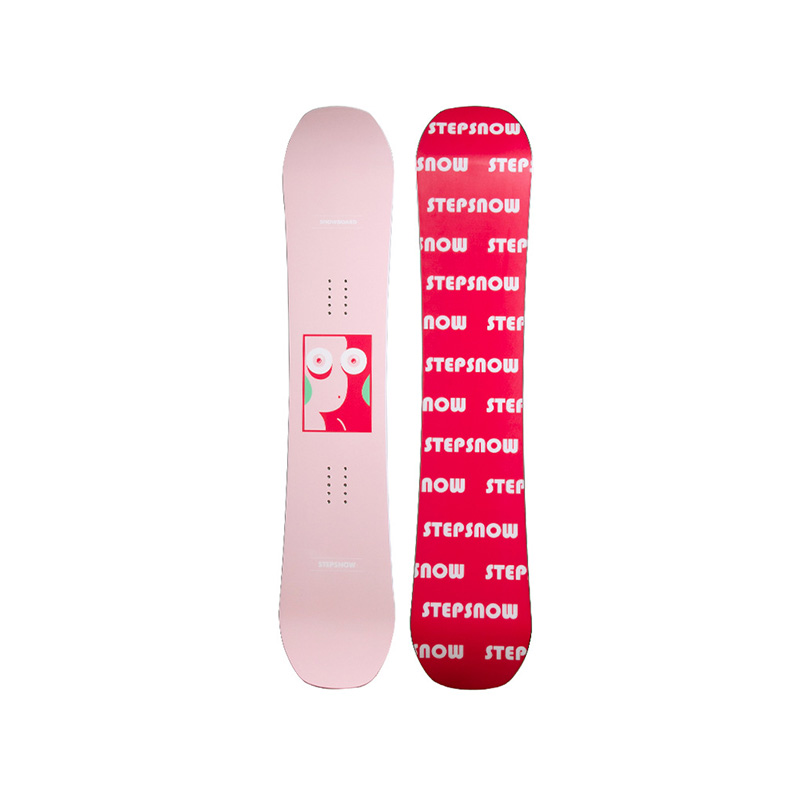
Choosing the right Womens Snowboard All Mountain length involves weight, height, ability, and goals. A board that fits the rider well from the start supports faster learning and more enjoyment. The time spent getting the size right pays off from the first day on the mountain.




- Building 1 and 2, No. 2269, Jingzhong Road, Hongjia Street, Taizhou, Zhejiang, China
- +86-18857621312
- [email protected]
