
 English
  русский
  عربى
عربى 
When to Upgrade From a Beginner Snowboard Set to Professional Ski Equipment
2026-08-04
Snow sports usually start small — learning balance, getting a feel for controlled movement, adjusting to conditions that shift by the day. During that early stretch, equipment that's easy to handle makes a real difference, since it lets a rider focus on fundamentals instead of wrestling with adjustments that don't matter yet.
A Beginner Snowboard Set is built around exactly that idea. It smooths out the learning curve, giving new riders more room to practice movement and build confidence without extra friction getting in the way. The equipment doesn't need to match advanced techniques at this stage, because the actual goal is developing control and getting a feel for how the board responds underfoot.
That said, needs shift as riding experience accumulates. Someone who started out focused purely on staying upright often begins noticing turning accuracy, speed control, or how different snow conditions change the experience. Equipment that felt perfectly comfortable early on can start feeling limiting once riding habits mature past it.
A few changes tend to signal that shift:
- Riding becomes more frequent
- Basic techniques become more natural
- Personal riding preferences become clearer
- More attention goes toward control and comfort
Upgrading isn't purely a function of experience level, though. It's tied just as much to how someone actually uses their equipment and what kind of experience they're hoping to get out of time on the mountain.
Why Beginner Snowboard Sets Work Well for Early Learning
Learning any snow sport involves a long string of small adjustments. Balance, body positioning, reaction speed — all of it develops through repetition rather than instruction alone. Equipment that's easier to manage takes some of the unnecessary difficulty out of that process.
Beginner‑oriented gear tends to prioritize predictable handling above almost everything else. When someone's still learning, sudden or unpredictable responses from equipment just add friction they don't need yet. A more forgiving setup keeps attention where it belongs — on technique.
Several features tend to support that early stage well:
- Easier movement control during practice
- Comfortable handling for basic turns
- A design that supports gradual improvement
- Reduced pressure during the learning process
Beginner setups also give riders room to figure out their own preferences. Some people gravitate toward smooth, relaxed cruising; others discover an interest in more dynamic riding styles later on. Starting with simpler equipment gives space to explore that before committing to a bigger investment.
Progress inevitably reshapes expectations, though. Once fundamentals feel familiar, riders often start noticing exactly where their current setup falls short — which is a perfectly normal part of skill development, not a sign anything went wrong early on.
Recognizing When It's Time to Move Beyond Beginner Equipment
Figuring out when to upgrade comes down to actual riding experience rather than any fixed timeline. Replacing equipment makes sense once the current setup stops matching how it's actually being used.
One fairly reliable sign: control starts feeling easier than it used to. Once basic movements stop demanding conscious effort, riders often start experimenting with more technical actions — and that's typically the point where equipment with different characteristics starts making more sense.
Other signs tend to show up too:
- Current equipment feels less responsive during certain movements
- Riding goals become more specific
- Longer sessions create new comfort requirements
- Different snow conditions require different handling
Someone who rides occasionally might comfortably stick with beginner equipment for quite a while. Someone spending more time actively improving tends to notice its limits sooner. Really, it comes down to individual progress and how often the equipment actually gets used.
Confidence plays into this too. As ability grows, riders naturally start wanting equipment that keeps pace with that growth. The point of upgrading isn't chasing something more complicated for its own sake — it's finding equipment that actually matches where a rider currently stands.
How Skill Development and Riding Goals Shape Equipment Choices
Skill improvement gradually reshapes the relationship between a rider and their gear. Early on, everything centers on basic control. Later, attention shifts toward technique, movement style, and the specific environments someone rides in.
Different goals pull equipment needs in different directions. A rider who prefers relaxed, easygoing sessions tends to value comfort and simple handling, while someone drawn to more demanding conditions typically looks for gear that responds differently underfoot.
| Riding Stage | Equipment Focus | Main Consideration |
|---|---|---|
| Learning stage | Simple control and comfort | Building basic riding skills |
| Regular practice | Balanced handling | Supporting changing techniques |
| Skill development | More specialized features | Matching personal riding goals |
Matching equipment to actual ability helps sidestep unnecessary frustration. Someone who jumps to advanced gear too early often spends more time adapting to it than actually improving their riding. Equipment works best when it supports progress rather than adding friction of its own.
Personal goals matter here too. Snow sports cover a wide range of experiences, and each style tends to place different demands on gear. Getting clear on what kind of riding someone actually enjoys makes the whole upgrade decision considerably more practical.
How Professional Ski Equipment Differs From Beginner Options
As riders accumulate experience, their equipment choices tend to get noticeably more specific. Professional Ski Equipment generally suits users who've developed clear riding goals and understand how particular design choices affect performance and handling on the slope.
Compared with beginner gear, advanced equipment tends to prioritize response, stability, and adaptability to specific riding situations — qualities that genuinely matter once a rider has established techniques worth building on.
The gap between beginner and advanced gear isn't only about specifications, either. It's about the relationship between rider and equipment. Someone with more experience can usually feel how a given equipment change affects their movement and control almost immediately.
A few factors tend to drive that difference:
- Construction style and material selection
- Response during different movements
- Adaptation to certain riding conditions
- Comfort during extended use
An upgrade should come out of genuine need rather than how impressive something looks on a shelf. Equipment that looks advanced doesn't automatically suit every rider who buys it. Matching ability, riding habits, and equipment characteristics stays the real core of a good decision.
When Does It Make Sense to Move Toward Professional Ski Equipment?
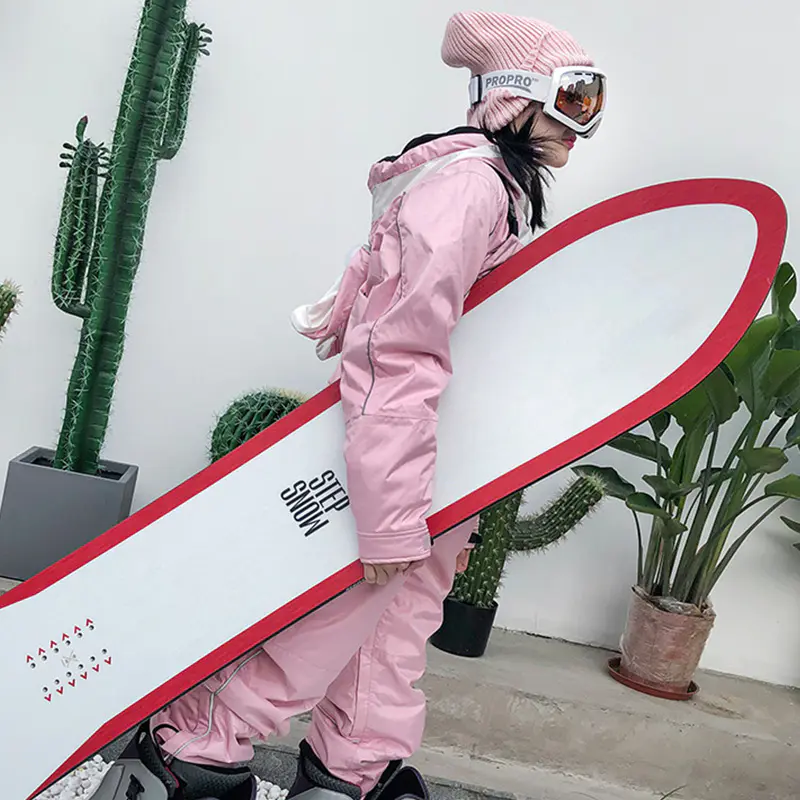
Moving from a beginner setup toward something more specialized usually tracks alongside genuine changes in riding habits, rather than following any predetermined schedule. Spend enough time on snow, refine technique, explore terrain that's a bit different from what you started on — and basic equipment often starts feeling like it's holding things back rather than supporting them.
That shift tends to come from lived experience more than from hitting some fixed point on a skill chart. Once equipment starts limiting movement, comfort, or control, that's usually the signal worth paying attention to.
A handful of situations tend to point toward an upgrade:
- Riding sessions become more regular and require equipment with different support
- Personal riding style becomes clearer over time
- Certain movements feel restricted by current equipment
- More attention is given to stability and handling during different conditions
Choosing Professional Ski Equipment should line up with actual ability and riding plans, not just enthusiasm. Gear built for experienced users typically assumes a stronger baseline understanding of movement and control — without that foundation, adapting to new characteristics can take noticeably longer than expected.
Goals shape timing here too. Someone riding casually on weekends has different needs than someone actively chasing technical improvement, and the right moment for a change really comes down to how well the current setup still fits daily use.
What's Worth Thinking Through Before Changing Equipment
Upgrading isn't just picking a fancier category off the shelf. Several factors quietly determine whether a new setup will actually suit a particular rider in a particular environment.
Comfort deserves genuine weight in that decision. Equipment that matches both ability and physical habits tends to feel natural almost immediately; equipment that ignores those details can create friction that wasn't there before.
Worth considering along the way:
- Current skill level and riding experience
- Preferred snow conditions and riding areas
- Frequency of use
- Storage and maintenance requirements
- Long‑term riding plans
Budget factors into this too, naturally. Higher‑tier products often pack in features built for specific situations, while a simpler option might already cover what someone actually needs. The real goal is matching equipment to actual use rather than choosing based on appearance or category prestige.
Maintenance shouldn't get overlooked either. Different materials and structures come with different care routines, and understanding those upfront makes a real difference in keeping equipment in good shape over time.
The whole transition doesn't need to happen all at once, either. Plenty of riders swap out certain pieces before others, adjusting gradually rather than replacing everything simultaneously. That step‑by‑step approach gives more room to figure out whether a new setup genuinely fits before committing fully.
How Does an Equipment Supplier Support the Upgrade Process?
A supplier's real value lies in connecting the right products with the right users — and given how much skill levels and riding styles vary across snow sports, clear information about equipment characteristics goes a long way toward helping people land on suitable choices.
A Professional Ski Equipment supplier needs more than a spec sheet to be genuinely useful. Understanding how products differ in design, handling, and intended use matters, but practical guidance about matching gear to actual riding habits tends to matter even more.
That guidance usually covers a few areas:
- Explaining differences between equipment categories
- Providing information about material and construction choices
- Helping compare options based on usage needs
- Supporting decisions during the replacement process
Good communication between supplier and rider cuts down on confusion during an upgrade. Someone stepping away from a Beginner Snowboard Set typically needs different information than someone who's already spent years with specialized gear.
Really, a solid selection process depends on both sides doing their part — suppliers bringing product knowledge, riders bringing honest awareness of their own goals and current ability. When those two things line up, equipment choices tend to get a lot more practical.
How Does Equipment Selection Support Long‑Term Riding Development?
Equipment and skill development stay tightly linked throughout a rider's progression. As technique improves, having the right gear at each stage helps someone handle new challenges and different riding conditions without unnecessary struggle.
A beginner setup carries real importance here, since it builds the foundation everything else gets stacked on. Without a comfortable starting point, developing basic skills becomes considerably harder than it needs to be. But that foundation isn't meant to last forever — continued improvement naturally creates new requirements as it goes.
A reasonably balanced upgrade path tends to follow this rough shape:
- Learning basic control with suitable equipment
- Recognizing changes in riding habits
- Identifying areas where current equipment feels limited
- Selecting equipment that matches future goals
Upgrading isn't really about climbing toward a more advanced category for its own sake. A good choice fits where a rider actually stands right now, along with what they expect to be doing next.
Timing varies a lot from person to person, too. Some riders happily stick with beginner gear while quietly refining technique for years; others need a change fairly quickly after discovering an interest in a different style of riding altogether. Personal experience stays the reference point that actually matters here.
Why Does the Right Equipment Choice Matter During Skill Development?
Equipment shapes how directly a rider connects with the environment underfoot. The right setup tends to support confidence, comfort, and steady improvement, while a mismatched one can introduce difficulties that have nothing to do with actual skill.
A Beginner Snowboard Set gives new riders a practical, low‑pressure starting point for building basic control. As experience deepens, Professional Ski Equipment becomes worth considering for those with sharper goals and a stronger technical grasp of what they're doing on the slope.
That relationship between equipment and ability isn't static — it shifts as riders grow. Early on, everything centers on learning control and building familiarity. Later, the focus moves toward refining technique and adapting smoothly to varied conditions.
Choosing gear around genuine need, rather than around trends or appearance, tends to make the whole development process considerably smoother. Riding frequency, personal preference, comfort, and future plans all factor into that decision in different ways.
Snow sports keep drawing people in with wildly different interests and starting points, and equipment choices need to stay flexible enough to match that variety. A good upgrade happens when the gear and the rider's ability start pointing in the same direction — letting the equipment support progress instead of getting in its way.




- Building 1 and 2, No. 2269, Jingzhong Road, Hongjia Street, Taizhou, Zhejiang, China
- +86-18857621312
- [email protected]
