
 English
  русский
  عربى
عربى 
When to Choose an Off Road Farm UTV Over a Standard Pickup Truck
2026-08-25
Farm transport rarely follows a single route. A working day may involve paved roads, gravel lanes, field paths, muddy ground, storage areas, livestock spaces, and narrow routes between fences. A vehicle that works well on one surface may become less convenient when the route changes several times.
Pickup trucks have long been used for moving supplies, tools, equipment, and people between different locations. Their road‑oriented design can make longer journeys and larger cargo tasks practical. Farm work, however, often includes short trips away from established roads, where compact dimensions and easy maneuvering become more relevant.
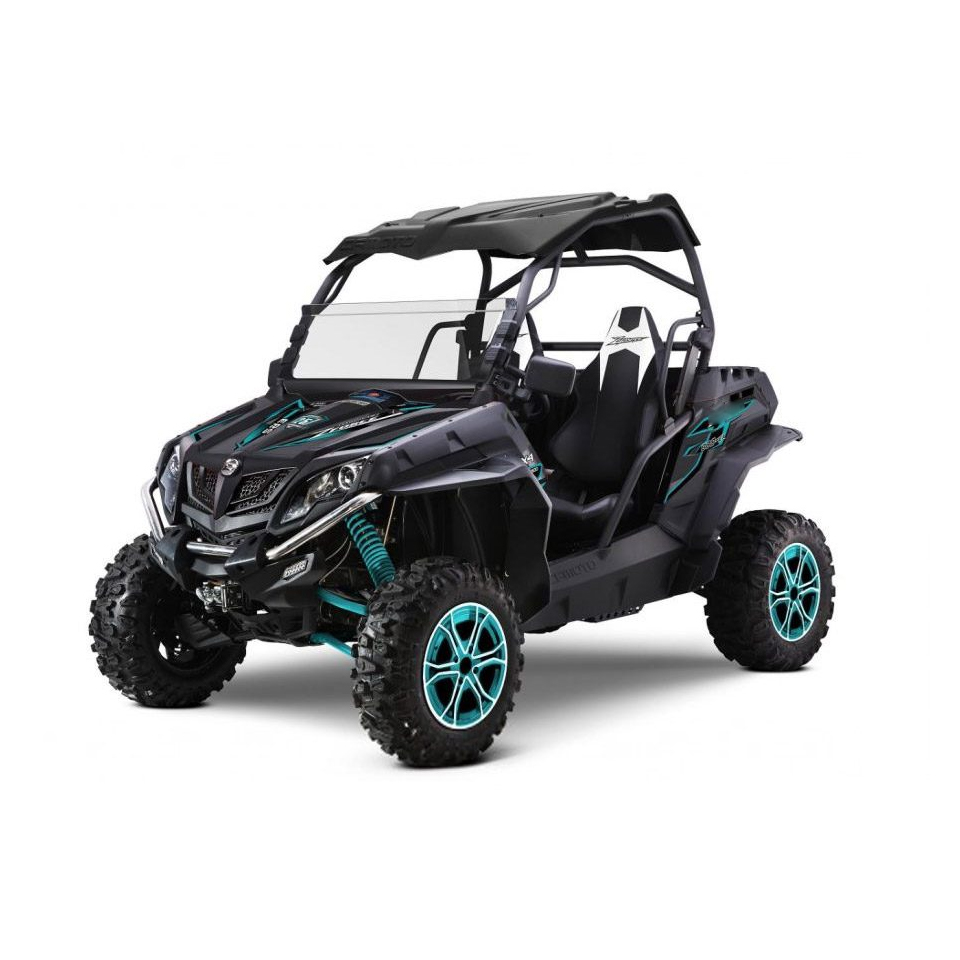
An Off Road Farm UTV is designed around a different type of movement. Rather than focusing mainly on road travel, a utility vehicle of this kind is commonly used around fields, farm tracks, wooded areas, storage zones, and other working sections of rural property.
Choosing between both vehicle types therefore depends less on appearance and more on the actual routine. A useful assessment starts with several simple questions:
- Where does the vehicle normally travel?
- What materials need to be carried?
- How often does road travel occur?
- How narrow or uneven are working routes?
- Are passengers regularly transported?
- How much time is spent moving between nearby work areas?
A farm with long road journeys and large loads may have different requirements from a property where daily work involves repeated movement between fields and buildings. Vehicle selection becomes clearer when each task is considered separately.
What Farm Tasks Suit An Off Road Farm UTV
Many farm activities involve movement rather than heavy transportation. Workers may need to inspect fences, carry hand tools, move small loads of feed, check remote areas, or travel between buildings and fields several times during a working period.
A compact utility vehicle can fit naturally into such routines because access often matters as much as carrying capacity. Narrow farm paths may have little room for turning, while vegetation, gates, slopes, and uneven ground can make positioning a larger vehicle inconvenient.
Fence inspection provides a simple example. A worker may need to follow a long boundary, stop at several points, carry repair tools, and move between sections that are not connected by paved roads. Using a road‑focused vehicle for every part of the route may involve unnecessary maneuvering around gates and narrow areas.
Similar conditions can occur during:
- Moving tools between work areas
- Checking irrigation equipment
- Carrying feed around a property
- Inspecting gates and fences
- Transporting small maintenance materials
- Reaching storage areas away from paved access
Cargo requirements still need attention. A utility vehicle is not automatically suitable for every load simply because it can travel over rough ground. Heavy, bulky, or unusually shaped materials may require a different transport method.
Passenger needs matter as well. Some farm tasks involve two or more workers traveling together, while other jobs can be handled by one person with a small collection of tools. Seating arrangements and available cargo space should match the actual work rather than an assumed routine.
When Does A Pickup Truck Make More Sense
Pickup trucks remain useful where road travel forms a large part of farm transportation. A typical workday may include trips between a farm, supply location, workshop, storage facility, or nearby town. In such situations, a road‑capable vehicle can serve as both a work vehicle and a transport option.
Larger cargo can also shift the decision toward a pickup. Long materials, bulky equipment, larger quantities of supplies, and loads requiring a conventional truck bed may be easier to organize in a pickup.
Towing requirements provide another consideration. Some farm operations regularly move trailers or equipment between locations, making towing compatibility part of the vehicle selection process.
A pickup may therefore suit tasks such as:
- Traveling between separate properties
- Carrying bulky farm materials
- Moving equipment on public roads
- Transporting supplies over longer routes
- Towing suitable farm equipment
- Combining road travel with cargo work
Road access is a major dividing factor. When most journeys take place on established roads, using a specialized off‑road utility vehicle for every trip may not make practical sense. A pickup can cover road movement while another vehicle handles difficult field access.
Neither vehicle needs to replace the other in every situation. Farm transport often becomes easier when each vehicle is assigned to tasks matching its design and operating environment.
How Does Terrain Affect The Vehicle Choice
Terrain can change the practical value of a vehicle very quickly. A route that appears simple during dry weather may become muddy after rain, while a narrow track can become difficult to navigate when vegetation grows along both sides.
Flat paved roads place different demands on a vehicle from uneven fields or loose gravel. Farm paths may contain ruts, stones, soft soil, slopes, or drainage channels. Frequent movement across such areas makes ground access an important part of vehicle selection.
Vehicle size can influence maneuverability. A larger body may require more room when turning around a field entrance or passing through a narrow gate. A smaller utility vehicle can sometimes move through working areas with less repositioning.
Terrain should be assessed according to normal working conditions rather than an occasional unusual route. Consider:
| Working Environment | Main Vehicle Consideration |
|---|---|
| Paved road | Road travel and comfort |
| Gravel lane | Stability and surface handling |
| Field path | Ground access and maneuverability |
| Muddy area | Traction and route condition |
| Narrow trail | Vehicle width and turning space |
| Sloped ground | Stability and controlled movement |
Weather can alter route conditions as well. A farm vehicle selected during dry conditions may face very different demands during wet periods. Seasonal changes in soil condition, vegetation, and access routes should therefore form part of the assessment.
Ground clearance, tire condition, steering response, and suspension behavior can all influence movement across rough terrain. Rather than focusing on one feature, vehicle choice should consider how the complete vehicle handles the routes used during ordinary farm work.
How Do Cargo And Passenger Needs Change The Decision
Cargo type can matter more than cargo quantity. A collection of hand tools and small supplies may fit easily into an open utility cargo area, while long or heavy materials may require a pickup bed or trailer.
Farm work also changes from one task to another. Morning duties may involve carrying tools to a field, followed by feed movement later in the day and road travel for supplies afterward. A single vehicle may not handle every activity in the same practical way.
Passenger arrangements deserve similar attention. Some jobs require one worker to move independently, while others involve several people traveling together. Seating space, access, and cargo placement need to remain compatible with the intended work.
A useful way to assess requirements is to divide loads into three groups:
- Small Working Loads
Tools, repair materials, inspection equipment, and routine supplies. - Bulky Loads
Larger farm materials that need an open bed or additional loading space. - Road Transport Loads
Materials that need to travel between locations using established roads.
Such classification can prevent vehicle selection from being based only on general impressions. A compact utility vehicle may fit repeated field work, while a pickup may remain necessary for larger loads and road‑based transportation.
Cargo protection is another practical concern. Some materials need to remain dry or secured during travel, while others can be carried in an open working area. Farm conditions, weather exposure, and loading methods should all be considered before choosing a vehicle.
What Role Does Daily Travel Distance Play
Travel distance can change how useful a farm vehicle becomes during routine work. Short trips within one property involve repeated starts, stops, turns, and loading activities, while longer journeys place greater importance on road behavior, seating comfort, cargo security, and access to established routes.
A worker checking several fields may travel back and forth between a storage building, equipment area, and remote section of a property. Each trip may cover a relatively short route, yet repeated movement can take up a large part of the working day. A compact utility vehicle can fit naturally into such routines because field access remains central to its purpose.
Longer travel creates a different requirement. When supplies need to move between separate properties or from a farm to a nearby service area, road suitability becomes more important. A pickup truck may provide a more practical arrangement for combining cargo movement with regular road travel.
Travel patterns can be divided into a few simple groups:
- On‑site travel: Movement between fields, buildings, gates, and storage areas
- Mixed travel: A combination of farm paths and public roads
- Off‑site travel: Longer movement between properties or supply locations
Mixed travel requires closer consideration because one route may contain several surface types. A vehicle that spends much of its working time on fields may need different characteristics from one that spends most of its day on paved roads.
Frequency matters as well. A route used several times each day deserves more attention than an occasional access road. Repeated travel can reveal whether vehicle size, turning space, cargo access, and ground handling are genuinely suitable for daily work.
How Do Maintenance And Operating Conditions Differ
Farm vehicles work in environments where dust, mud, moisture, grass, branches, and loose soil are common. Such conditions can affect exposed surfaces and moving parts over time, making routine inspection part of ordinary farm care.
An Off Road Farm UTV may spend much of its working life away from paved surfaces, so cleaning after muddy or dusty work can help keep important areas visible during inspection. Accumulated material around wheels, underbody sections, and cargo areas can make it harder to notice damage or wear.
Pickup trucks used around farms face similar environmental exposure, especially when driven into fields or unpaved areas. A road‑focused vehicle does not become maintenance‑free simply because its main use involves paved routes.
Routine checks can include:
- Tire condition
- Steering response
- Brake operation
- Suspension areas
- Cargo bed or cargo box condition
- Fasteners and accessible fittings
- Mud or debris accumulation
- Visible damage after rough travel
Cleaning needs to match the vehicle and its construction. Strong water pressure directed toward sensitive areas may not be appropriate, while leaving mud around mechanical components can create other maintenance concerns.
Storage conditions can influence care as well. A vehicle kept outdoors may experience more moisture and dirt than one stored under cover. Regular inspection can help identify changes before a small issue interferes with farm work.
Maintenance planning should follow actual use. A vehicle working through muddy fields every day may need closer cleaning and inspection than one used mainly on dry roads. Work environment, travel frequency, and seasonal conditions all contribute to a sensible maintenance routine.
What Should Be Checked Before Choosing A Farm Vehicle
Vehicle selection becomes easier when the assessment starts with daily tasks rather than vehicle categories. A short list of practical questions can reveal whether a compact utility vehicle, pickup truck, or combination of both fits the operation.
Terrain should come near the beginning of the assessment. Routes with narrow gates, soft soil, uneven fields, or steep sections may place greater importance on maneuverability and off‑road access.
Cargo requirements come next. Tools and small supplies may require a different arrangement from bulky materials or equipment that needs towing. Passenger use should be considered alongside cargo rather than separately, since additional seating can affect available loading space.
Road travel is another key factor. A farm located close to suppliers or storage facilities may involve frequent road trips, while a large property with extensive internal paths may involve far more on‑site travel.
A practical assessment can cover:
| Selection Area | Questions To Consider |
|---|---|
| Terrain | Are routes paved, muddy, uneven, or narrow? |
| Cargo | What type of materials move most often? |
| Passengers | How many workers usually travel together? |
| Road use | How often are public roads used? |
| Towing | Is trailer work part of normal operations? |
| Storage | Where will the vehicle be kept between tasks? |
| Maintenance | What cleaning and inspection conditions exist? |
Existing equipment should also be considered. A farm that already has a pickup may not need another road‑oriented vehicle for field inspection work. A compact utility vehicle could instead fill a different role, allowing each vehicle to handle tasks suited to its operating environment.
Budget should not be viewed only through purchase cost. Fuel use, maintenance, storage, insurance, replacement parts, and downtime can all influence the practical cost of operating a vehicle. Actual work patterns provide a better basis for comparison than a simple price comparison.
Can A UTV And Pickup Truck Work Together On A Farm
A farm does not always need to choose one vehicle at the expense of another. Different transport tasks can be divided according to route, load, and distance.
A pickup can handle road‑based transportation, larger cargo, trailer work, and trips between separate locations. A utility vehicle can remain focused on field access, fence inspection, tool movement, and short trips around working areas.
Such division can reduce unnecessary travel through difficult terrain. A larger vehicle can remain near a road or loading area while a smaller vehicle carries tools and supplies farther into the property.
Consider a maintenance task involving a remote fence section. Supplies may arrive at a farm entrance by pickup, while smaller tools and repair materials are transferred into a compact utility vehicle for movement along narrow paths. Each vehicle performs a separate part of the same task.
A similar arrangement can work around livestock areas, storage buildings, orchards, fields, and maintenance zones. Vehicle roles become clearer when transport is viewed as a complete process rather than a choice between two competing categories.
Using both types can also provide flexibility during changing work periods. Road transport may increase during supply deliveries, while field movement may become more frequent during maintenance or inspection work.
How Could Farm Vehicle Selection Change With Work Patterns
Farm work rarely remains identical throughout an entire operating cycle. Different periods can bring changes in field access, material movement, maintenance tasks, weather conditions, and road travel.
A property with relatively light field work may have limited need for an off‑road utility vehicle. Another operation may involve repeated movement across fields, fences, storage areas, and remote access routes, making compact transport more relevant.
Seasonal conditions can influence the decision as well. Wet ground may make field routes more difficult, while dry periods can increase dust exposure. Changes in crop work, livestock care, construction, or maintenance can also alter cargo and passenger requirements.
Vehicle selection can therefore be reviewed through actual work patterns:
Route → Terrain → Cargo → Passengers → Travel Distance → Maintenance
Looking at each part separately can reveal where a vehicle fits naturally and where another transport method would be more suitable.
An Off Road Farm UTV can be a practical choice when daily work involves repeated movement across fields, narrow paths, uneven ground, and short internal routes. A pickup remains useful where road travel, larger loads, or towing form a significant part of normal operations.
A combined approach may suit farms with varied transport needs. Road vehicles can handle longer journeys and larger loads, while compact utility vehicles can support work closer to fields and remote areas.
Vehicle selection ultimately follows the way a farm operates. Terrain, route length, cargo, passengers, maintenance conditions, and existing equipment provide a clearer basis for choosing suitable transport than relying on vehicle type alone.








- Building 1 and 2, No. 2269, Jingzhong Road, Hongjia Street, Taizhou, Zhejiang, China
- +86-18857621312
- [email protected]
