
 English
  русский
  عربى
عربى 
How 4 Seater Golf Cart Electric Works Well for Resort Transport
2026-08-28
Resort travel often involves short trips between places that sit within the same property. A guest may move from a reception area to a room, then continue toward a dining space or leisure area. Staff members face a similar need when carrying supplies or moving between buildings during daily work.
Walking can work for short distances, although luggage, warm weather, slopes and large properties can make repeated trips less convenient. Conventional road vehicles may also take up more space than needed for internal routes. A smaller electric cart can fit a different type of transport task, especially where movement happens at a controlled speed within a private property.
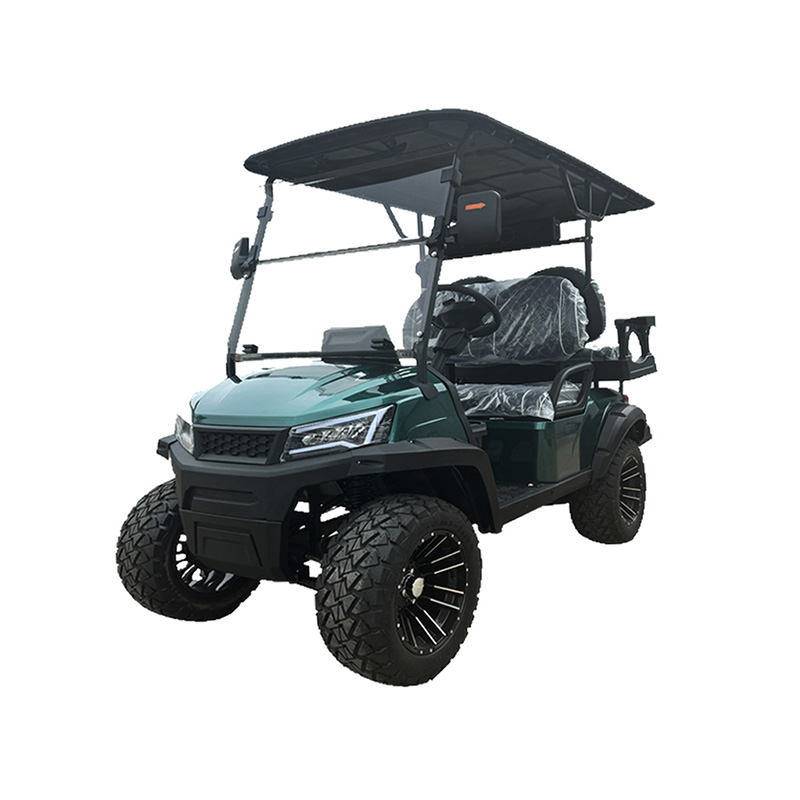
A 4 Seater Golf Cart Electric combines a compact passenger layout with electric drive, creating a vehicle suited to short‑distance movement where several people may need to travel together. Four seats also leave the vehicle smaller than layouts intended for larger groups, which can matter around building entrances, internal roads and turning areas.
Resort transport has its own operating pattern. Trips tend to be repeated, destinations can change throughout a working day, and passenger needs may vary from one journey to another. A vehicle used in such surroundings needs to balance seating, maneuverability, storage and charging arrangements rather than focusing on passenger capacity alone.
How Does a Four Seat Layout Fit Resort Transport
Four seats create a practical middle ground for small groups. Families traveling together can remain in one vehicle, while staff can move with colleagues between separate areas of a property. Passenger arrangement also affects how easily people enter and leave, particularly when stops occur close to hotel entrances or other busy areas.
A smaller passenger layout can make sense when regular journeys involve only a few people. Using a vehicle designed around a much larger group may add unnecessary size to routes where narrow lanes and compact parking areas are common.
Seat arrangement also needs to work with personal belongings. Guests may carry handbags, small cases or shopping bags, while staff may have tools or work materials. Passenger space should therefore be considered together with available storage rather than viewed as a separate feature.
Several practical points influence the choice:
- Passenger movement: Seats need to allow orderly boarding and exiting.
- Personal belongings: Small items should have a suitable place without blocking passenger areas.
- Route width: Vehicle dimensions need to match internal roads and access paths.
- Turning space: Corners near buildings may require careful route planning.
- Daily use: Repeated short journeys place attention on convenient operation and charging routines.
A four‑seat design does not suit every transport requirement. Larger groups may need a different arrangement, while individual trips may not require four passenger positions. Matching vehicle size with normal resort activity can reduce unnecessary movement and make internal transport easier to organize.
How Does Electric Drive Support Frequent Resort Trips
Electric drive fits naturally into short‑distance transport where vehicles repeatedly start, move, stop and start again. Resort routes often involve exactly that pattern. A cart may leave a reception area, stop near accommodation, return toward a service area and later travel along another internal road.
Low‑speed movement also makes the operating environment different from ordinary highway travel. Quiet operation can be useful around guest rooms, gardens, restaurants and other areas where unnecessary vehicle noise may disturb the surroundings.
Energy management becomes part of daily operation. Charging needs to fit around vehicle availability, since a cart that spends much of its working period connected to a charger cannot perform transport duties during that time. Resort operators therefore need a simple routine for checking charge levels and arranging charging around expected use.
Electric drive also changes routine maintenance considerations. There is no need to manage fuel storage or refueling in the same way as a combustion‑powered vehicle, while battery condition becomes an important part of regular care.
Daily operating habits can include:
- Checking the vehicle before use
- Keeping charging areas organized
- Monitoring battery condition
- Removing unnecessary loads
- Checking tires and brakes regularly
- Keeping passenger areas clear
Electric operation should not be treated as a solution for every route. Travel distance, road condition, passenger load and charging access all affect suitability.
What Road Conditions Should Be Considered
Resort roads can look simple while containing several different surface conditions. A main internal road may be paved, while a side path could have a rougher surface. Sloped entrances, raised transitions and drainage areas can create additional changes in height.
Wheel and tire design influence how a vehicle responds when moving across such surfaces. Ground clearance also matters where roads meet at different heights. A low section of the frame may approach a raised edge differently from a wheel, so vehicle structure needs to be considered as a whole.
Slopes require additional attention because passenger weight and carried items influence how the vehicle behaves while moving uphill or downhill. Braking becomes particularly relevant during descent, while controlled acceleration helps maintain a steady path when climbing.
Wet roads create another condition. Water can reduce tire grip, while leaves, mud or loose material may appear on outdoor routes. Resort transport planning can account for areas where such conditions occur regularly.
A 4 Seater Golf Cart Electric intended for outdoor resort movement therefore needs to match the actual road environment. Four wheels provide a broad support arrangement, while tires, suspension, ground clearance, steering and braking all contribute to handling.
Road assessment can remain simple: check surface condition, slope, route width, turning areas and places where different surfaces meet. Such checks can help determine whether a particular route fits the vehicle structure before regular passenger service begins.
How Can Resort Staff Use Four Seat Electric Carts
Resort transport is not limited to guest transfers. Staff members also need to move between buildings, service areas and outdoor facilities during ordinary work. A four‑seat layout can support several types of short‑distance movement without requiring a larger passenger vehicle.
Guest transfers are one common use. A family arriving with small bags may need transport from reception toward an accommodation area, while another group may travel from a room area toward a dining or leisure space. Having several seats in one vehicle can keep a small group together during a short trip.
Staff movement follows a different pattern. Housekeeping workers, maintenance staff and other employees may need to travel between separate areas several times during a working period. A seat can also provide space for light work materials when the vehicle design allows suitable storage.
Light item movement needs careful separation from passenger transport. Small supplies or personal belongings can be carried where an appropriate storage area is provided, while bulky loads may require a dedicated utility vehicle. Placing heavy or loose items in passenger areas can affect seating space and weight distribution.
Practical resort use can therefore include:
- Guest movement between nearby facilities
- Staff travel between buildings
- Carrying small personal belongings
- Moving light work supplies
- Short internal inspection routes
A 4 Seater Golf Cart Electric can serve several of those tasks within one property, although each use still needs to follow the vehicle's intended load and seating arrangement. Passenger transport and material handling should not be treated as identical tasks.
How Does Vehicle Size Affect Resort Routes
Vehicle dimensions have a direct relationship with the way a resort route is planned. Internal roads may pass close to buildings, landscaped areas, pedestrian paths or parked vehicles, leaving less room for turning than an open road.
A compact vehicle can make some internal routes easier to organize, while vehicle width and wheelbase still need consideration. A route that works for straight travel may require more space around a corner or near an entrance.
Turning areas deserve particular attention. A driver may need to change direction near a reception entrance, service lane or narrow pathway. Repeated three‑point turns can slow operations, so route design should account for the actual turning space available.
Parking also forms part of daily operation. A cart used for frequent guest transfers needs a convenient place to stop without blocking entrances or pedestrian movement. Charging locations need similar planning, especially when several vehicles share one operating area.
Resort layout can therefore influence vehicle selection as much as passenger needs. A route survey can consider:
- Width of internal roads
- Corner and turning space
- Parking positions
- Pedestrian areas
- Sloped sections
- Charging locations
- Places where vehicles and service equipment may meet
Such planning becomes useful where a property has a mixture of open roads and narrow access paths. A vehicle suitable for one part of a resort may need a different route through another section.
What Should Be Considered Before Resort Use
Selecting an electric cart for resort transport starts with daily movement patterns. Passenger needs, route conditions and operating schedules should be considered together rather than separately.
A few questions can help establish whether a four‑seat arrangement fits the intended task:
| Resort Transport Need | Main Design Consideration |
|---|---|
| Guest transfer | Seating and boarding space |
| Small luggage | Available storage area |
| Staff movement | Passenger and work space |
| Narrow routes | Vehicle width and turning space |
| Sloped roads | Braking and weight distribution |
| Frequent short trips | Charging routine |
| Outdoor movement | Tires, suspension and ground clearance |
Passenger boarding also deserves attention. A vehicle may stop several times during one route, so convenient entry and exit can influence how smoothly daily transport operates. Staff should have enough room to assist passengers without placing unnecessary items around seating areas.
Weather conditions can alter routine operation as well. Rain may make outdoor surfaces wet, while leaves or loose material can collect along less‑used paths. During such periods, speed control and route selection become more relevant.
Vehicle checks can remain straightforward. Before regular service, staff can inspect tire condition, braking response, steering movement, battery status and visible damage. Any unusual change in handling deserves attention before passenger service continues.
Charging arrangements should fit actual work patterns. A cart used throughout the day needs a planned period for charging, while a vehicle assigned to occasional trips may follow a different routine. Charging areas should also remain clear and accessible so staff can connect and disconnect vehicles without interfering with guest movement.
How Does Daily Operation Affect Transport Efficiency
Resort transport involves repeated small decisions rather than one long journey. A guest may need a ride at one time, while staff movement becomes more important later. Routes can also change according to room locations, facility schedules and temporary access restrictions.
Simple route planning can reduce unnecessary travel. Grouping nearby destinations into one trip may lower the number of empty journeys, while keeping commonly used vehicles near active areas can make response times easier to manage.
Passenger communication matters as well. Staff can confirm destination and available seating before departure, especially when luggage is involved. Clear loading habits help keep aisles and foot areas free from loose items.
Regular inspection can support consistent operation. Tires, brakes, steering parts, seats and storage areas all experience ordinary wear through repeated use. Early attention to visible changes can prevent minor issues from becoming operational interruptions.
A four‑seat electric cart works within a specific transport role. Its usefulness comes from matching the vehicle layout with resort routes, passenger needs and daily operating habits. Four seats can support small groups, while electric drive fits repeated short‑distance movement around a private property.
Road conditions remain part of the decision. Smooth pavement, slopes, wet surfaces and uneven transitions place different demands on tires, braking, steering and ground clearance. Vehicle size also affects access to narrow routes and turning areas.
For resort operators, a practical approach is to consider the complete journey rather than focusing on one feature. A 4 Seater Golf Cart Electric can support guest transfers and staff movement where the seating arrangement, route conditions, vehicle dimensions and charging routine fit the actual environment.
Such coordination keeps the transport role clear. Passenger capacity, storage, road access and daily maintenance can be reviewed together, allowing resort transport planning to remain closely connected with the physical layout and ordinary operating needs of the property.








- Building 1 and 2, No. 2269, Jingzhong Road, Hongjia Street, Taizhou, Zhejiang, China
- +86-18857621312
- [email protected]
