
 English
  русский
  عربى
عربى 
How to Adapt a Beginner Snowboard Set for Various Snow Conditions
2026-08-21
Snow conditions can change the way a snowboard behaves even when the equipment stays the same. Hard packed snow gives the board a firm surface to push against, while fresh snow allows the board to sink and move through a softer layer. Wet snow can feel slower because more resistance develops beneath the base, while uneven snow can make the board move differently from one section to another.
For beginners, changing conditions are often noticed through simple riding problems. A turn may start more quickly on hard snow, while soft snow may require more body movement before the board changes direction. Stopping can feel different as well, especially when the snow becomes wet or loose.
A Beginner Snowboard Set does not need a complete adjustment every time the surface changes. Small checks can often make a bigger practical difference. Binding position, boot fit, board condition, and riding stance are useful places to start.
| Snow Condition | What May Feel Different | Practical Focus |
|---|---|---|
| Hard Packed Snow | Faster edge response | Check edge and binding position |
| Fresh Snow | Board sinks more easily | Keep weight centered |
| Wet Snow | Slower board movement | Check base condition |
| Mixed Snow | Response changes during turns | Use smooth pressure changes |
Snow depth should be considered along with surface firmness. A thin layer of fresh snow over hard ground can behave very differently from deeper soft snow. For a new rider, reading the surface before changing equipment can prevent unnecessary adjustments.
Which Setup Features Matter on Firm Snow
Hard packed snow places more direct pressure on the board edge. A damaged or poorly maintained edge can make turning feel inconsistent, especially when the board needs to change direction on a firm surface. An edge inspection before riding can reveal obvious damage, rough areas, or excessive wear.
Binding position deserves a similar check. Binding angles and stance width affect how the legs connect with the board. A beginner generally benefits from a position that allows both feet to remain comfortable while the knees and hips can move naturally during turns.
Boot movement inside a binding can cause another problem. When a boot is not held securely, movement from the legs reaches the board with some delay. Tightening the binding does not always solve poor fit, since the boot itself needs to sit correctly inside the binding.
Before riding on firm snow, a useful check can include:
- Confirm that both bindings are firmly attached
- Check the boots for unnecessary movement inside the bindings
- Look along the board edges for visible damage
- Remove ice or packed snow from binding areas
- Make sure the stance still feels natural
Hard snow also makes balance errors easier to notice. A beginner who leans too far backward may have difficulty controlling the board, while excessive forward pressure can make the front edge feel difficult to manage. A centered stance provides a useful starting point before making equipment changes.
How Can a Beginner Setup Work in Fresh Snow
Fresh snow changes how much of the board remains supported by the surface. Softer snow can allow the board to sink, especially when weight is concentrated over a small area. More weight on one end may cause that section to sink further, making turning harder.
Keeping the body centered can help distribute pressure along the board. Rather than forcing the rear of the board down throughout the turn, a smoother weight shift allows the board to move through soft snow without creating unnecessary resistance.
Board width can matter in deeper snow. A wider board generally provides more surface area for support, while a narrower board may sink more readily under the same conditions. A beginner setup designed for ordinary piste riding may still work in light fresh snow, although deeper conditions can require equipment with characteristics intended for greater float.
Stance position can be adjusted within the limits recommended for the board. Moving bindings toward the rear may change how the nose and tail behave, yet large changes can make familiar turning movements feel unfamiliar. Small adjustments are easier to assess than dramatic changes.
Riding technique matters as much as equipment. Soft snow rewards steady movements rather than sudden pressure. Knees should remain flexible so the legs can absorb changes in depth, and turns should begin with controlled movement rather than forceful twisting.
One practical habit is to test the board gradually after entering fresh snow. A short section can reveal whether the nose tends to sink, whether turning feels sluggish, or whether the rider is placing too much weight on one end. Such feedback is more useful than changing several setup points at once.
What Changes When Snow Becomes Wet or Heavy
Wet snow can feel noticeably different from dry powder or packed snow. Moisture makes the snow heavier, and the board may lose some of its natural glide. Turning can require more effort, especially when the base has accumulated dirt, residue, or moisture.
Base condition becomes worth checking before riding. A clean base with suitable care can help maintain more consistent movement, while surface contamination may add resistance. Wax selection can depend on the snow and temperature conditions, so using one general treatment for every type of snow may not give the same riding feel.
Body position needs attention too. When the board slows, pushing harder with the rear leg can feel natural, yet excessive pressure may reduce balance. A relaxed stance with steady movement usually gives better control than repeated forceful corrections.
Wet snow can cling to boots and bindings as well. Packed snow around a binding connection may interfere with normal operation, so clearing visible accumulation before riding is a useful routine.
For beginners, the key adjustment is often not a major hardware change. Checking the board base, keeping the boots and bindings clear, and adapting turning pressure to the slower surface can make the existing setup easier to manage.
How Should a Beginner Setup Handle Mixed Snow Conditions
Mixed snow can make a familiar board feel inconsistent. A run may begin on firm packed snow, move into loose snow near the edge of a trail, then return to a harder surface. Each change affects how much pressure the board needs during a turn.
For a beginner, changing equipment repeatedly is rarely practical. A familiar stance can make the transition easier because body movements remain predictable. Keeping the knees relaxed helps absorb small changes in snow depth, while sudden movements can make the board react more sharply than expected.
A useful approach is to adjust riding pressure rather than forcing the board into one response. Firm snow may call for more careful edge control. Softer sections usually benefit from smoother weight distribution. Wet snow may require a little more patience during turns because the board can feel slower.
Before entering mixed terrain, a short equipment check can prevent avoidable problems:
- Clear packed snow from the bindings and boots.
- Check that both bindings remain firmly attached.
- Look for visible damage along the board edges.
- Confirm that boots remain secure without excessive movement.
- Make sure the stance has not shifted during previous riding.
A board that behaves differently from one section to another is not necessarily unsuitable. Surface changes naturally alter pressure and resistance. Recognizing the change early allows the rider to adjust movement before balance becomes difficult.
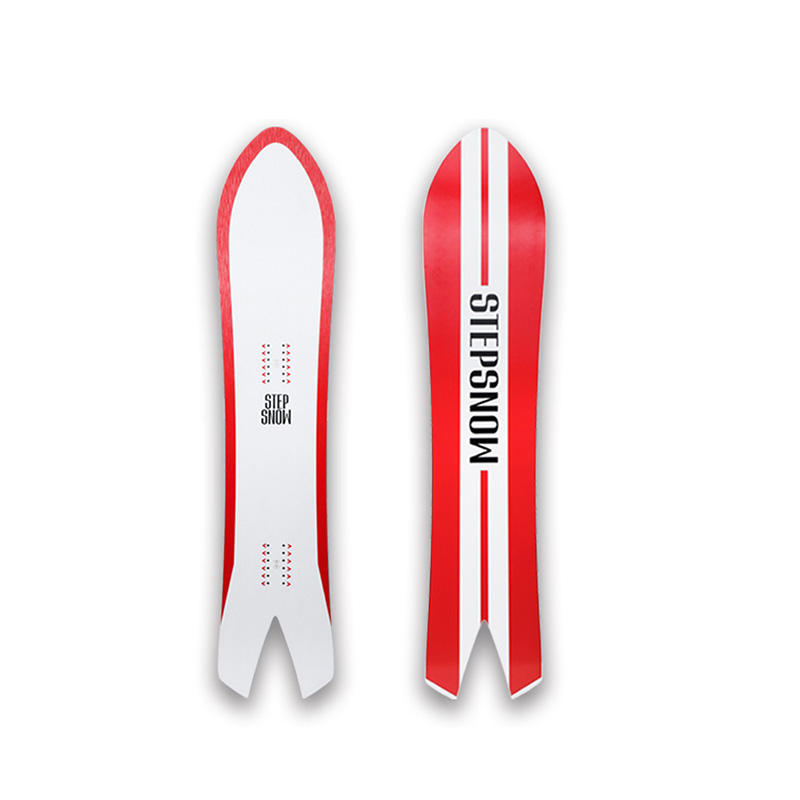
How Do Bindings and Boots Affect Adaptation
Bindings form the connection between the rider and board, so their position can influence how easily a beginner responds to changing snow. Stance width affects balance, while binding angle changes the direction in which the feet naturally point.
A very wide stance can make certain movements feel restricted, while a narrow stance may provide less familiar support for some riders. Comfort provides a practical reference point. Any adjustment should leave enough freedom for the knees and hips to move during turns.
Boot fit deserves equal attention. Loose boots can allow unnecessary movement inside the binding, making the board respond later than expected. Excessive pressure from an overly tight fit can create discomfort and make longer riding sessions harder to manage.
Checking the connection between boot and binding before each session is simple:
- Place each boot fully into its binding.
- Confirm that the fastening mechanism closes correctly.
- Move the boot gently to check for unusual looseness.
- Clear snow from contact areas.
- Recheck the binding after riding on rough or uneven snow.
Small changes in binding position should be tested on a familiar section rather than introduced immediately before difficult terrain. A rider needs time to notice how the altered stance affects turning and balance.
How Can Basic Maintenance Support Different Snow Conditions
Equipment condition can influence riding feel as much as snow itself. A board base covered with dirt or residue may move differently from a clean surface. An edge with damage can become harder to control on firm snow, while accumulated moisture can affect storage after riding.
Cleaning should begin after leaving the snow. Loose snow can be removed from the board, bindings, and boots before equipment is stored. Drying helps prevent moisture from remaining around metal parts and connection areas.
Base care depends on the snow conditions and the type of board construction. A suitable wax treatment can reduce unwanted resistance, although treatment should match the riding environment rather than being applied without consideration of surface conditions.
Edge care is particularly relevant when firm snow is expected. Visible damage or rough sections should be checked before riding. Aggressive home repair can change the edge shape, so equipment requiring significant correction may need attention from a qualified service provider.
Storage also matters. A damp board placed away without drying can develop problems around metal components and edges. Keeping equipment dry and protected helps preserve its condition between riding sessions.
When Should a Beginner Consider Different Equipment
Minor setup changes have limits. When riding conditions become substantially different from the environment for which a board was designed, changing the equipment may make more sense than repeatedly modifying the stance.
A board intended mainly for firm groomed surfaces may feel less comfortable in deeper loose snow because its shape and surface area provide a different type of support. Conversely, equipment designed around softer snow may feel unfamiliar on hard packed terrain.
Boots and bindings can create similar differences. A binding arrangement suited to one riding style may not feel natural after a large change in stance requirements. Compatibility between board, bindings, and boots should therefore be checked before replacing individual parts.
A skis supplier may carry equipment for both skiing and snowboarding, although the two categories use different equipment systems. Product selection should remain based on the intended activity and snow conditions rather than treating all winter sports equipment as interchangeable.
How Can Riders Prepare a Setup Before Changing Conditions
Preparation does not need to involve complicated adjustments. Checking the weather and snow surface before riding gives a clearer idea of what the board may encounter. Equipment can then be inspected according to those conditions.
A practical preparation routine can include:
- Inspect the board surface and edges.
- Remove snow from bindings and boots.
- Check boot fit and binding fastening.
- Confirm that stance settings remain unchanged.
- Consider whether the snow is firm, loose, wet, or mixed.
- Make only a small adjustment when a clear handling issue appears.
Riding feedback should guide later changes. When a board feels slow in wet snow, base condition can be checked before changing stance. When firm snow produces unstable edge control, the edge and binding setup deserve inspection. When fresh snow causes excessive sinking, body position and board characteristics can be considered together.
A Beginner Snowboard Set can therefore be adapted through a combination of equipment checks, modest setup changes, and riding adjustments. Snow conditions remain part of the equation, so no single configuration will feel identical across every surface. A familiar setup, careful preparation, and gradual changes provide a practical way to handle those differences without creating unnecessary complexity.







- Building 1 and 2, No. 2269, Jingzhong Road, Hongjia Street, Taizhou, Zhejiang, China
- +86-18857621312
- [email protected]
