
 English
  русский
  عربى
عربى 
How to Store a Womens Snowboard All Mountain During the Off Season
2026-09-04
Once the snowboarding season ends, a snowboard often gets placed in a bag and moved into a storage room. A few months later, it may be taken out again without much thought about what happened during storage. Moisture, dirt, sunlight, heat, and pressure can gradually affect the condition of the board during that quiet period.
A Womens Snowboard All Mountain may be used across different snow conditions and riding areas, so keeping its surface and base in a clean condition can make later preparation easier. Storage care does not need to become a complicated routine. Most of the work comes down to cleaning the board, drying every part, checking for visible problems, and giving it a suitable place to rest.
Problems are often easier to notice at the end of a riding season. Scratches, loose hardware, worn straps, or small areas of rust can be seen while the equipment is still familiar. Leaving everything untouched until the next snow season may make a small issue harder to deal with later.
A simple storage routine can begin with three questions:
- Is every part of the board dry?
- Is there any visible damage that needs attention?
- Can the equipment remain in a dry place without pressure or direct sunlight?
Taking care of those points creates a better starting condition for long-term storage.
Why Should a Womens Snowboard All Mountain Be Cleaned Before Storage
Snow, dirt, salt, and moisture can collect around the base, edges, upper surface, and binding areas during regular use. Even when a board looks clean from a distance, small amounts of residue may remain around screws, edges, or less visible areas.
Cleaning should start after the board has been removed from its bag. A soft cloth can be used to wipe away loose dirt, while areas around the bindings may need a little more attention. Water should not be left sitting on the board after cleaning.
Drying deserves as much attention as cleaning. Closing a damp snowboard inside a bag creates a closed environment where moisture can remain for a long time. Metal edges and mounting areas can become vulnerable to rust, while damp fabric equipment may develop an unpleasant smell.
Allowing the board and related equipment to dry fully before packing them away is a simple step that can prevent several storage problems.
A useful cleaning order is:
- Remove loose dirt from the upper surface.
- Wipe the base and edges carefully.
- Clean around mounting areas.
- Check for remaining moisture.
- Leave the board in a dry, open area until fully dry.
Harsh cleaning products are not necessary for ordinary surface dirt. Care should follow the instructions supplied with the equipment, especially when different materials are joined together.
What Should Be Checked Before Long Term Storage
Cleaning provides a good opportunity to inspect the board. A quick visual check can reveal scratches, damaged edges, cracks, loose parts, or changes around the mounting areas.
Pay particular attention to places that receive regular contact with snow, hard surfaces, or equipment. Small damage does not always prevent immediate use, although leaving an issue untreated during storage may create an unpleasant surprise when the board is taken out again.
Binding hardware also deserves a look. Screws should be kept together after removal, while straps and other movable parts can be checked for wear or damage.
For a Womens Snowboard All Mountain, a simple inspection can include:
- Base surface
- Metal edges
- Upper surface
- Binding mounting points
- Binding straps
- Screws and small hardware
Removing the bindings can make cleaning easier and allows both the board and bindings to be checked separately. Many storage guides recommend separating bindings from the board during long-term storage, although the exact approach should follow the equipment maker's instructions.
Small screws should be placed in a labelled bag or container so they do not become mixed with unrelated hardware. Keeping parts together may save time when the equipment is prepared for use again.
How Can Wax Help Protect the Snowboard During Storage
A clean and completely dry base can be protected with a layer of storage wax before the board is put away. Wax acts as a barrier between the base and surrounding air, while also helping protect exposed edges during a long period without use.
Storage wax is generally left on the base rather than scraped away immediately. When the board returns to regular use, the old layer can be removed during normal preparation.
Waxing should be done with care. A suitable work surface keeps the board stable, while the wax needs to spread evenly across the base. Anyone unfamiliar with waxing equipment may prefer to have the work handled by a qualified service provider rather than attempting a process without suitable tools.
The purpose of storage waxing is simple: create a protective layer while the snowboard is sitting unused. It is not intended to replace cleaning or repair work.
| Storage Step | Main Purpose | What to Check |
|---|---|---|
| Cleaning | Remove dirt and residue | Base, edges, upper surface |
| Drying | Keep moisture away | Edges and mounting areas |
| Inspection | Notice visible problems | Scratches, cracks, loose parts |
| Binding removal | Separate board and hardware | Screws and straps |
| Storage waxing | Add protection during storage | Even coverage on the base |
Once cleaning, drying, inspection, and waxing are complete, attention can move to the storage environment. A suitable location should protect the board from moisture, direct sunlight, unnecessary heat, and pressure from other stored items.
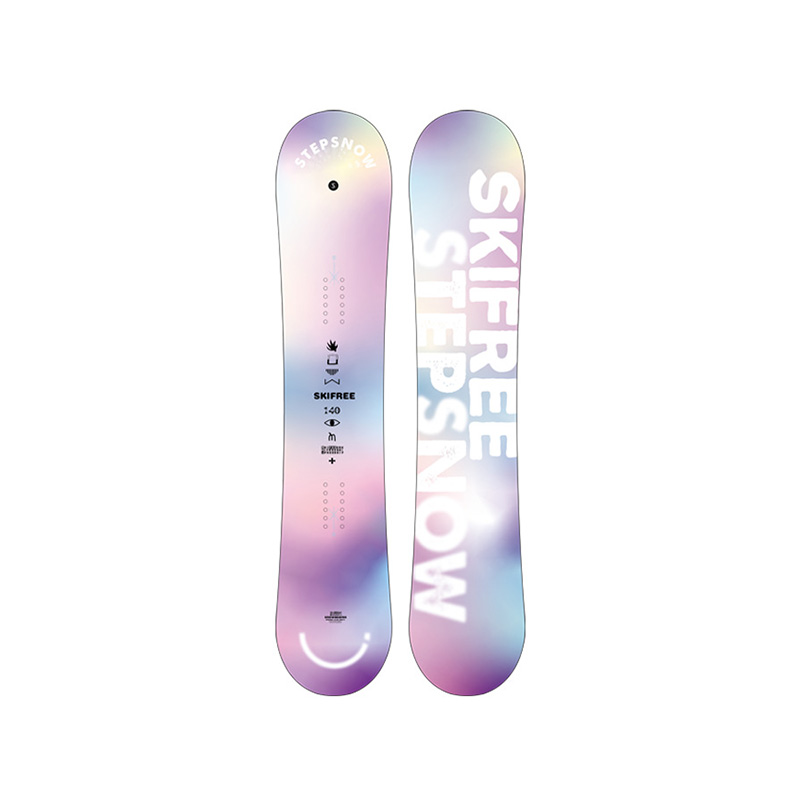
Where Should a Womens Snowboard All Mountain Be Stored
Once a snowboard has been cleaned, dried, checked, and prepared with storage wax, attention can turn to its surroundings. A storage room can affect equipment condition even when the board itself has been prepared carefully. Moisture, heat, sunlight, and pressure from nearby objects are common concerns during a long period of inactivity.
A dry indoor space with little direct sunlight is generally suitable. A closet, spare room, or other protected area can work well when the surroundings remain reasonably dry and free from heat sources. Damp corners, poorly ventilated spaces, and areas exposed to strong sunlight are less suitable for long-term storage.
Garages, basements, and attic spaces need extra attention because conditions can change with the weather. A place that feels dry on one day may become damp later. Heat can also build up in enclosed areas, while moisture may remain close to floors or walls.
Keeping a snowboard away from direct sunlight is also worth considering. Long exposure to sunlight can affect surface materials and may cause unnecessary heat around the board.
A storage bag can help keep dust away, although equipment should not be packed while damp. Allowing the board to dry before placing it inside a protective bag reduces the chance of moisture remaining trapped around the edges or mounting areas.
How Should the Snowboard Be Positioned During Storage
Position matters because a snowboard should not have heavy objects pressing against it for a long period. Storing a board horizontally can work when it has proper support and nothing is placed on top. Vertical storage can also be suitable when the board is kept stable and does not rest heavily on its nose or tail.
A shelf or storage rack can provide a convenient location, although the support should not put unnecessary pressure on the board. When several boards or pieces of Professional Ski Equipment share one storage area, keeping each item separated can reduce scratches and accidental impacts.
Avoid using a snowboard as a shelf. Boxes, tools, clothing, or other equipment should not be stacked on its surface. Long periods of pressure may affect its shape.
A simple storage arrangement can look like this:
- Board supported without heavy pressure
- Edges kept away from damp surfaces
- Bag placed loosely around dry equipment
- Heavy items stored separately
- Small hardware kept in a labelled container
- Storage area kept clear enough for easy inspection
A stable position also makes it easier to notice a problem later. When equipment is buried under other items, small signs of rust, moisture, or damage can remain unnoticed for a long time.
How Should Other Professional Ski Equipment Be Stored
A snowboard rarely stays alone during the off season. Bindings, boots, gloves, protective clothing, goggles, and other Professional Ski Equipment may all need to be stored at the same time. Treating every item as one group can make drying and cleaning harder.
Bindings can be cleaned after removal from the board and stored separately. Straps should not be forced into an awkward position, while screws and related hardware can stay together in a small labelled bag. Separating parts also makes it easier to inspect them without having to move the board around.
Boots need careful drying because moisture can remain inside the liner and around the footbed. Removing removable inner parts and allowing them to dry naturally can help prevent unpleasant odors and moisture-related problems. Once dry, boots should be stored in a way that does not crush or distort their shape.
Gloves, clothing, and other fabric items should also be completely dry before storage. Folding clean equipment loosely in a dry place is generally easier than sealing damp fabric inside a bag.
Goggles deserve separate attention as well. Keeping lenses away from rough surfaces can reduce scratches, while a soft protective pouch can keep dust away during storage.
Rather than placing every item into one crowded container, separating equipment by type can make later preparation much easier.
What Should Be Checked Before Winter Use
When a new riding season approaches, stored equipment should not go directly from the storage area to the snow. A short inspection gives the board and related equipment another chance to be checked after sitting unused.
For a Womens Snowboard All Mountain, begin by removing the storage wax from the base according to the care instructions for the board. Look along the edges for signs of rust or damage, then check the base for scratches or areas that may need attention.
Binding hardware should be checked before mounting. Screws, straps, buckles, and mounting points should appear secure and free from obvious damage. Any part that looks questionable deserves attention before riding rather than being ignored until later.
A simple inspection can follow this order:
Look for cracks, deep scratches, or unusual changes.
Check for rust, dents, or rough areas.
Make sure holes and surrounding surfaces appear intact.
Inspect straps, buckles, screws, and other visible parts.
Check for moisture, odors, damaged areas, or distorted materials.
Wax remaining on the base should be removed before normal use, with further board care carried out as needed. Any repair that requires special tools or detailed adjustment is better handled by a qualified service provider.
Storage also provides a useful moment to think about how the equipment was used during the previous season. A damaged strap, uncomfortable boot, loose screw, or worn part may have been easy to overlook during regular riding. Finding it while preparing the gear can make the next setup more organized.
Proper off-season care does not require a complicated process. A clean board, dry equipment, suitable storage area, protected base, and occasional visual checks can help keep a Womens Snowboard All Mountain in a usable condition while it remains out of service. Good storage habits also make it easier to organize Professional Ski Equipment, since each piece can be dried, checked, and stored according to its own needs.






- Building 1 and 2, No. 2269, Jingzhong Road, Hongjia Street, Taizhou, Zhejiang, China
- +86-18857621312
- [email protected]
