
 English
  русский
  عربى
عربى 
Why an off Road Farm Utv Reduces Fuel Costs Compared to Diesel Vehicles
2026-09-08
Farm work often involves repeated movement across a relatively limited area. Feed may need to be carried from one place to another, tools may be moved between work areas, and regular checks can require frequent trips along farm roads, grass paths, or uneven ground. Such tasks do not always require a large road vehicle.
Fuel use is closely connected with how a vehicle is used during daily work. A heavy vehicle carrying a large load over a long distance has different fuel needs from a compact work vehicle making short trips around a farm. For that reason, comparing vehicles only by engine type can give an incomplete picture of operating costs.
An Off Road Farm UTV can be suitable for many routine farm activities where moderate cargo capacity, easy movement, and repeated short‑distance travel are more important than highway performance. Matching vehicle size and working conditions can help avoid unnecessary fuel consumption.
Why Does Farm Vehicle Choice Affect Fuel Costs
Farm transport usually follows a different pattern from ordinary road travel. A vehicle may move a short distance, stop beside a field, return to a storage area, and make another trip later in the day. Regular work can involve many starts, turns, stops, and changes in direction.
Such movement places different demands on a vehicle compared with steady travel on a paved road. Vehicle weight, cargo load, terrain, and travel distance all influence how much energy is required for a task. A vehicle designed for heavier transport may have capabilities that are rarely needed during simple farm duties.
For routine jobs, using a vehicle that matches the actual workload can help control fuel use. Moving a few tools across a farm does not necessarily require the same type of vehicle used for hauling a heavy load over a long route.
Fuel costs therefore need to be considered alongside daily operating conditions. A suitable farm vehicle should provide enough carrying ability and power for regular work without creating unnecessary demand during lighter tasks.
How Does an Off Road Farm UTV Match Daily Farm Tasks
Many farm activities involve short‑distance transport rather than continuous road travel. Workers may need to carry hand tools, small amounts of feed, containers, equipment, or harvested materials between nearby locations. Inspection work can also involve moving repeatedly between fields, storage areas, and other parts of a property.
An Off Road Farm UTV fits such work because its purpose is centered around utility and movement across working areas. A compact layout can make it easier to travel along narrow farm paths or move around buildings and field edges.
Common uses may include:
- Carrying tools between work areas
- Moving small loads of feed or supplies
- Checking fences, fields, or storage areas
- Transporting materials over unpaved paths
- Making repeated short trips around a farm
Choosing a vehicle according to task size can reduce the need to operate a larger vehicle for simple jobs. Less unnecessary vehicle mass and less unused carrying capacity can contribute to more reasonable fuel use during everyday operation.
A farm vehicle also needs to fit the physical layout of the working area. Narrow paths, turning spaces, gates, slopes, and soft ground can all influence whether a particular vehicle is practical. Fuel efficiency is therefore connected not only with the vehicle itself, but also with how naturally it fits into daily farm routines.
Why Does Vehicle Weight Influence Fuel Consumption
Vehicle weight has a direct relationship with the energy needed for movement. A heavier vehicle requires more force to start moving and generally needs more energy during repeated acceleration. Farm work often involves frequent stopping and restarting, making vehicle weight particularly relevant.
Consider a simple inspection task. A vehicle may travel from one field to another, stop for a short check, turn around, and continue toward another work area. Repeated movement places a different demand on a heavy vehicle than on a smaller utility vehicle.
Carrying capacity still matters, especially when farm work involves materials or equipment. Excessive vehicle size, however, may create unused capacity during lighter jobs. Selecting a vehicle that provides reasonable space for common loads can create a better balance between working ability and fuel use.
| Farm Task | Typical Transport Need | Vehicle Consideration |
|---|---|---|
| Field inspection | Light equipment and tools | Compact size and easy movement |
| Tool transport | Small to moderate load | Practical cargo space |
| Feed movement | Variable load | Suitable carrying capacity |
| Material transport | Moderate or heavier load | Adequate power and stability |
| Routine farm travel | Frequent short trips | Reasonable vehicle weight |
Weight should therefore be viewed together with workload. A vehicle that is too small may require repeated trips, while an unnecessarily large vehicle may consume more fuel during tasks that do not require its full capacity.
How Does Load Size Change Fuel Use on a Farm
Cargo weight changes how a vehicle behaves during operation. Carrying additional material requires more energy during movement, especially when routes include slopes, soft ground, or frequent stops. Farm loads also tend to change from one task to another, unlike some forms of commercial transport where cargo conditions remain relatively consistent.
One trip may involve a light load of hand tools, while another may carry feed, containers, or farm materials. Treating every task as though it requires the same carrying capacity can result in inefficient vehicle use.
A practical approach is to consider the normal range of loads handled during daily work. Cargo space should be large enough for regular tasks without making the vehicle unnecessarily bulky. Load distribution also matters because poorly arranged cargo can affect handling and increase the effort required to move across uneven surfaces.
Fuel management therefore starts before a vehicle begins moving. Deciding what needs to be carried, how much space is required, and whether one trip can handle the task can all influence actual fuel consumption.
How Does Short Distance Farm Travel Affect Fuel Costs
Short‑distance travel may appear insignificant when each trip is considered separately. Farm work, however, can involve many such journeys throughout a working day. A vehicle might move only a short distance each time while spending considerable time starting, stopping, turning, and changing routes.
Large diesel vehicles can be useful when heavy loads or longer transport routes are involved. For smaller internal farm duties, their size and weight may not always match the work being performed. Fuel use can rise when a vehicle repeatedly moves more mass than the task requires.
A compact farm utility vehicle can suit situations where travel remains within a working property. Easy maneuvering allows routes to stay direct, while a suitable cargo area can handle routine materials without requiring a larger transport vehicle.
Short‑distance travel also makes route planning important. Combining nearby tasks into one trip can reduce repeated movement, regardless of vehicle type. A vehicle with a suitable size and practical layout can make such daily work easier to organize.
Fuel costs are therefore shaped by the pattern of movement as much as by the fuel itself. For farms where daily transport consists largely of short internal trips, matching vehicle capacity, weight, and route conditions can play an important role in reducing unnecessary fuel use.
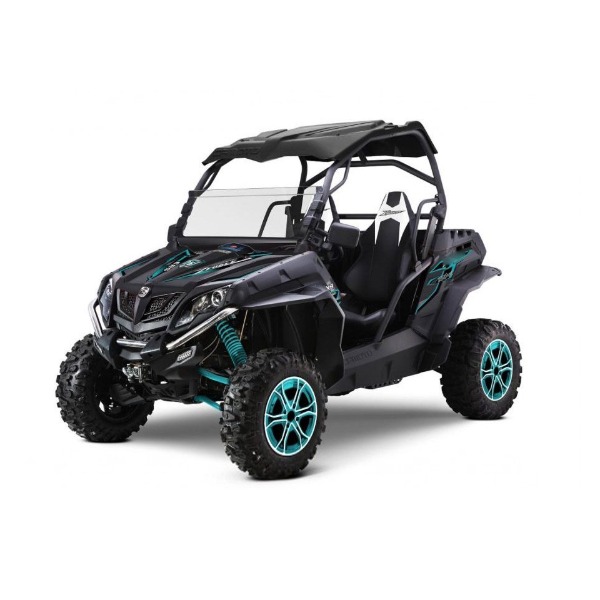
Why Can Smaller Farm Vehicles Reduce Unnecessary Fuel Use
Farm work rarely involves one type of transport task throughout the day. A morning job may require tools and supplies, while another task later may involve checking a field or carrying a small amount of material. Different loads place different demands on a vehicle.
A large diesel vehicle has value when substantial cargo, long‑distance transport, or demanding work is involved. Routine farm movement often has a different requirement. Carrying a small load across a field does not require the same capacity as moving a heavy batch of materials between distant locations.
Smaller utility vehicles can help match vehicle size with everyday duties. Less vehicle mass means less energy is needed simply to move the vehicle itself. A compact layout can also make short routes easier to manage, especially around buildings, storage areas, fences, and narrow paths.
Fuel use can be affected by several simple choices:
- Vehicle size should match regular cargo needs.
- Cargo capacity should reflect normal working loads.
- Repeated trips should be considered during vehicle selection.
- Larger vehicles can be reserved for tasks that genuinely require greater capacity.
Using an appropriately sized farm vehicle does not mean replacing every larger vehicle. Different machines have different roles on a working property. Fuel management becomes more practical when each vehicle is assigned to tasks that fit its size and operating characteristics.
For many routine duties, an Off Road Farm UTV can provide a balance between carrying ability and maneuverability. Such a balance can reduce the need to operate a heavier diesel vehicle for light transport work.
What Role Does Driving Terrain Play in Fuel Consumption
Farm roads are rarely uniform. A route may include grass, loose soil, gravel, mud, slopes, or compacted ground, sometimes within the same working area. Surface conditions affect how easily a vehicle moves and how much power is needed.
Soft ground can increase resistance because wheels need to move through or across loose material. Slopes create another demand because a vehicle must work against gravity during uphill travel. Uneven surfaces may also require slower movement and more frequent changes in direction.
Terrain‑related fuel use is therefore difficult to judge from vehicle type alone. A vehicle traveling on a firm path may use less energy than the same vehicle working through soft ground with a heavy load.
Vehicle setup also has an effect. Tire condition, cargo distribution, ground clearance, and overall vehicle weight all influence how a farm vehicle behaves across difficult surfaces. A suitable configuration can help avoid unnecessary strain during regular work.
| Working Condition | Main Challenge | Useful Vehicle Characteristic |
|---|---|---|
| Firm farm road | Regular short‑distance travel | Easy handling |
| Grass path | Variable surface resistance | Suitable ground clearance |
| Gravel route | Loose surface | Stable movement |
| Muddy area | Increased rolling resistance | Appropriate traction |
| Sloped path | Greater power demand | Suitable load and power balance |
Terrain should therefore be included when comparing fuel costs. A vehicle that performs well in one working environment may have different fuel requirements under another set of conditions.
How Does Maintenance Influence Farm Vehicle Fuel Costs
Fuel consumption can change as a vehicle condition changes. A machine that operates with worn or poorly maintained parts may require more effort during movement. Routine maintenance helps keep mechanical components within a suitable working condition and can prevent small problems from developing into larger operating issues.
Tires deserve regular attention because pressure and wear influence rolling resistance. An underinflated tire can increase the effort required for movement, especially across firm surfaces. Uneven wear may also affect handling on rough farm roads.
Engine‑related maintenance matters as well. Air intake components, filters, fluids, and other working parts need suitable care according to the vehicle design. A restricted air path or poorly maintained engine can affect how efficiently fuel is converted into movement.
Transmission and drive components also deserve inspection, particularly where vehicles frequently operate on uneven ground. Unusual noise, vibration, or changes in normal movement can indicate a condition that needs attention.
A basic maintenance routine can include:
- Checking tire condition and pressure
- Inspecting fluid levels
- Keeping air intake areas clean
- Checking visible drive components
- Looking for unusual vibration or noise
- Removing accumulated dirt from working areas
Maintenance does not turn an unsuitable vehicle into a suitable one. Its role is different: keeping a properly selected vehicle in a condition that supports normal operation. Fuel costs should therefore be viewed alongside maintenance requirements rather than treated as a fuel‑only issue.
What Should Farmers Consider Before Choosing a Farm Vehicle
Vehicle selection becomes clearer when daily work is considered as a complete pattern. A vehicle may appear suitable because of its carrying space or power, yet practical fuel use depends on how often those capabilities are actually needed.
Daily travel distance provides one useful reference. Farms with frequent short internal trips have different requirements from operations involving long transport routes. Common cargo weight matters as well, since regular light loads do not create the same demand as repeated heavy hauling.
Road and terrain conditions should also be considered. A vehicle used mainly on firm farm roads may have different requirements from one that regularly crosses grass, gravel, mud, and slopes.
Several factors can be reviewed together:
- Average travel pattern
- Common cargo weight
- Available cargo space
- Farm road conditions
- Frequency of daily trips
- Required power
- Routine maintenance needs
- Fuel type
- Expected working environment
Vehicle size alone should not determine the decision. Engine type alone is also not enough to predict operating cost. A smaller vehicle can become inefficient when repeated trips are needed for loads that exceed its practical capacity, while a large diesel vehicle may consume unnecessary fuel during light internal transport.
A sensible selection process matches the vehicle with actual work rather than choosing according to capacity that may rarely be used.
Why Should Fuel Cost Be Viewed Through Actual Farm Use
A simple comparison between diesel vehicles and other farm vehicles can miss important details. Fuel consumption depends on load, distance, terrain, vehicle weight, maintenance condition, and driving pattern. Each factor changes the amount of energy required for a particular task.
For example, a large diesel vehicle may make sense for heavy transport over a longer route. Running the same vehicle repeatedly between nearby farm buildings for small loads creates a different cost pattern. Much of its capacity may remain unused while vehicle weight still has to be moved.
An Off Road Farm UTV can be more suitable for light or moderate farm duties where short‑distance movement is common. Its value in fuel management comes from matching the vehicle with the work rather than from fuel type alone.
Actual farm use can be viewed through several connected questions:
- How far does a typical task require travel?
- How much cargo is normally carried?
- What kind of surface does the route include?
- How often does the vehicle stop and restart?
- Is the vehicle carrying more capacity than the task requires?
- Does regular maintenance support normal operation?
Such questions create a more realistic picture of operating costs. A fuel‑saving decision should reflect the complete working pattern rather than rely on a simple comparison between vehicle categories.
Farm transport works most efficiently when vehicle capability follows practical demand. Short routes, light cargo, frequent movement, and uneven working areas can create a different operating pattern from heavy road transport. Matching vehicle weight, cargo capacity, terrain suitability, and maintenance needs can therefore help control unnecessary fuel use during routine farm work.








- Building 1 and 2, No. 2269, Jingzhong Road, Hongjia Street, Taizhou, Zhejiang, China
- +86-18857621312
- [email protected]
