
 English
  русский
  عربى
عربى 
How to Clean an Electric Farm ATV After Working in Dusty Conditions
2026-09-01
Farm work can leave a vehicle covered with a mix of dry dust, loose soil, grass, and small pieces of plant material. Much of the dirt stays on visible panels, while some settles around the frame, wheels, controls, and lower parts of the vehicle. Repeated exposure can make later inspection harder, especially when dirt collects around joints or narrow spaces.
Cleaning an Electric Farm ATV needs a little more care around electrical areas than around ordinary exterior surfaces. Water and cleaning methods that work well on tires or metal frames may not be suitable near cables, connectors, controls, or battery-related parts.
A useful cleaning routine starts with removing loose dirt, followed by more careful work around sensitive areas. Once washing is finished, drying and inspection should not be skipped. A clean vehicle is easier to examine, making it simpler to notice loose parts, damaged surfaces, trapped mud, or other changes caused by farm work.
Why Does Dust Need Attention After Farm Work
Dust may look harmless when it sits as a thin layer over a body panel. Farm soil can contain small particles that settle into corners, gaps, and moving areas, especially after driving across dry fields or unpaved paths.
Mud creates another situation. Wet soil can collect around the underside and wheels, then become harder and heavier after drying. Grass and plant material may become trapped around moving parts as well.
Some areas deserve regular attention:
- Frame joints and narrow gaps
- Wheel and tire areas
- Lower body sections
- Footrest areas
- Control surfaces
- Accessible cable areas
- Underside sections
Accumulated dirt can hide the condition of a component. A loose fastener, damaged cable covering, or small crack may be difficult to notice beneath a layer of dust.
Cleaning also helps separate ordinary farm dirt from signs that deserve further inspection. Once a surface is clean, scratches, moisture, corrosion, or physical damage become easier to see.
Timing matters as well. Removing loose soil after work is generally easier than allowing several layers to build up over repeated use. A short cleaning routine can therefore become part of normal farm vehicle care.
What Should Be Done Before Cleaning the Vehicle
Preparation makes cleaning safer and more controlled. Start by parking on a stable surface away from active farm traffic, then switch off the vehicle and follow the cleaning instructions supplied for the particular model.
Loose dirt should be removed before water is used. A soft brush or dry cloth can lift dust from accessible areas without turning dry particles into muddy residue.
Before cleaning, take a quick look around the vehicle. Visible damage should not be covered with water before its condition has been noted.
A simple pre-cleaning check can include:
- Look for damaged cables or exposed coverings.
- Check for loose components.
- Remove grass or plant material by hand where appropriate.
- Inspect the underside for packed soil.
- Make sure sensitive electrical areas are identified.
- Prepare separate tools for dirty and delicate sections.
Cleaning tools also matter. A stiff brush may work well on tires, while a softer brush is more suitable for painted or finished surfaces. Cloths can be useful around controls and other areas where direct water exposure should be limited.
Strong water pressure should not be treated as a universal cleaning solution. A powerful stream can move dirt into gaps or force moisture toward areas that are better kept dry.
How Should Dust Be Removed From the Exterior and Frame
Start with the upper and more accessible surfaces, then work toward areas where soil has collected. Removing loose dust before washing reduces the amount of abrasive material rubbing against exterior surfaces.
Body panels can be wiped with a damp cloth or cleaned using a suitable low-pressure method according to the vehicle instructions. Excessive force is unnecessary for ordinary dust and may leave marks on certain finishes.
Frame sections need closer attention after dusty work. Soil often settles around joints, mounting areas, and lower sections where airflow is limited. A soft brush can help loosen dry material from narrow spaces.
For heavier soil, gentle rinsing may be appropriate around approved exterior areas. Water should be directed away from electrical connections, controls, openings, and other sensitive parts.
A practical cleaning order is:
Loose dust → body panels → frame → underside → wheels
Working in a consistent order reduces the chance of leaving dirty areas behind. It also makes the routine easier to repeat after similar farm tasks.
Underside cleaning deserves some care. Soil can collect near the lower frame and suspension-related areas, while grass may remain caught after passing through fields. Removing buildup can make later inspection easier.
How Can Electrical Areas Be Cleaned Safely
Electrical sections need a different approach from tires and exterior panels. Water should not be directed toward connectors, controls, cable junctions, or battery-related components unless the vehicle instructions specifically allow that cleaning method.
Visible dust around electrical areas can often be removed with a dry or lightly damp cloth, depending on the manufacturer's instructions. A soft brush may help lift loose particles from accessible surfaces.
Avoid pushing dirt deeper into gaps. Rubbing too aggressively around cables can also damage protective coverings, especially when a surface has already been worn through farm use.
| Area | What to Check |
|---|---|
| Cables | Cuts, exposed sections, or unusual wear |
| Connectors | Dirt, looseness, or visible moisture |
| Controls | Clean surface and normal movement |
| Battery area | Dirt buildup or signs of moisture |
| Cable routes | Pinching or physical damage |
Moisture deserves particular attention after cleaning. Sensitive areas should be allowed to dry according to the applicable instructions before normal operation resumes.
A clean electrical area should not be confused with a wet electrical area. Removing dust is useful, while unnecessary moisture around electrical connections can create another maintenance concern.
For an Electric Farm ATV, cleaning methods should therefore change according to the part being handled. Exterior panels, tires, frame sections, and electrical components do not all need the same treatment. Recognizing that difference keeps a simple cleaning task from creating avoidable problems.
How Should Wheels Tires and Moving Parts Be Cleaned
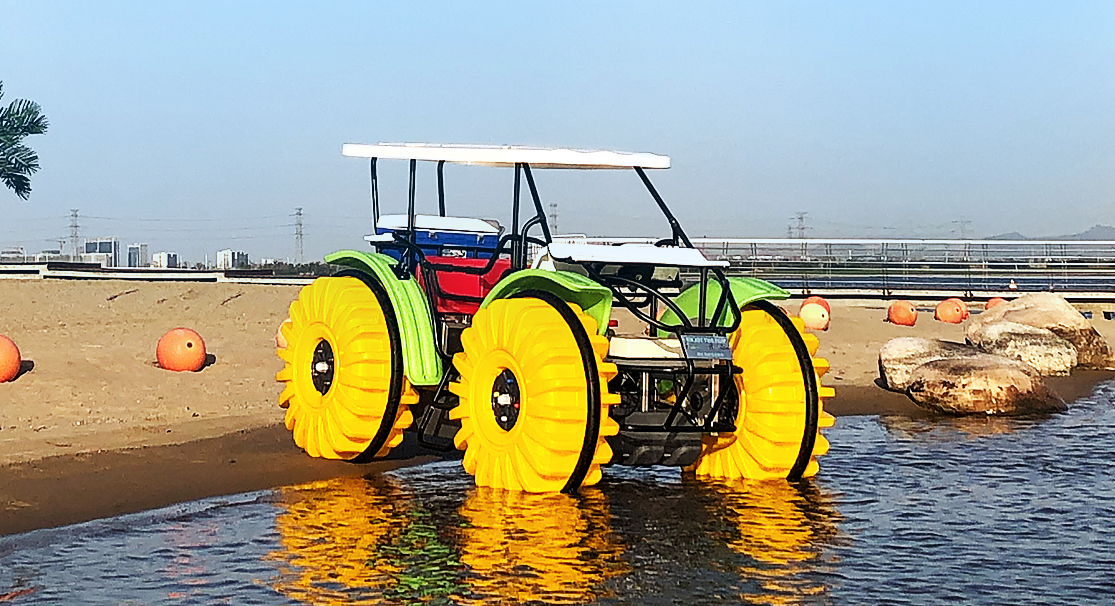
Wheels and tires often collect more dirt than upper body surfaces because they stay close to loose soil, grass, and mud during farm work. Packed material can remain around the tread, wheel area, and nearby frame sections, making inspection harder after repeated use.
Start by removing loose soil from the tire surface with a suitable brush. A softer brush can be used around painted or finished areas, while a firmer tool may be appropriate for heavy dirt on parts designed to handle rough contact.
Grass and plant material deserve attention as well. Long pieces can wrap around moving sections or remain trapped behind the wheel. Removing such material by hand or with an appropriate cleaning tool can make later inspection easier.
Water should be used carefully around moving and sensitive components. A strong stream may push dirt farther into narrow gaps instead of removing it. Gentle cleaning gives better control, especially around areas where seals, joints, or electrical parts are nearby.
After cleaning, rotate or inspect accessible wheel areas according to the vehicle instructions. Look for:
- Packed soil inside narrow spaces
- Grass caught around moving sections
- Damaged tire surfaces
- Loose visible parts
- Unusual wear around wheel components
Cleaning can reveal problems that were hidden under dirt. A small cut in a tire, a damaged covering, or an unusual mark may become visible once soil has been removed.
What Should Be Checked After Cleaning
Cleaning should finish with a visual inspection rather than ending as soon as the dirt is gone. Water, loose particles, and cleaning residue may remain in places that are difficult to see from a standing position.
Allow suitable parts to dry before returning the vehicle to normal work. Electrical areas deserve particular care, since moisture around sensitive connections may need additional drying time according to the vehicle instructions.
A quick inspection can follow a simple path from front to rear, covering exterior panels, controls, cables, wheels, frame sections, and accessible underside areas.
| Inspection Area | Useful Check |
|---|---|
| Body panels | Dirt, scratches, or new surface damage |
| Frame | Mud buildup or loose visible parts |
| Cables | Damaged coverings or unusual wear |
| Connectors | Visible moisture or dirt |
| Tires | Cuts, packed soil, or unusual wear |
| Wheels | Grass, mud, or trapped material |
| Controls | Clean surface and normal movement |
Controls should be checked according to the operating instructions before work begins again. Any unusual response, sound, movement, or visible damage deserves attention rather than being ignored simply because the vehicle has been cleaned.
A clean surface also makes small changes easier to notice. Regular inspection can therefore become part of cleaning rather than a separate task performed only when a problem appears.
How Can Regular Cleaning Reduce Maintenance Problems
Dusty farm conditions rarely affect a vehicle only once. Repeated trips across fields, dirt roads, storage areas, or dry working grounds can create layers of soil that gradually become harder to remove.
Regular cleaning keeps buildup from becoming a larger obstacle during inspection. A technician or operator can see cables, frame sections, wheel areas, and other accessible components more clearly when loose material is removed on a regular basis.
Cleaning frequency can depend on working conditions. Dry, dusty ground may leave a fine layer across the vehicle, while wet soil can produce heavier deposits around the underside and tires. Grass and plant debris may also require attention after field work.
A practical routine can look like this:
- After dusty work: remove loose dust and plant material.
- After muddy work: clean heavy soil from wheels and lower sections.
- After cleaning: allow sensitive areas to dry and inspect visible components.
- Before storage: make sure excessive dirt and moisture are not left around the vehicle.
Lubrication or other maintenance work should follow the vehicle's specified care instructions. Cleaning alone does not replace mechanical inspection, although a clean surface makes such work easier to carry out.
Storage conditions also matter. Leaving a recently washed vehicle in a poorly ventilated or damp location may slow drying. A suitable storage area can help reduce lingering moisture after cleaning.
How Can an Electric Farm ATV Stay Ready for Farm Work
Keeping a farm vehicle clean is less about making every surface look new and more about maintaining a condition that allows regular inspection and operation. Dust, soil, mud, and plant material are normal parts of agricultural work, so a practical cleaning routine needs to fit the environment.
Different parts require different treatment. Body panels can usually tolerate ordinary gentle cleaning, while tires and frame sections may need more attention because of heavy soil buildup. Electrical areas call for greater care around water and cleaning pressure.
A useful routine can remain simple:
- Remove loose dirt before washing
- Use suitable tools for each surface
- Keep strong water flow away from sensitive electrical areas
- Check wheels and lower sections for trapped material
- Allow appropriate parts to dry
- Inspect visible components after cleaning
- Store the vehicle in a suitable place
For an Electric Farm ATV, cleaning after dusty farm work can also serve as a convenient inspection opportunity. Once soil is removed, signs of wear or damage become easier to see, while trapped grass and mud can be cleared before they interfere with later maintenance.
Careful cleaning does not need to become a lengthy process. A consistent approach, matched to the amount and type of dirt encountered during work, can keep routine care practical while helping operators notice changes before another period of farm use begins.








- Building 1 and 2, No. 2269, Jingzhong Road, Hongjia Street, Taizhou, Zhejiang, China
- +86-18857621312
- [email protected]
