
 English
  русский
  عربى
عربى 
How a Womens Snowboard All Mountain Differs From a Men's Model
2026-07-17
Snowboard design starts with a simple idea: the board has to work with the rider, not against the rider. Once snow conditions change, control, balance, and turning response all begin to matter in a different way. That is why snowboard models are often shaped around different riding needs instead of following one fixed pattern.
An all mountain snowboard has to handle more than one type of terrain. A rider may move from packed snow to softer areas, then switch into turns that need a different kind of board response. Because of that, board shape, flex, and overall balance all need to stay connected with the way the snowboard will be used.
A Womens Snowboard All Mountain model is usually arranged around handling, comfort, and steady control. Men's models may follow a different set of proportions and movement expectations. The difference is not about style alone. Small changes in size, width, and response can affect how the board behaves under the rider.
Several points usually shape snowboard design:
- body proportion
- riding habits
- terrain choice
- control needs
- board response
A snowboard that fits the rider well often feels easier to manage during normal movement. A board that does not match the rider's needs may feel less natural when turning, stopping, or keeping balance.
Manufacturers pay attention to those details during design and production. Even a small change in structure can change the way the board moves across the snow.
How Does a Womens Snowboard All Mountain Design Adapt To Rider Needs
A Womens Snowboard All Mountain model usually aims for a balance between comfort and control. Since riders do not all move the same way, the board needs to offer enough support without feeling hard to handle.
Shape has a direct effect on how the board moves. A board with a shape that suits the rider can feel smoother during turns and easier to adjust when the terrain changes. Length and width also matter because they influence how the board sits under the rider and how much control feels natural.
Flex is another part of the picture. A board that flexes in a way that matches the rider can feel more responsive during movement, while a different flex choice may suit another riding style. The idea is to let the board follow the rider's motion instead of forcing a fixed feel.
A few design details often matter during selection:
- balanced board shape
- suitable turning response
- weight arrangement that feels natural
- comfort across changing terrain
All mountain riding rarely stays in one condition for long. Snow can change from one part of the slope to another, so the board needs to stay flexible enough to deal with that shift.
Women's snowboard models may include adjustments in shape, width, and response so the board feels easier to control across different riding conditions. Men's models may use other structural choices based on different body proportions and riding habits.
The aim is not to make one category better than another. It is to give each rider a board that fits the way the board will actually be used.
What Are The Main Differences Between Womens And Men's Snowboard Models
Women's and men's snowboard models can share the same riding purpose, yet they are not always built in the same way. Differences usually show up in board size, flex, balance, and the way the board responds during movement.
Board dimensions are one of the clearest areas where variation may appear. Length and width both affect how the board feels when turning or holding a line on the snow. A board that fits the rider's build usually feels easier to place under control.
Flex response also changes how the board behaves. Some riders want a smoother feeling, while others prefer more direct response. That choice depends on riding habits, terrain, and comfort level.
| Design Aspect | Womens Model Consideration | Men's Model Consideration |
|---|---|---|
| Board size | Supports easier balance and handling | Matches different body proportions |
| Flex response | Aims for smoother movement control | Adjusted to different riding habits |
| Shape design | Helps with comfortable turning | Follows varied riding preferences |
| Weight balance | Supports natural movement feel | Built around different use needs |
Weight balance is another point that can influence riding comfort. When the board feels balanced under the rider, movement often feels more natural during turns and edge changes.
Shape design also matters during real use. Some riders focus on smoother motion across varied terrain, while others pay more attention to how the board reacts during faster movement or sharper turns.
Choosing between women's and men's models usually comes down to personal riding needs. Body feel, preferred terrain, and the way the board reacts during use all matter more than the label alone.
Why Does Board Size Influence All Mountain Snowboard Performance
Board size affects the way a snowboard moves across different snow conditions. Length, width, and balance all change how the board turns, holds direction, and feels under the rider.
A board that matches the rider's body and movement style often feels easier to manage. A board that is too far from the rider's needs may make control feel harder, especially during turns or changes in slope.
A few size-related points deserve attention:
- turning response
- balance during movement
- comfort on different snow
- stability during regular riding
Length changes how the board reacts when the rider makes a turn or keeps a line. Width also affects how the board sits under the rider and how smoothly the rider can move through different conditions.
All mountain riding asks for a board that can handle more than one environment. Since terrain can change from one area to another, board size becomes part of the larger control picture rather than a simple measurement.
Selecting the right size is part of matching the board with the rider's routine. When that match feels right, the board usually feels easier to use across different slopes and snow conditions.
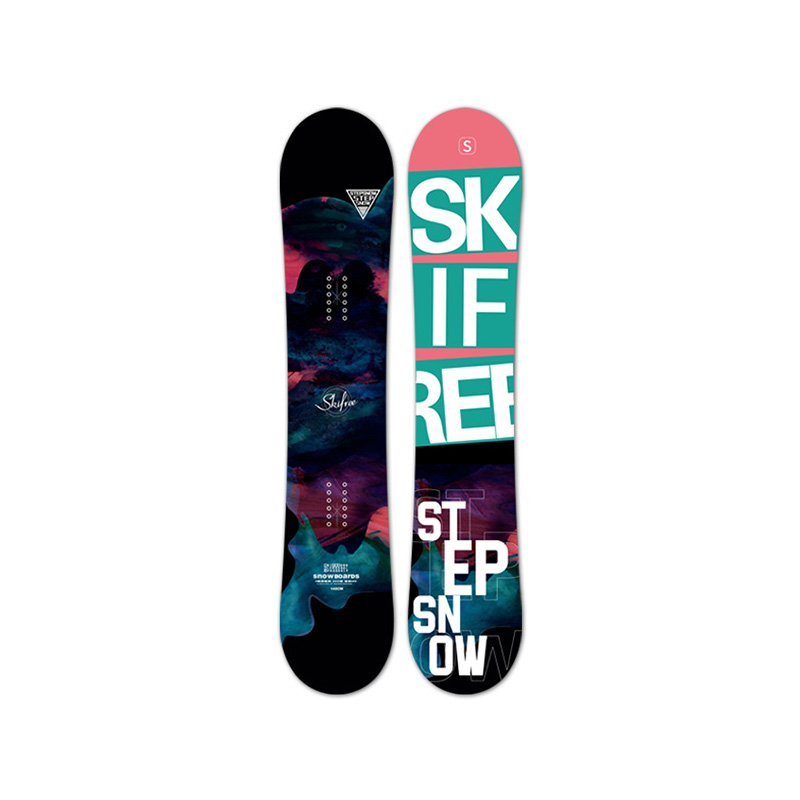
How Does Professional Ski Equipment Support Snowboard Selection
Snowboard choice rarely stands alone. Boots, bindings, and other gear shape how the rider feels on snow, so equipment matching usually starts with the full setup rather than one board on its own.
Professional Ski Equipment often brings attention to fit, use condition, and how each item works with the others. A board may look suitable, yet a poor match with boots or bindings can change the feeling during riding.
A few points usually come up during selection:
- how well the board fits the rest of the gear
- how the rider moves in normal use
- where the board will be used
- how the equipment is stored and maintained
Snowboard design also makes more sense when viewed alongside the rest of the setup. A board with a certain flex or shape may feel better with one style of binding and less natural with another. Riders who use different equipment combinations often notice that connection during real use rather than on paper.
For a Womens Snowboard All Mountain, the support equipment matters because the whole setup should work as one system. When gear fits together well, movement feels steadier and the rider can focus more on terrain than on adjusting equipment.
What Factors Should Be Considered Before Choosing A Womens Snowboard All Mountain
Choosing an all mountain board usually starts with daily riding habits. Some riders spend time on wider slopes, while others deal with changing terrain through a full day. A board that suits one style may feel less comfortable in another setting.
Experience can guide the choice, though riding style carries just as much weight. A rider who enjoys smoother turns may prefer a different feel than someone who likes quicker movement changes. Board response becomes part of that decision.
Several practical points often help narrow the choice:
- where the board will be used
- how the rider prefers to turn and balance
- what kind of snow conditions are common
- how the rest of the equipment fits together
Snow conditions can shift from one area to another, so an all mountain board needs to stay flexible in use. A board that handles different terrain with steady control often feels easier to keep in regular rotation.
Appearance may still matter, though it usually sits behind practical needs once riding begins. Fit, balance, and control tend to matter more once the board is in use.
Equipment compatibility also deserves attention. Boots and bindings need to support the board in a way that feels natural, otherwise the riding experience may lose its balance. Looking at the whole setup gives a clearer picture than focusing on one item at a time.
How Do Manufacturing Methods Influence Snowboard Characteristics
Manufacturing has a clear effect on how a snowboard behaves. Material choice, board structure, and assembly method all influence the way the board responds when it moves across snow.
Different construction choices can create different riding feelings. Some boards are arranged for smoother handling, while others are built around another type of response. Small changes in design can shift how the board turns, holds stability, or feels under the rider.
Production usually moves through several stages:
- preparing the material
- arranging the structure
- putting components together
- checking the finished board
Material preparation shapes the starting condition of the snowboard. Weight feel and flex response often begin there, even before the board is assembled.
Structural arrangement also matters. Inside the board, different layers and components work together, and that internal setup influences how the board reacts during regular riding.
Assembly brings the full board together. Careful processing helps keep each board close to the intended design, which matters when riders expect a consistent feel from one model to another.
Production checks round out the process. Small differences during manufacture can affect riding response later, so inspection remains part of keeping the board condition steady.
A Womens Snowboard All Mountain reflects both design intention and production method. The riding feel comes from how material, structure, and assembly connect in one complete board.
Why Is Proper Equipment Matching Important For Long Term Snowboarding
Snowboarding becomes easier to manage when the full setup works in balance. A board that suits the rider, along with compatible boots and bindings, usually feels more natural during normal use.
Equipment matching is not only about size. It also includes comfort, riding rhythm, and how the rider handles different snow conditions over time. Once a setup fits well, fewer adjustments are needed during regular use.
Long-term riding often depends on simple habits:
- checking equipment condition
- storing gear properly
- matching equipment to current riding needs
- noticing changes in performance over time
A setup that feels right tends to stay easier to use through the season. Riders can focus more on movement and less on correcting equipment that does not match the way they ride.
Different riders expect different things from an all mountain board. Some spend more time on open terrain, while others move through changing conditions more often. Those habits affect how a board feels in daily use and what kind of design is more suitable.
A Professional Ski Equipment approach looks at the complete system instead of one isolated product. That way, snowboard choice becomes part of a wider equipment arrangement rather than a single purchase decision.
A Womens Snowboard All Mountain works best when it fits the rider's movement, the surrounding equipment, and the snow conditions that come with regular riding. Once those parts line up, the board feels easier to use and more natural during everyday snow activity.





- Building 1 and 2, No. 2269, Jingzhong Road, Hongjia Street, Taizhou, Zhejiang, China
- +86-18857621312
- [email protected]
