
 English
  русский
  عربى
عربى 
How to Charge a Luxury Electric Catamaran at a Marina
2026-07-03
Electric boating has changed the way many vessels spend time at dock. Once a vessel relies on stored power instead of fuel alone, marina charging becomes part of normal operation, not a side task. Time alongside the berth is often used to recover energy, keep onboard systems ready, and prepare for the next stretch of travel.
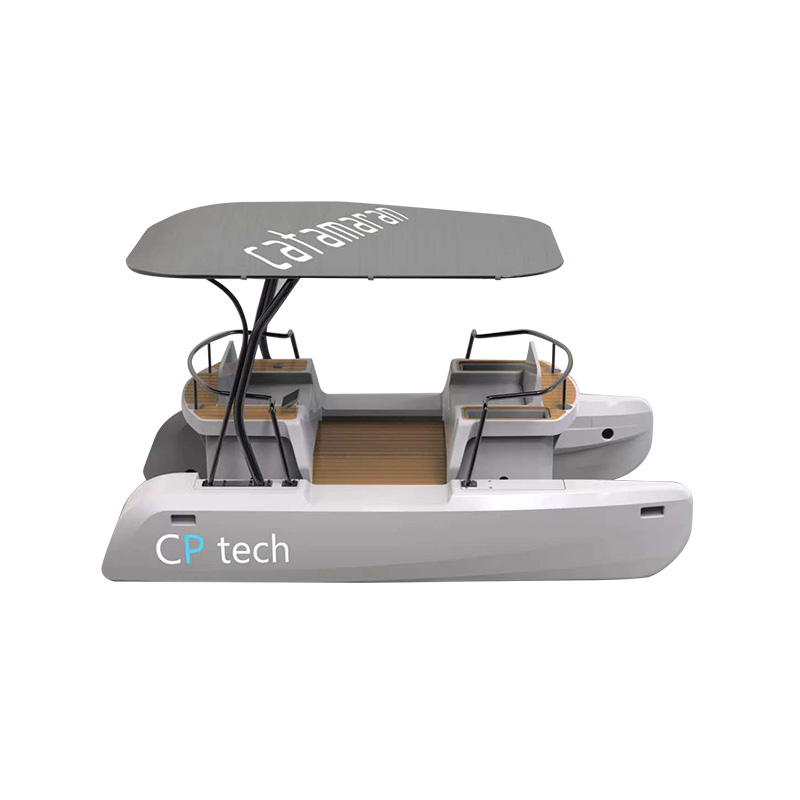
A Luxury Electric Catamaran depends on shore connection whenever battery storage needs to be replenished. While docked, energy flow shifts from outward use to inward supply, and that change affects how the vessel is managed during stay. Charging is not just a matter of plugging in a cable. Dock position, cable handling, connector condition, and onboard power use all shape how smoothly the process goes.
In practical marina use, charging supports several everyday needs:
- restoring energy after cruising periods
- keeping lighting and comfort systems active while docked
- reducing downtime between departures
- making travel planning easier around berth time
Before arrival, crews usually already think about charging access. Berth choice, cable reach, and connection space all influence how simple the dockside routine will feel once the vessel is secured.
What Energy System Does a Luxury Electric Catamaran Use?
Electrical storage on an electric vessel usually supports two different kinds of demand. One part goes to movement across water, while another part goes to onboard systems that keep the vessel usable during travel and at dock. Propulsion draws heavily during cruising. Once the vessel slows and enters marina space, energy demand changes.
Inside a Luxury Electric Catamaran, stored power may support:
- propulsion during navigation
- lighting around cabin and deck areas
- climate control or ventilation
- navigation and standby systems
- other onboard electrical functions during stationary periods
That split in energy use matters during charging. A docked vessel may still use power while recharging, so system demand does not disappear the moment connection begins. Charging therefore needs to work alongside onboard consumption rather than replacing it completely.
| Operating Condition | Energy Behavior | Main Use |
|---|---|---|
| Cruising | Power flows out of storage | Movement across water |
| Docked without charging | Reduced demand | Basic onboard functions |
| Connected to shore power | External supply enters system | Battery recovery |
Understanding that pattern helps explain why marina charging is tied closely to daily vessel operation.
How Does Marina Charging Infrastructure Work?
Marina charging normally takes place at a berth where shore power is available near the docking area. The setup is designed so vessel can remain secured while electrical connection is made from dock side to vessel side. Cable routing, access space, and water separation all matter at this stage.
Dock infrastructure often includes:
- shore connection points close to berths
- protected cable paths
- space for coil storage or cable handling
- clear separation between water surface and electrical access
Cables usually need enough reach to connect without hanging too tightly or lying in a position where movement could strain the link. Small shifts in vessel position caused by water motion are normal, so the connection path has to allow some flexibility.
In real marina conditions, charging works best when berth layout already supports access. Tight spaces, crowded dock edges, or awkward cable angles can make routine connection slower than expected.
What Should Be Checked Before Connecting to Shore Power?
Before connection begins, a few simple checks usually make the process smoother. Vessel position should be stable enough that cable movement stays limited during attachment. If the hull shifts too much, connector handling becomes harder and strain on the link increases.
A practical pre-connection routine often includes:
- confirming vessel is secure at berth
- checking that connector surfaces are dry and clean
- making sure onboard systems are in the right standby state
- verifying cable path is clear of tension or obstruction
Compatibility between dock supply and onboard system also needs attention. Connection points must match properly so power transfer begins under stable conditions. A quick inspection before plugging in often prevents trouble later, especially when weather or dock movement has already introduced small shifts around the berth.
How Is Shore Power Connection Safely Completed?
Connection is usually handled in a calm sequence rather than a rushed motion. Dockside cable is brought toward the vessel connection point, then aligned without force. The aim is to keep contact surfaces dry, clean, and properly seated before any power transfer starts.
A common connection sequence looks like this:
- Retrieve cable from dock side
- Inspect connector surface
- Prepare vessel-side connection point
- Align cable without pulling or twisting
- Secure connection so movement stays limited
In marina settings, cable tension matters more than it may seem. A line pulled too tightly may shift during water movement or tide change. That can place stress on the connector and shorten the comfort of the setup during longer dock stays.
Dry contact and stable fit usually give the connection a better chance of staying reliable throughout charging.
What Happens During Charging at the Marina?
Once shore connection becomes stable, energy starts moving from dock supply into onboard storage system. Charging is not a silent background process only. On an electric vessel, it often runs alongside normal onboard activity, especially when the catamaran stays occupied during dock time.
A Luxury Electric Catamaran may still support several onboard functions during charging period. Lighting systems remain active, ventilation may continue running, and navigation standby systems usually stay powered. Because of that, energy inflow and energy use happen at the same time, creating a shared balance inside the system.
Charging behavior is usually influenced by:
- onboard energy use during dock stay
- stability of shore connection
- condition of cable alignment
- environmental exposure around berth
Marina surroundings also play a role. Wind movement may shift vessel position slightly. Water level changes can adjust cable angle. Even small motion near dock edge can influence how steady the connection feels over time.
In practical use, charging period becomes a mix of observation and adjustment. Crew may check connector stability, confirm cable position, and ensure onboard usage does not create unnecessary load during energy intake.
What Challenges Can Appear During Marina Charging?
Dockside charging looks simple from a distance, yet real environment often introduces small complications. Space around berth is usually limited, and multiple vessels may share nearby areas. Cable management becomes a practical concern instead of a minor detail.
Common situations include:
- narrow walking paths along dock edges restricting cable placement
- vessel movement caused by wave reflection inside marina
- slight pull on cable due to tide variation
- need to coordinate access with dock personnel movement
Cable routing is one of the most frequent challenges. If path crosses walking areas, it may need adjustment to avoid obstruction. If path is too tight, connection point may experience stress during vessel movement.
Weather conditions also influence stability. Light wind can shift vessel angle slightly. Moisture in air may require more careful handling of connectors during adjustments. Even when charging continues normally, small external changes often require attention.
In many cases, smooth operation depends less on equipment complexity and more on how well connection is arranged in real dock conditions.
Why Is Electrical Safety Important Near Water?
Water environment adds an extra layer of attention when handling shore power. Even though marina systems are designed for separation between electricity and water surface, careful handling still matters during connection and operation.
Several basic safety practices are commonly followed:
- keeping connector surfaces dry before engagement
- avoiding direct cable contact with water surface
- preventing unnecessary strain on charging port
- ensuring secure locking of connection points
Cable inspection also plays a role in safe operation. Small wear marks, surface cracks, or loose fittings may affect stability during charging. Regular visual checks help maintain consistent contact quality.
Another important factor is movement awareness. Vessels do not remain completely still in marina water. Gentle shifting is normal, so cable arrangement must allow limited flexibility without pulling against connection points.
Safety near water is less about single action and more about steady attention throughout entire charging period.
How Should Charging Equipment Be Maintained?
Charging equipment in marina use faces repeated exposure to moisture, salt air, and mechanical handling. Over time, connectors and cables benefit from routine care to keep performance stable.
Maintenance habits often include:
- wiping connectors after each docking use
- checking cable surface for wear or stiffness
- inspecting locking points for looseness
- storing cables in dry onboard space when not in use
Connector condition is especially important. Even small residue buildup can affect contact quality during next charging cycle. Keeping surfaces clean helps maintain smoother engagement between dock supply and vessel input.
Cable storage also matters. Loose winding or improper folding may cause internal stress over time. A controlled storage approach helps reduce unnecessary strain on internal wiring.
Regular attention to these small details often extends usable life of charging equipment and supports more consistent marina operation.
How Does Efficient Charging Affect Vessel Operation?
Charging efficiency has a direct influence on how smoothly vessel operation continues across different travel stages. When energy recovery at marina works without interruption, planning between routes becomes more flexible.
Efficient charging supports:
- reduced waiting time before departure
- stable energy availability for onboard systems
- smoother transition between cruising and docking stages
- less interruption in daily travel scheduling
From an operational view, charging is part of overall energy rhythm rather than a separate task. Dock time becomes an opportunity to restore balance in onboard system rather than simply pause activity.
Over longer use, stable charging behavior also contributes to consistent system condition. When connection remains steady and maintenance is kept routine, onboard energy system tends to operate with fewer unexpected interruptions.
In marina environments, charging is not only about power input. It becomes part of how vessel integrates with dock infrastructure, water conditions, and daily operation flow.









- Building 1 and 2, No. 2269, Jingzhong Road, Hongjia Street, Taizhou, Zhejiang, China
- +86-18857621312
- [email protected]
