
 English
  русский
  عربى
عربى 
What Upgrades Are Common In Electric Farm ATV For Modern Agricultural Work
2026-07-07
Daily agricultural work rarely follows one fixed routine. A single morning may begin with checking irrigation lines, continue with moving tools between fields, and end with carrying harvested produce back to a storage area. Equipment used in such environments needs to adapt to changing tasks instead of serving only one purpose.
Traditional utility vehicles were often expected to handle transportation alone. Modern farming places greater attention on efficiency during ordinary work, encouraging vehicle layouts that support carrying equipment, organizing supplies, and reaching scattered work locations with less effort. Practical improvements usually develop from repeated field experience rather than appearance alone.
An Electric Farm ATV has gradually become part of many routine operations because agricultural work often involves short trips repeated throughout the day. Rather than replacing larger machinery, such vehicles fill the gap between walking and using equipment designed for heavy field operations. Moving across orchards, vegetable plots, livestock areas, and farm roads becomes more convenient when transportation matches the scale of daily tasks.
Another noticeable change comes from farm layouts. Modern agricultural land is often divided into separate working areas connected by narrow roads, service paths, or uneven ground. Vehicles therefore benefit from compact dimensions that allow easier movement around trees, fences, storage buildings, and irrigation facilities without creating unnecessary difficulty during turning or parking.
Storage has also received increasing attention. Workers frequently carry pruning tools, maintenance equipment, spare parts, ropes, containers, and protective clothing throughout the day. Instead of placing everything loosely on a cargo platform, many newer vehicle layouts include organized storage areas that help keep commonly used items accessible during routine work.
Comfort contributes to productivity as well. Repeated entry and exit from a vehicle occurs throughout ordinary farm activities. A seating position that allows comfortable movement, controls arranged within natural reach, and a practical cargo layout reduce unnecessary effort during long working days.
Practical changes like these are closely connected with real agricultural routines rather than short-term trends. Every adjustment reflects a task performed repeatedly across different farming environments.
Which Daily Farming Tasks Influence Vehicle Design
Vehicle design usually begins with ordinary jobs carried out every season. Transporting feed, carrying repair tools, moving irrigation supplies, checking boundary fences, or collecting harvested crops all place different demands on the same vehicle.
Moving between scattered locations is one example. Agricultural work seldom remains in one place for an entire day. Workers may travel from storage buildings to greenhouses, continue toward orchards, and later inspect drainage channels located farther away. A vehicle suited to frequent short-distance movement supports that routine naturally.
Material transport also influences cargo design. Small loads carried several times during the day often require better organization than maximum carrying capacity. Separate storage spaces reduce the chance of tools shifting during travel while making equipment easier to locate once reaching the work area.
Inspection work creates another requirement. Looking at irrigation pipes, fences, water pumps, or crop conditions usually involves frequent stopping. Entering and leaving the vehicle should feel uncomplicated because repeated movement becomes part of normal operation.
Livestock care introduces another working pattern. Feed containers, cleaning tools, and maintenance supplies often travel together during routine visits to animal housing areas. Easy access to stored equipment becomes more practical than carrying individual items by hand across several locations.
Different agricultural environments also influence vehicle dimensions. Narrow paths between planting rows require different movement compared with open fields. Turning space, overall width, and visibility become practical considerations instead of simple design features.
Small improvements often originate from everyday observations, including how easily cargo can be loaded, how quickly tools can be reached, and how comfortably the vehicle moves across uneven farm tracks.
What Functional Upgrades Improve Everyday Farm Operation
Many recent improvements focus on simplifying ordinary work rather than changing the vehicle completely. Storage areas have become easier to organize, allowing commonly used tools to remain separated instead of being placed together in one open space.
Cargo platforms have also become more practical. Flat loading surfaces simplify handling of seed containers, maintenance equipment, irrigation materials, fencing supplies, and harvested produce. Some layouts allow removable dividers so cargo space can change according to daily requirements.
Lighting arrangements receive attention because farm activity often begins early and may continue until natural light becomes limited. Better illumination around working areas helps operators check pathways, loading spaces, and nearby obstacles during routine movement without depending entirely on external lighting.
Control layouts have gradually become simpler. Frequently used switches are positioned where operation feels more natural, reducing unnecessary hand movement while travelling between work areas. Clear instrument displays also make routine observation easier during ordinary use.
Several practical upgrades commonly appear together.
- Larger cargo areas for everyday supplies.
- Storage compartments for small tools.
- Practical lighting around working areas.
- Seating that supports repeated entry and exit.
- Controls arranged for routine operation.
- Easier loading and unloading from different sides.
Each improvement may appear relatively small on its own. Combined together, they create a vehicle that fits ordinary agricultural routines more naturally than a design focused only on transportation.
How Does Electric Drive Fit Different Agricultural Environments
Agricultural environments vary widely, making flexibility an important consideration. Conditions inside an orchard differ from those found around livestock buildings, while greenhouse pathways require different vehicle movement than open farmland.
An Electric Farm ATV often operates where repeated short-distance travel forms part of everyday work. Moving between planting areas, transporting maintenance equipment, or carrying harvested products across moderate distances suits that operating pattern.
Greenhouses present one type of environment where compact movement becomes useful. Narrow paths leave limited room for turning, making vehicle dimensions more important than travelling speed. Similar situations appear around nurseries and enclosed growing areas where surrounding structures remain close to working routes.
Orchards create another set of conditions. Trees, irrigation equipment, and uneven ground require careful movement between planting rows. A vehicle able to travel steadily across changing terrain supports inspection and routine maintenance without unnecessary difficulty.
Different environments encourage different vehicle layouts rather than one universal configuration. Practical agricultural work continues to shape future improvements according to real tasks carried out across farms every day.
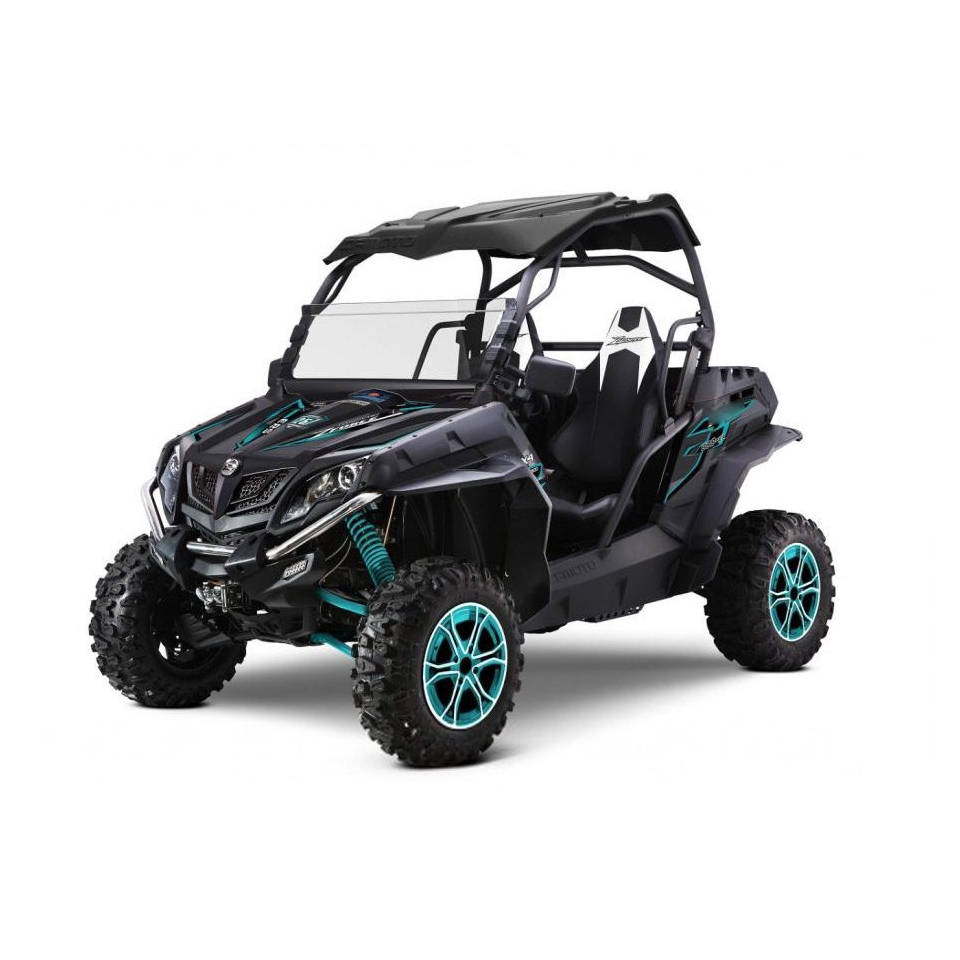
Which Chassis And Suspension Changes Support Rough Ground
Agricultural land rarely offers one continuous surface. A vehicle may leave a concrete yard, move across loose gravel, pass through damp soil, then continue over wheel tracks left by other equipment. Every change beneath the tires places different demands on the frame and running gear, making structural design closely connected with daily use instead of occasional situations.
Ground clearance becomes meaningful whenever crop residue, exposed roots, shallow ditches, or uneven ground appear along the route. A chassis with reasonable space beneath its lower section allows ordinary travel to continue without frequent contact between the frame and the surface below. Such clearance is not intended for difficult terrain alone; it also supports routine movement around farms where working paths change with weather and seasonal activity.
Suspension works quietly throughout the journey. Rather than drawing attention during operation, it helps each wheel follow changes in ground level with fewer sudden movements. Cargo carried on the rear platform stays more stable when vibration is reduced, while steering often feels more predictable as the wheels remain in contact with the surface.
Weight distribution deserves equal attention. Agricultural work rarely involves an empty vehicle. Hand tools, seed containers, fencing materials, irrigation parts, or harvested produce shift the center of gravity throughout the day. A balanced chassis supports steadier movement during turning and while travelling across uneven ground where one wheel may rise higher than another.
Frame protection also reflects practical experience from field work. Stones, broken branches, or hardened soil occasionally touch the underside during normal travel. Protective sections beneath exposed areas help reduce wear caused by repeated contact over time.
Tires complete the relationship between the vehicle and the ground. Soft soil, grass, compact farm roads, and gravel each create different levels of grip. Choosing a tread pattern suitable for regular working conditions often has a greater influence on everyday operation than selecting features intended for less common situations.
How Can Attachment Compatibility Increase Practical Use
Agricultural work changes with planting cycles, maintenance schedules, and harvesting periods. A vehicle prepared for one task in spring may perform something entirely different later, making adaptability an important part of practical use.
Rather than remaining fixed in one arrangement, many utility vehicles accept accessories that can be added or removed according to current work. A small trailer may carry harvested vegetables during one period, then transport irrigation supplies or fencing materials during another. Changing the attachment often requires less effort than changing the vehicle.
Storage systems also improve flexibility. Small hand tools, gloves, ropes, repair materials, and protective equipment stay organized when separate compartments are available. Searching through loose cargo takes time during field work, while dedicated storage keeps commonly used items within easy reach.
Long equipment creates another challenge. Pruning poles, irrigation pipes, or lightweight construction materials rarely fit inside enclosed storage areas. Rack systems provide secure support without occupying valuable cargo space needed for other supplies.
Useful additions may include:
- Small transport trailers
- Tool storage boxes
- Equipment racks
- Utility carriers
- Removable cargo organizers
- Protective covers for transported materials
Flexibility comes from matching accessories to daily work rather than permanently fixing one arrangement for every season.
What Should Be Considered Before Choosing An Electric Farm ATV
Selecting equipment usually begins with observation rather than specification. Looking at daily routines often reveals what the vehicle needs to accomplish long before comparing individual features.
Distance between working locations influences travel patterns. Some farms require repeated movement across compact areas, while others involve regular trips between fields, storage buildings, livestock shelters, and irrigation systems. Understanding that routine helps determine which layout fits ordinary work more naturally.
Cargo deserves similar consideration. Carrying pruning tools differs from transporting harvested produce or maintenance supplies. Looking at what is moved every day often provides a clearer direction than focusing on occasional jobs.
Working environment also shapes vehicle choice. Narrow orchard rows, greenhouse pathways, open farmland, and livestock facilities each create different space requirements. Turning room, storage access, and cargo arrangement become practical considerations once the actual workplace is taken into account.
| Farm Activity | Practical Feature |
|---|---|
| Material transport | Open cargo area |
| Uneven pathways | Suitable ground clearance |
| Orchard movement | Compact vehicle width |
| Livestock care | Convenient access |
| Tool carrying | Organized storage |
| Seasonal work | Flexible attachment options |
Maintenance should remain part of the decision as well. Components that are easy to inspect after field work generally simplify routine care throughout regular use. Simple access often encourages more consistent inspection than layouts requiring unnecessary disassembly.
Why Does Practical Maintenance Support Long Term Farm Use
Routine care often grows from ordinary habits instead of complicated procedures. Dust, soil, leaves, grass, and crop residue naturally collect during daily work. Cleaning at the end of a working day keeps moving parts visible and makes later inspection easier.
Cargo platforms deserve attention because equipment is loaded and unloaded repeatedly. Looking over mounting points, storage compartments, and fastening areas helps identify small changes before they affect normal operation.
Tires experience continuous contact with changing ground conditions. A quick visual inspection after travelling across rough surfaces may reveal cuts, embedded stones, or uneven wear that would otherwise remain unnoticed.
Charging equipment also benefits from regular attention. Clean connection points and an orderly charging area support reliable daily use while reducing unnecessary interruptions during busy farming periods.
Simple maintenance often follows familiar routines.
- Remove accumulated soil and plant residue.
- Check tire condition after field travel.
- Inspect storage areas and cargo supports.
- Look over visible fasteners.
- Keep charging equipment clean and protected.
An Electric Farm ATV becomes more useful when routine care follows ordinary working habits rather than occasional repair schedules. Careful observation, practical maintenance, and equipment arranged around everyday farming tasks help the vehicle remain suitable for transport, inspection, and material handling across changing agricultural environments.








- Building 1 and 2, No. 2269, Jingzhong Road, Hongjia Street, Taizhou, Zhejiang, China
- +86-18857621312
- [email protected]
