
 English
  русский
  عربى
عربى 
How a Luxury Electric Catamaran Differ From Standard Boats
2026-08-18
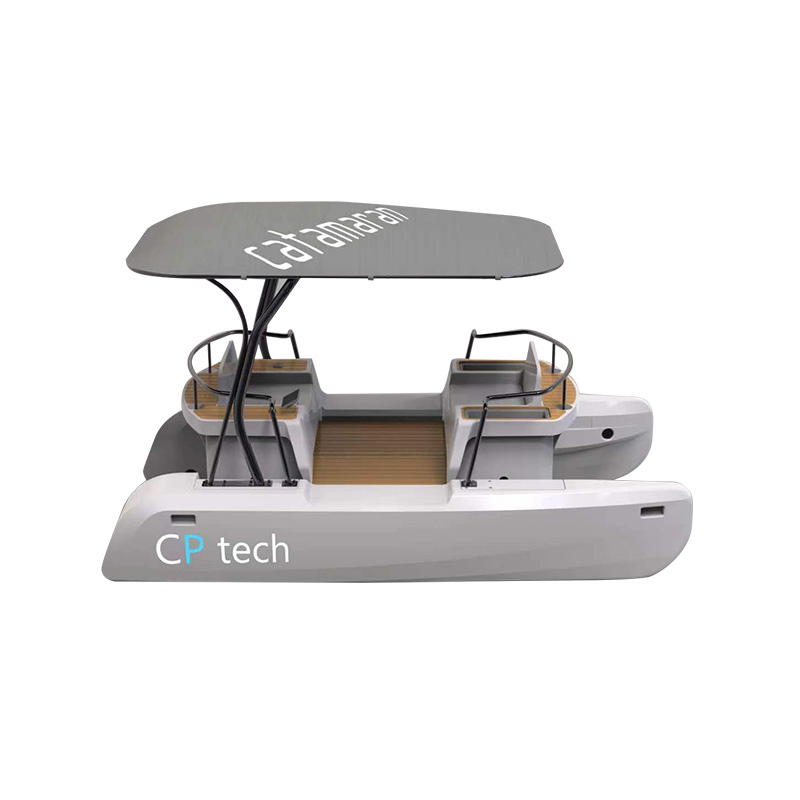
Boat design starts with the hull because nearly every other part depends on its shape, balance, and available space. A standard electric boat often uses a single main hull, while a Luxury Electric Catamaran uses two hulls joined by a wider deck structure. Such a layout changes how weight, equipment, passengers, and living areas can be arranged.
Two separate hulls create a broader platform above the water. Weight can be distributed across both sides rather than concentrated along one central body. Such an arrangement influences the way the boat sits in the water and also creates room for wider passenger areas.
Hull design also affects how an electric propulsion system can be arranged. Motors, batteries, controls, and supporting equipment need suitable positions inside the structure. A poorly balanced layout can create unnecessary pressure on one side of the vessel, making careful planning important during development.
For a Luxury Electric Catamaran, hull design is therefore connected with both movement and onboard living space. A wider platform can support seating areas, open decks, storage sections, and other features without relying entirely on a narrow central cabin.
Several design considerations usually work together:
- Hull shape and water contact
- Weight distribution
- Passenger movement
- Equipment location
- Deck arrangement
- Storage space
- Access for maintenance
Standard electric boats can also offer carefully planned layouts, although a single‑hull structure naturally creates a different starting point. Differences become easier to see when interior space and passenger areas are considered alongside propulsion requirements.
How Does a Luxury Electric Catamaran Use Its Space
Space planning is one of the clearest differences between a catamaran and a conventional single‑hull boat. Two hulls leave a broad area between and above them, giving designers more freedom when arranging passenger zones.
A standard electric boat may place seating, controls, storage, and equipment along one central structure. A catamaran can separate functional areas more easily, allowing movement between the cockpit, seating area, open deck, and enclosed sections.
For leisure‑focused designs, such flexibility can influence how people spend time onboard. Seating can face different directions, open areas can remain available for movement, and storage can be positioned around less frequently used sections.
Interior planning also needs to account for equipment hidden beneath the deck. Batteries and electrical components occupy valuable internal space, so designers have to balance technical requirements with passenger comfort.
| Area | Main Design Consideration |
|---|---|
| Driving Area | Clear Control Access |
| Passenger Zone | Comfortable Movement |
| Open Deck | Flexible Use |
| Storage Area | Easy Access |
| Equipment Space | Protection and Service Access |
| Boarding Area | Safe Movement |
Such planning can give a Luxury Electric Catamaran a different character from a compact electric boat designed mainly around transport.
Space also affects maintenance. Equipment that cannot be reached easily can create problems during routine checks or repairs. Designers therefore need to leave suitable access around important components without taking unnecessary space away from passengers.
How Does Electric Propulsion Change Catamaran Design
Electric propulsion changes the relationship between power equipment and hull structure. Instead of arranging a conventional fuel system around an engine compartment, designers need to consider electric motors, batteries, wiring, control equipment, and charging arrangements as part of the vessel layout.
A catamaran offers two hull sections that can provide different locations for equipment. Such flexibility can help distribute weight across the vessel, although every component still needs to be positioned according to the overall balance.
Motor placement can also influence the relationship between propulsion and hull shape. Separate propulsion units may be positioned around individual hull sections, while control systems need to communicate with the driving area.
Battery placement requires similar attention. Heavy equipment placed too far toward one side or toward either end can change how a boat sits on the water. Designers therefore consider weight distribution at an early stage rather than treating battery storage as an afterthought.
Electrical equipment also needs protection from moisture and physical contact. Enclosures, access panels, cable routes, and service spaces all become part of the design process.
For an Electric Catamaran Boat, propulsion planning is closely tied to hull construction. A change in battery location can affect internal storage, while a change in motor position can influence available space inside a hull.
What Role Does Battery Placement Play in a Catamaran
Battery placement has an important connection with balance, usable space, and maintenance. Electric batteries are heavier than many of the smaller electrical components installed onboard, so their location needs careful consideration.
A catamaran provides two hulls in which equipment can potentially be arranged. Designers may use such space to distribute weight rather than concentrating equipment in a single narrow section.
Balance is not limited to left and right sides. Front and rear distribution also matters. Passenger movement can change the load carried by different areas, so fixed equipment needs to be positioned with expected onboard use in mind.
Battery compartments also require practical access. Routine inspection and service should not require unnecessary removal of surrounding structures. Protection from water exposure and physical impact remains important throughout the design.
A useful layout considers several relationships:
Battery Location → Weight Distribution → Available Space → Maintenance Access
Changing one part can influence the others. Moving batteries may create additional storage room in one area while reducing space elsewhere. Designers therefore need to assess the complete arrangement rather than focusing on a single compartment.
For a Luxury Electric Catamaran, battery placement also interacts with passenger areas. Equipment should remain protected and separated from normal movement while still allowing suitable access for service work.
How Does Ride Comfort Differ Between Catamaran and Single Hull Boats
Hull arrangement influences how movement is experienced onboard. A single hull concentrates the main structure around one central body, while a catamaran separates the hulls and connects them with a broader upper platform.
Such separation changes the way the vessel responds to movement across the water. Passenger areas positioned across a wider platform may experience a different sense of balance from seating placed along a narrow central hull.
Comfort does not come from hull shape alone. Seating position, deck height, passenger distribution, weather conditions, steering behavior, and overall vessel weight can also influence the experience.
A wider platform may make movement around the passenger area feel different because walking paths and seating zones are arranged across a larger surface. Open deck space can also reduce the feeling of crowding during leisure use.
At the same time, wider construction requires careful structural planning. Connecting two hulls into one usable platform means the deck and supporting structure need to work together under changing loads.
For electric boats, quiet propulsion can further change the onboard environment. Without the sound associated with a conventional engine, passengers may notice other sounds such as water movement, wind, or equipment operation more clearly.
Such changes explain why comfort needs to be considered as a combination of structure, propulsion, interior layout, and operating conditions rather than as a single design feature.
What Makes the Interior Different From a Standard Electric Boat
Interior planning becomes more flexible when two hulls support a wider upper structure. Instead of placing every passenger function along one narrow central space, designers can separate seating, movement paths, storage, and equipment areas according to how the boat will be used.
A Luxury Electric Catamaran may include open seating zones alongside enclosed areas, giving passengers different places to sit or move around. Such layouts also make it possible to separate quieter areas from sections used for steering or boarding.
Material selection matters inside a marine environment. Surfaces need to cope with moisture, sunlight, repeated cleaning, and regular contact with passengers. Easy‑care finishes can reduce maintenance work, while seating materials need to remain comfortable during extended use.
Storage deserves attention as well. Bags, safety equipment, charging accessories, cleaning supplies, and other items all need suitable places. Poor storage planning can leave walkways crowded, especially when the vessel is being used by several passengers.
Interior design also connects with weight distribution. Furniture, storage units, and built‑in equipment add weight, so their positions need to fit the overall hull arrangement.
A practical interior plan often considers:
- Passenger movement
- Seating direction
- Storage access
- Cleaning needs
- Weather protection
- Equipment separation
- Boarding paths
Luxury in an electric vessel is therefore less about adding decorative elements and more about coordinating space, materials, comfort, and everyday use.
How Does Onboard Equipment Affect Daily Use
Electrical and navigation equipment can shape how a boat is operated. A control area needs to provide clear access to steering functions, power controls, battery information, lighting, and other necessary systems without making the dashboard difficult to use.
Passenger areas have different requirements. Lighting, audio equipment, charging points, and communication devices may be integrated into seating or side panels. Placement needs to remain convenient without creating obstacles along walking paths.
Because electric propulsion relies on several connected electrical components, equipment layout also affects maintenance. Cables and control units need protection and reasonable access for inspection.
A well‑planned arrangement separates daily‑use controls from components that require occasional service. Passengers should not need to enter equipment areas during ordinary use.
Weather exposure creates another concern. Outdoor equipment may face water, sunlight, and changing environmental conditions, so housings and connection points require suitable protection.
For an Electric Catamaran Boat, onboard equipment can also influence the visual layout. A clean deck depends partly on placing technical components beneath seats, inside cabinets, or within designated service areas.
How Do Materials Influence Electric Catamaran Construction
Material choice affects weight, durability, appearance, maintenance, and manufacturing processes. Hull construction needs materials capable of handling regular contact with water, while deck surfaces need to provide a practical walking environment.
Interior materials face a different set of conditions. Seats and panels may experience moisture, sunlight, cleaning products, and repeated contact. A material that looks suitable during assembly may require additional consideration once exposed to daily use.
Weight remains closely connected with material selection. Every structural section, interior panel, seat, and equipment housing contributes to the overall load carried by the vessel.
For electric propulsion, weight planning has an additional role because energy storage and propulsion equipment already occupy part of the vessel's weight allowance. Designers therefore need to balance structural requirements with interior features.
A useful material review can consider:
- Resistance to moisture
- Ease of cleaning
- Surface durability
- Weight
- Repair requirements
- Compatibility with surrounding materials
Material changes can also affect production. A different surface may require another cutting method, fastening approach, or finishing process. Manufacturing teams need to account for such changes before assembly begins.
What Should Buyers Compare Before Choosing an Electric Catamaran
Choosing between a Luxury Electric Catamaran and a standard electric boat starts with intended use rather than appearance. Different layouts suit different activities, so comparison should focus on how the vessel will actually be occupied and maintained.
Passenger capacity is one consideration, although space should not be judged only by the number of seats. Walking paths, storage, boarding areas, and equipment placement all influence usable space.
Operating conditions also matter. A vessel used mainly in calm recreational waters may face different design demands from one used in changing coastal conditions.
Storage and charging arrangements deserve attention as well. Electric vessels require suitable access to charging facilities, while onboard equipment needs places that remain protected from routine passenger movement.
Maintenance should be considered before purchase or installation. Access to batteries, motors, controls, and other electrical components can affect service work later.
A practical comparison can include:
- Hull arrangement
- Passenger layout
- Storage requirements
- Charging access
- Maintenance space
- Weather exposure
- Boarding method
- Interior cleaning
- Equipment location
Appearance remains relevant for a leisure vessel, although structural layout has a direct connection with daily use. A carefully planned interior can make movement easier, while accessible equipment areas can simplify routine maintenance.
How Is a Luxury Electric Catamaran Developed as a Complete System
A modern electric catamaran is developed through coordination between several parts rather than by designing each component separately. Hull shape affects weight distribution, battery placement affects internal space, propulsion affects hull layout, and interior features add another layer of load and space requirements.
Design work commonly moves through several connected stages. Hull structure is considered alongside propulsion placement, followed by battery storage, passenger areas, equipment access, and interior finishing.
Changes made during one stage can influence later decisions. For example, moving a battery compartment may change storage space, while changing seating positions can affect weight distribution.
A complete design therefore needs regular checks across the vessel.
Hull Structure
↓
Propulsion Arrangement
↓
Battery and Equipment Placement
↓
Passenger Space
↓
Interior and Deck Design
↓
Maintenance and Access Planning
Such coordination also matters during manufacturing. Components need to arrive at the assembly stage with compatible dimensions and connection points. Door panels, cabinets, seats, control areas, and equipment covers all need to fit within the planned structure.
For a Luxury Electric Catamaran, the final character comes from how these elements work together. Wider hull spacing may create different opportunities for passenger areas, while electric propulsion allows equipment planning around a different power structure from conventional boats.
A standard Electric Catamaran Boat can also use thoughtful space and equipment planning. Differences between designs usually come from intended use, interior arrangement, structural choices, and the level of integration between propulsion, passenger areas, and onboard systems.
Careful coordination keeps hull structure, electrical equipment, interior space, and daily operation connected throughout production, giving manufacturers a practical framework for developing different types of electric vessels.





- Building 1 and 2, No. 2269, Jingzhong Road, Hongjia Street, Taizhou, Zhejiang, China
- +86-18857621312
- [email protected]
