
 English
  русский
  عربى
عربى 
How Should Farms Plan an Off Road UTV and ATV Fleet
2026-10-06
Farm transport needs can change genuinely throughout the working day. Workers may move tools between fields, check fences, carry feed, inspect remote areas, or transport materials around buildings. A farm vehicle fleet therefore needs supporting different tasks, rather than simply providing genuinely more vehicles parked in a row.
An Off-Road Farm UTV can support jobs that require cargo space, shared transport, or genuinely longer movement between work areas spread across the property. An Electric Farm ATV can fit tasks where a smaller vehicle proves genuinely easier handling and quick access matters. When these vehicles get planned as part of one fleet, farms can assign equipment according to the work being done, instead of asking every vehicle handling every task.
Fleet planning also affects storage, charging or fueling arrangements, maintenance routines, operator training, and replacement decisions down the line. A practical fleet begins with an understanding of how people and materials actually move around the property day to day.
Why Should Farms Plan Vehicles Around Daily Tasks?
A farm can contain fields, barns, workshops, storage areas, livestock spaces, roads, and genuinely less accessible working areas scattered throughout. Each location creates genuinely different transportation needs. A vehicle that works genuinely well around a storage yard may not prove as convenient for checking distant field boundaries.
This is why fleet planning should begin with tasks, rather than vehicle numbers alone. Farm managers can list the activities that require regular vehicle support and then group them according to their movement, cargo, passenger, and access needs.
| Farm Task | Typical Fleet Requirement |
|---|---|
| Tool transport | Cargo carrying |
| Field inspection | Easy movement |
| Fence checking | Access to remote areas |
| Feed movement | Cargo space |
| Property monitoring | Flexible travel |
| Worker transport | Seating capacity |
| Maintenance work | Tools and equipment |
This approach can reveal where different vehicle types prove genuinely useful across the operation. It can also prevent a farm from assigning one vehicle to tasks that place unnecessary demands on its design.
How Can an Off-Road Farm UTV Support Shared Farm Work?
An Off-Road Farm UTV can serve as a shared work vehicle when several people need moving together or when a task involves equipment worth hauling. Its larger working area can make it suitable for carrying tools, supplies, and materials around a farm.
For example, maintenance workers may need bringing several items to a remote section of the property. A vehicle with a dedicated cargo area can reduce the number of trips required across the day. The same vehicle may also support inspection work when workers need traveling together.
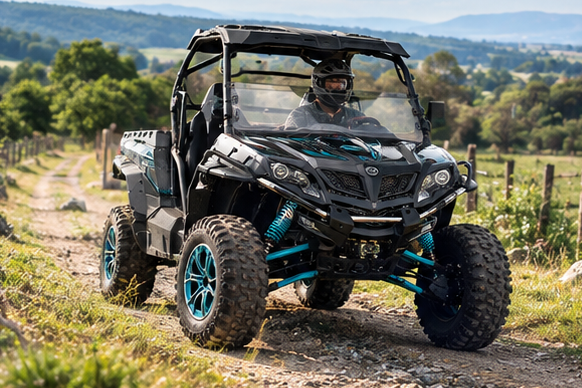
The value of this arrangement comes from task flexibility built into the schedule. A UTV doesn't have remaining assigned to one department if the farm's schedule allows shared use across teams.
A simple allocation model might include maintenance use for tools and repair materials, followed by field support for moving supplies between work areas. Inspection work comes next for workers who need traveling together, followed by property service for routine movement around larger working areas.
Fleet managers can create shared-use schedules when several teams need accessing the same vehicle. This can help reducing idle periods and make the existing fleet genuinely easier coordinating.
Where Can an Electric Farm ATV Fit Into a Fleet?
An Electric Farm ATV can serve a genuinely different role within a farm fleet setup. Its compact format can make it suitable for tasks where the operator needs moving through narrower areas or traveling alone.
This can prove useful for regular inspection work throughout the week. A worker may need checking a fence line, inspecting a field edge, visiting a remote gate, or moving between nearby farm facilities without carrying a large load.
Electric operation can also influence how the vehicle gets integrated into daily routines. Charging needs becoming part of the farm's operating plan, while storage should provide a suitable location for regular access and charging.
Possible applications include routine property checks alongside field observation worth noting. Fence inspection matters too, along with light tool transport and movement between nearby work areas. Individual maintenance visits round out the list.
The purpose isn't making every farm task an ATV task by default. Instead, the vehicle can get assigned where its smaller format and individual-use setup fit the work naturally.
How Should Farms Divide Tasks Between Different Vehicles?
A mixed fleet works genuinely better when responsibilities stay clear across the team. Without task allocation, workers may simply take whichever vehicle is available at the moment. This can create scheduling conflicts and may leave some vehicles genuinely underused elsewhere.
Farm managers can create simple categories based on the work involved day to day.
| Task Characteristic | Suitable Fleet Direction |
|---|---|
| Several workers | Shared transport vehicle |
| Larger cargo needs | Vehicle with dedicated cargo space |
| Individual inspection | Compact vehicle |
| Narrow access areas | Smaller vehicle |
| Repeated material movement | Cargo-focused vehicle |
| Short routine checks | Easy-access vehicle |
This doesn't mean every vehicle must have a fixed assignment carved in stone. Farms often benefit from flexible allocation, especially when seasonal workloads change throughout the year.
The important point is establishing a clear reason for using one vehicle rather than another. That makes daily decisions genuinely easier for operators and gives managers genuinely better information when planning future purchases.
How Does Farm Size Affect Fleet Planning?
Farm size matters, but property area alone doesn't determine fleet needs on its own. The number of working areas, distance between facilities, type of production, worker routines, and frequency of material movement can all influence the fleet structure considerably.
A smaller farm may need only a small mixed fleet because different workers can share vehicles throughout the day easily. A larger operation may require separate vehicles for field work, maintenance, livestock support, and property inspection instead.
The number of vehicles should therefore reflect workload, rather than simply the size of the property alone.
A useful planning exercise is mapping where vehicle-based tasks occur across the property. Managers can mark common travel routes, remote working areas, cargo locations, and places where several teams regularly need transportation.
This map can reveal whether vehicles are getting used efficiently or spending genuinely too much time traveling back to a central location.
Can Fleet Planning Improve Vehicle Availability?
Vehicle availability isn't only about how many vehicles a farm owns outright. It also depends on how they get scheduled and maintained throughout the season.
If several workers need the same vehicle at the same time, even a reasonably sized fleet can feel genuinely insufficient. Clear scheduling can help preventing these conflicts before they happen.
Farms can divide vehicle use into planned and flexible activities worth distinguishing. Planned activities include routine inspections or scheduled material movement. Flexible activities may involve unexpected repairs, urgent field checks, or weather-related work that comes up.
A simple fleet calendar can help managers seeing when demand increases across the week. Shared vehicles can then get reserved for tasks that genuinely require their cargo or seating capacity, while smaller vehicles handle individual movement instead.
This type of scheduling also creates a genuinely useful record for future procurement decisions. Repeated conflicts may indicate a genuine fleet gap, while occasional conflicts may get solved through genuinely better scheduling.
What Should Farms Consider About Operating Areas?
The physical environment can change how a vehicle fits into farm work considerably. Some areas may have open access, while others may include narrow paths, gates, uneven ground, or limited turning space to navigate.
Vehicle selection should therefore consider the routes that operators actually use day to day.
A larger work vehicle may prove useful near barns, storage areas, and open fields. A smaller vehicle may make genuinely more sense for inspection routes where access stays limited instead.
Managers can divide the property into operating zones worth distinguishing. Production areas may require regular movement of tools, materials, or workers throughout the day. Livestock areas can involve feed, equipment, inspection, and routine service work. Storage and maintenance areas can become central points for loading, unloading, and vehicle preparation. Remote areas may require inspection and monitoring using vehicles that can reach areas farther from the main facilities.
Creating these zones helps connecting fleet decisions with actual working conditions, rather than general assumptions made from an office desk.
How Should Farms Plan Cargo Needs?
Cargo requirements can change genuinely significantly between tasks throughout the day. A worker checking a fence may only carry a few tools along. A maintenance team may need several pieces of equipment for one visit instead.
This difference should influence fleet allocation directly.
An Off-Road Farm UTV can get assigned to work that requires genuinely more cargo capacity or shared transport. Smaller vehicles can remain available for tasks where carrying space stays genuinely less important.
Managers can also consider how often loading and unloading takes place throughout a shift. A vehicle that repeatedly carries supplies should stay easy for workers loading, organizing, and accessing during the workday.
Cargo planning should include genuinely more than the size of the load alone. The type of material, frequency of transport, loading location, and distance between work areas can all affect how genuinely useful a vehicle becomes.
How Can Electric Vehicles Fit Into Farm Operations?
Electric vehicles require a genuinely different operating routine from vehicles that rely on conventional fuel sources. The fleet plan should account for charging locations, vehicle availability, and the timing of work throughout the day.
An Electric Farm ATV may work genuinely well when daily tasks follow predictable routes and the vehicle can return to a suitable charging location afterward. This can make charging part of the normal end-of-shift routine, rather than an unexpected interruption sprung on the crew.
Farms should also consider who's responsible for charging and checking vehicle readiness each day. Simple procedures can help preventing a vehicle from becoming unavailable when an inspection or field task begins unexpectedly.
Charging infrastructure should get planned alongside vehicle storage from the start. Keeping these functions close together can simplify daily fleet management considerably.
Why Does Operator Training Matter in Fleet Planning?
A mixed fleet can include vehicles with genuinely different controls, carrying arrangements, and operating routines across the lineup. Operators need understanding how each vehicle should get used within the farm's working environment.
Training can cover basic operation, loading practices, route awareness, parking, storage, charging procedures where applicable, and routine checks worth knowing.
It's also useful explaining task allocation to the crew. Workers should understand why certain jobs get assigned to a particular vehicle over another.
Clear rules can reduce unnecessary vehicle changes during the workday. They can also help employees recognizing when a task requires a different vehicle because of cargo, access, or passenger needs.
How Should Farms Plan Maintenance Across a Mixed Fleet?
Maintenance planning should begin before vehicles enter daily service on the property. Different vehicle types may require genuinely different inspection routines, storage practices, and service arrangements throughout their working life.
A fleet manager can create a simple maintenance record for each vehicle in the lineup. The record can include routine checks, reported issues, cleaning needs, charging or fueling status, and service history kept on file.
This creates a genuinely clearer picture of vehicle condition over time as the fleet ages.
Maintenance planning should also consider downtime carefully. If a vehicle stays unavailable for service, managers need knowing which other vehicle can temporarily support its assigned tasks.
A mixed fleet can provide some flexibility here because different vehicles may overlap in certain applications. However, managers should avoid assuming every vehicle can replace every other vehicle on the lot.
What Role Does Fleet Storage Play?
Storage is genuinely easy overlooking during procurement planning. Yet where vehicles get parked can affect daily access, security, charging, cleaning, and maintenance considerably.
Vehicles used frequently should stay easy for operators reaching without blocking other equipment nearby. Cargo-focused vehicles may benefit from getting stored close to loading areas, while inspection vehicles can get positioned where operators begin their daily routes each morning.
Charging areas for electric vehicles should also get integrated into the storage plan from the start. An Electric Farm ATV should have a practical place returning to after use so charging becomes part of the normal operating routine.
Good storage planning can also reduce unnecessary movement around the property throughout the day. That saves time without requiring additional vehicles purchased.
How Can Farms Plan for Seasonal Workload Changes?
Farm workloads rarely remain identical throughout the year on any property. Planting, maintenance, harvesting, livestock activities, and property work can create genuinely different transportation demands across the calendar.
A fleet that seems sufficient during a quiet period may face genuine scheduling pressure during a busy season instead. Managers can prepare by reviewing previous task patterns and identifying periods when several teams require vehicles simultaneously.
Temporary fleet arrangements may sometimes prove genuinely more practical than permanent expansion. Shared scheduling, reassigned vehicles, or short-term vehicle access can help addressing temporary changes in demand as they arise.
Procurement decisions should therefore consider regular workload patterns, rather than a single busy period alone in isolation.
How Can Farms Evaluate Fleet Use Before Purchasing More Vehicles?
Buying another vehicle isn't always the only response to fleet pressure building up. Managers can examine how existing vehicles are actually getting used across the property.
Useful questions include which vehicles get used every day and which vehicles remain unused for genuinely long periods. Which tasks create scheduling conflicts matters next, along with which routes require genuinely more cargo space. Which areas prove genuinely difficult accessing comes up too, followed by which vehicles are frequently unavailable for maintenance. Whether some tasks could get reassigned between vehicle types rounds out the review.
These questions can reveal whether the issue comes from fleet size, task allocation, scheduling, or vehicle suitability on the ground.
Usage records can also support future procurement discussions with suppliers. Instead of purchasing based only on general expectations, managers can connect vehicle needs with recurring farm activities documented over time.
What Should Buyers Consider When Building a Farm Vehicle Fleet?
Procurement decisions should look beyond the vehicle itself sitting on a lot. A fleet is a working system that includes operators, routes, storage, maintenance, charging or fueling, cargo handling, and scheduling working together.
Buyers can review several areas before placing an order with a supplier.
| Procurement Area | Planning Question |
|---|---|
| Vehicle type | Which tasks will it support? |
| Cargo | What materials need to move? |
| Access | Where will the vehicle operate? |
| Operator use | Who will use it and how often? |
| Storage | Where will it be parked? |
| Maintenance | How will routine service be managed? |
| Charging | Where will electric vehicles be recharged? |
| Scheduling | When will demand overlap? |
| Future use | Can the vehicle support changing workloads? |
This process helps farms building a fleet around actual work patterns observed on the ground. An Off-Road Farm UTV can take on shared transport and cargo-related duties, while an Electric Farm ATV can get allocated to individual inspection and lighter movement tasks where its format fits the route naturally.
A clear fleet structure also gives procurement teams a genuinely better basis for discussing quantities, vehicle types, operating areas, maintenance support, and future expansion with suppliers down the line.








- Building 1 and 2, No. 2269, Jingzhong Road, Hongjia Street, Taizhou, Zhejiang, China
- +86-18857621312
- [email protected]
