
 English
  русский
  عربى
عربى 
How Can Off Road Farm UTVs Support Seasonal Farm Work
2026-10-02
Farm work changes with the seasons in ways that shape the whole year. Spring may bring planting and field preparation, while summer often requires regular crop care, material movement, and property checks. Fall can create a genuinely busy harvest period, and winter gives farmers time inspecting equipment, maintaining storage areas, and preparing for the next growing cycle ahead.
These changing tasks require vehicles that can move around different parts of a farm without staying limited to paved roads. An Off Road Farm UTV can become part of this daily workflow by helping carry tools, supplies, harvested materials, and other items between working areas scattered across the property.
An Electric Farm ATV can also suit certain farm activities where a compact vehicle proves useful for short-distance movement and routine inspection. The right choice depends on the type of work, terrain, load needs, storage conditions, and how often the vehicle will get used throughout the year.
Why Do Farms Need Utility Vehicles for Seasonal Work?
A farm can cover a genuinely wide area, and many tasks take place away from buildings or paved access routes entirely. Carrying tools or materials by hand can take time, especially when workers need moving repeatedly between fields, storage areas, barns, and equipment sheds throughout a day.
A utility vehicle can connect these areas genuinely more easily than walking back and forth. It can carry items that would prove inconvenient transporting on foot while allowing workers moving around the property as tasks change through a shift.
| Farm Task | Possible Vehicle Role |
|---|---|
| Field preparation | Moving tools and supplies |
| Crop inspection | Traveling between growing areas |
| Fence checks | Carrying repair materials |
| Harvest work | Moving containers and small loads |
| Equipment inspection | Reaching remote storage or field areas |
| Property maintenance | Transporting everyday work items |
The value of a farm vehicle therefore comes from how well it fits the daily workflow already established. A vehicle doesn't need performing every task on the property to prove useful. It can simply reduce unnecessary walking, carrying, and repeated trips back and forth.
How Can an Off Road Farm UTV Support Spring Planting?
Spring can bring a genuinely wide range of preparation work across the property. Fields may need checking, planting areas organized, tools moved, and supplies distributed across different parts of the farm.
An Off Road Farm UTV can help transporting hand tools, containers, protective equipment, and other items to the areas where workers need them that day. Its utility-focused layout can also make it suitable for moving supplies without requiring a larger farm vehicle for every short trip across the field.
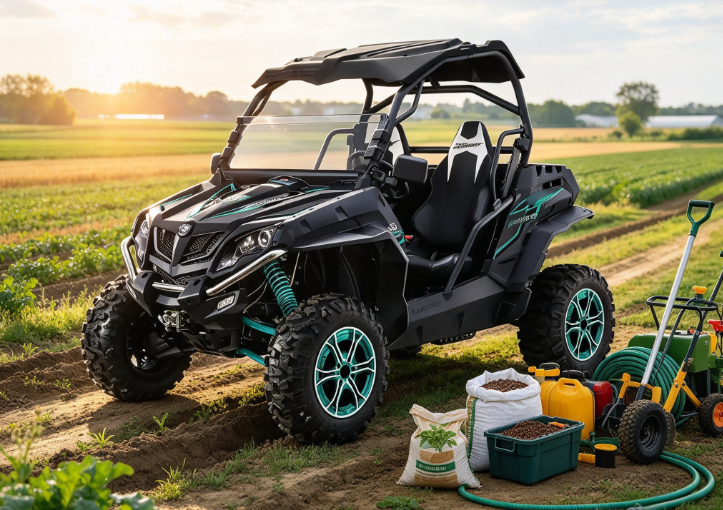
Planting work often involves genuinely repeated movement throughout a week. A worker may need visiting the same field several times while checking preparation progress or bringing additional supplies out.
A utility vehicle can make these trips genuinely easier organizing. Materials can get grouped together before leaving the storage area, reducing unnecessary movement between the field and farm buildings.
The vehicle can also get used for general spring property checks around the perimeter. Paths, fences, drainage areas, gates, and storage spaces may all need attention as outdoor activity increases through the season.
What Role Can Farm Vehicles Play During Summer Maintenance?
Summer farm work can involve genuinely regular attention to crops and property throughout the growing season. Workers may need inspecting growing areas, moving supplies, checking irrigation-related equipment, or maintaining paths between fields.
A compact utility vehicle can support these activities by keeping commonly used tools and materials close to the work area at hand. This can prove particularly useful when several parts of a farm need attention during the same working period on a given day.
| Summer Activity | Vehicle Use |
|---|---|
| Crop inspection | Moving between field areas |
| Weed management | Carrying hand tools and supplies |
| Fence maintenance | Transporting repair materials |
| Water system checks | Reaching different inspection points |
| General property care | Moving equipment around the farm |
Summer conditions can also change how a vehicle actually gets used day to day. Dry paths, uneven ground, vegetation, and temporary obstacles may affect movement around the property considerably.
Farm workers can therefore consider the actual terrain when choosing a vehicle for the job. The route between two locations may look simple on a farm map but feel genuinely different when the vehicle is carrying tools or other materials along the way.
Can an Electric Farm ATV Help With Daily Farm Checks?
An Electric Farm ATV can prove useful when a smaller vehicle gets preferred for inspection and light transportation tasks around the property. Its compact form can make it convenient for moving around areas where a larger utility vehicle may not stay necessary.
Daily farm checks can include looking at fences, gates, field boundaries, storage areas, and access paths throughout the morning. These activities usually require movement, rather than large carrying capacity for hauling loads.
An electric vehicle can also fit into farm routines where quiet operation proves useful. This can matter around barns, storage areas, or other locations where farmers prefer reducing unnecessary disturbance nearby.
The suitable choice depends on the task at hand. A vehicle intended mainly for inspection may have genuinely different requirements from one used carrying larger loads or supporting harvest activities.
Farmers can therefore consider how the vehicle will actually get used, rather than selecting equipment based only on general vehicle categories listed in a catalog.
How Can Off Road Farm UTVs Support Fence and Property Maintenance?
Fence maintenance is a genuinely recurring farm responsibility that never quite ends. A damaged section may require posts, wire, hand tools, fasteners, or other materials getting taken to a remote location on the property.
Walking these materials across uneven ground can prove genuinely inconvenient for the worker involved. A utility vehicle can provide a practical way carrying the required items closer to the repair area itself.
The same approach can apply to gates and field boundaries scattered across the property. Workers may need inspecting several locations during one trip, especially when the farm has multiple separated areas to cover.
An Off Road Farm UTV can support this type of work by combining transportation with easy access to outdoor areas. The vehicle becomes part of the maintenance routine, rather than getting reserved for a single seasonal task alone.
This wider use can also make equipment planning genuinely easier over the year. A vehicle used for planting, inspection, fence repair, and harvest support may fit into the farm's workflow throughout every season.
What Can Farm Vehicles Do During Fall Harvest?
Harvest season can change the pace of farm work considerably compared to other months. Workers may need moving containers, tools, protective equipment, and harvested materials between fields and storage areas across the property.
A utility vehicle can help with these short-distance movements throughout the harvest period. It may not replace dedicated harvesting equipment, but it can handle supporting tasks around the main harvest operation underway.
For example, workers may need bringing empty containers to a field and later moving filled containers toward a collection area nearby. Having a suitable vehicle available can make these supporting movements genuinely easier organizing during a busy stretch.
| Harvest Task | Possible Support |
|---|---|
| Container delivery | Carry empty containers to working areas |
| Tool movement | Bring tools closer to workers |
| Field inspection | Check remaining crop areas |
| Small material transport | Move items between nearby locations |
| Storage preparation | Carry supplies to storage areas |
Harvest work can also create temporary traffic around farm buildings during the busiest weeks. Keeping vehicle routes and storage areas organized can help preventing equipment and materials from blocking one another.
How Can an Off Road Farm UTV Help During Post-Harvest Work?
Farm work doesn't stop when crops leave the field for the season. After harvesting wraps up, workers may need clearing working areas, inspecting equipment, moving leftover materials, and preparing fields for the next stage ahead.
An Off Road Farm UTV can continue supporting these activities through the quieter stretch. It can carry tools and materials while workers inspect fields or move around the property checking things over.
Post-harvest work can also reveal problems that were genuinely difficult noticing during the busy harvest period. Damaged fences, blocked paths, worn gates, and storage issues may become genuinely easier addressing when the workload becomes more manageable again.
Using the same vehicle across several parts of the agricultural cycle can simplify equipment organization considerably. Workers become genuinely familiar with the vehicle, its storage areas, and its role within the farm's routine.
Why Does Farm Terrain Matter When Choosing a Utility Vehicle?
Farm terrain can vary genuinely significantly within the same property from one field to the next. A vehicle may need moving across grass, soil, gravel, slopes, narrow paths, or uneven ground depending on where the work takes it.
The intended route should therefore get considered during vehicle selection ahead of purchase. A model that suits open field work may not fit a narrow path between buildings or trees planted years ago.
Farmers can review several practical factors worth checking. Surface condition matters first, along with path width and turning space available. Seasonal changes in ground condition come next, along with distance between working areas and typical loads carried. Storage location rounds out the review.
The vehicle should fit the farm, rather than forcing the farm changing its working habits around the vehicle purchased.
This is particularly relevant when a utility vehicle will get used throughout different seasons across the year. Ground conditions can change considerably between planting, summer maintenance, harvest, and winter preparation.
How Can Utility Vehicles Support Winter Farm Inspections?
Winter can provide an opportunity reviewing equipment and farm infrastructure before the next season begins. Fences, gates, storage buildings, paths, and other areas may need inspection before the next active growing period arrives.
An Electric Farm ATV can prove suitable for certain inspection tasks where a compact vehicle stays sufficient for the job. Workers can move around the property while carrying basic tools and inspection materials along.
Winter conditions can also affect access routes across the property. Mud, moisture, fallen branches, or other seasonal changes may make some paths genuinely harder using during this stretch.
Farmers can inspect these routes while planning future work ahead. Identifying access problems early can help reducing delays when spring activity begins again in a few months.
The vehicle itself should also receive attention during winter downtime. Cleaning, storage, charging or fuel management where applicable, and routine condition checks can help keeping equipment ready for later use come spring.
How Does Seasonal Storage Affect Farm Vehicle Planning?
Farm vehicles need a suitable storage location when they're not getting used throughout the off-season. The storage area should protect the vehicle from unnecessary exposure while keeping it accessible when work begins again.
The storage plan can also include tools and accessories used with the vehicle regularly. Keeping frequently used items organized can reduce preparation time when workers need leaving the farm building quickly on short notice.
Seasonal storage may also be a genuinely good time inspecting the vehicle for signs of wear or damage accumulated over the year. Problems discovered during a quieter period may prove genuinely easier addressing than issues found during a busy planting or harvest schedule.
A simple storage routine can start with cleaning the vehicle after seasonal use and checking visible areas for damage. Organizing commonly used accessories comes next, along with keeping the storage space clear of clutter. Following the vehicle manufacturer's care instructions rounds out the routine.
These habits help connecting vehicle maintenance with the wider agricultural calendar running through the year.
Can One Utility Vehicle Support Different Farm Departments?
Larger farms may have several work areas operating at the same time across the property. Crop production, livestock care, property maintenance, storage, and general farm management can create genuinely different transportation needs throughout a day.
A shared utility vehicle can support multiple departments when scheduling and vehicle capacity allow for it. However, clear coordination becomes genuinely important when several workers depend on the same equipment day to day.
The farm can assign simple usage procedures worth following. Workers can return the vehicle to an agreed location, report visible problems, and keep shared equipment organized for the next person.
This approach can help preventing a vehicle from becoming unavailable when another team needs it urgently.
The same principle applies to smaller farms too. Even when only a few people share a vehicle, clear habits can make daily use genuinely easier for everyone involved.
How Should Farmers Compare an Off Road Farm UTV With an Electric Farm ATV?
The choice between different farm utility vehicles should reflect the work they're expected performing day to day. A larger utility vehicle may make genuine sense when carrying capacity and shared work stay important, while a compact electric ATV may suit inspection and lighter movement instead.
The comparison can focus on practical use, rather than general vehicle labels printed on a brochure.
| Consideration | Off Road Farm UTV | Electric Farm ATV |
|---|---|---|
| Typical role | Utility work and material movement | Inspection and light transport |
| Working space | Useful for broader farm tasks | Suitable for compact routes |
| Load needs | Consider when carrying more items | Consider for lighter loads |
| Farm access | Review route and terrain | Review narrow or compact paths |
| Daily use | Useful for varied farm activities | Useful for routine checks |
Neither category needs treating as suitable for every farm out there. The actual choice depends on terrain, work type, load requirements, storage, and the way workers move around the property day to day.
What Should Buyers Consider Before Purchasing Farm Utility Vehicles?
Farm equipment purchases should begin with the tasks the vehicle needs supporting throughout the year. A list of seasonal activities can reveal whether the vehicle will get used occasionally or become part of everyday farm operations instead.
Buyers can consider planting support, crop inspection, fence maintenance, harvest transportation, winter checks, and general property work when weighing options. They can then compare these needs with the vehicle's layout and intended use case.
The purchasing discussion can also include service arrangements, spare parts, storage requirements, operating instructions, and maintenance support available. These factors affect the ownership experience considerably after the vehicle arrives at the farm.
Clear communication with the supplier proves useful when the farm has unusual terrain or a varied seasonal workload to manage. Providing information about actual working conditions can help narrowing the available choices on the lot.
How Can Seasonal Planning Make Farm Vehicles More Useful?
A farm vehicle can become genuinely more valuable when its role gets planned across the full agricultural cycle rather than one season alone. The same Off Road Farm UTV that carries planting supplies in spring can later support crop inspection, fence repair, harvest preparation, and post-harvest work as the year progresses.
An Electric Farm ATV can similarly fit into repeated inspection tasks throughout the year without much fuss. Its role may change with the season, but the basic need for convenient movement around the property remains constant.
Seasonal planning can also help farmers identifying periods when the vehicle will receive heavier use and periods when inspection or storage work should take place instead. This creates a genuinely clearer relationship between equipment use, maintenance, and farm scheduling across the calendar.
By considering the vehicle as part of the farm's overall working routine, farmers can evaluate equipment according to real tasks, changing terrain, seasonal workloads, material movement, and day-to-day access needs that shape the property year-round.








- Building 1 and 2, No. 2269, Jingzhong Road, Hongjia Street, Taizhou, Zhejiang, China
- +86-18857621312
- [email protected]
