
 English
  русский
  عربى
عربى 
How Does Electric Farm ATV Improve Daily Farm Mobility And Load Handling
2026-05-29
Why Farm Movement Changes Through Daily Work
Farm work rarely stays in one rhythm. Morning movement often involves tools, materials, small loads moving between storage points and working areas. Later in the day, paths become more worn, ground softer, and carrying tasks feel heavier than expected.
Walking still exists in many places, yet distance inside farms is not always short. Some routes repeat many times in a single day. Carrying by hand or pushing small carts slowly becomes part of a limit rather than a choice.
Electric Farm ATV appears in this kind of environment as a compact movement option. It is not about replacing all transport methods. It simply changes how short trips feel when ground conditions shift during the day.
Off Road Farm UTV often works in the same environment, especially when loads become grouped or heavier. Both appear in similar spaces, though not always for the same purpose.
What The Structure Of Electric Farm ATV Feels Like In Use
Looking at Electric Farm ATV from outside, the structure seems simple. A low frame, compact seating area, rear loading space, wheels set for ground contact. In daily use, the feeling comes more from movement than appearance.
Control response feels direct. Small input leads to immediate change in direction or speed. That kind of response matters when paths are narrow or when movement needs to stay steady between obstacles.
Weight sits closer to the center of the frame. That detail is not always noticed at first, yet it becomes important once load is placed. Uneven distribution quickly changes how steering feels on soft ground.
Aluminum alloy parts are often used in sections where weight reduction helps movement feel lighter. It is not about making the structure fragile. It is more about keeping balance between strength and ease of control.
Load Handling In Daily Farm Conditions
Load handling in farm work is rarely about a single heavy item. It is usually small to medium materials moving again and again through the same paths.
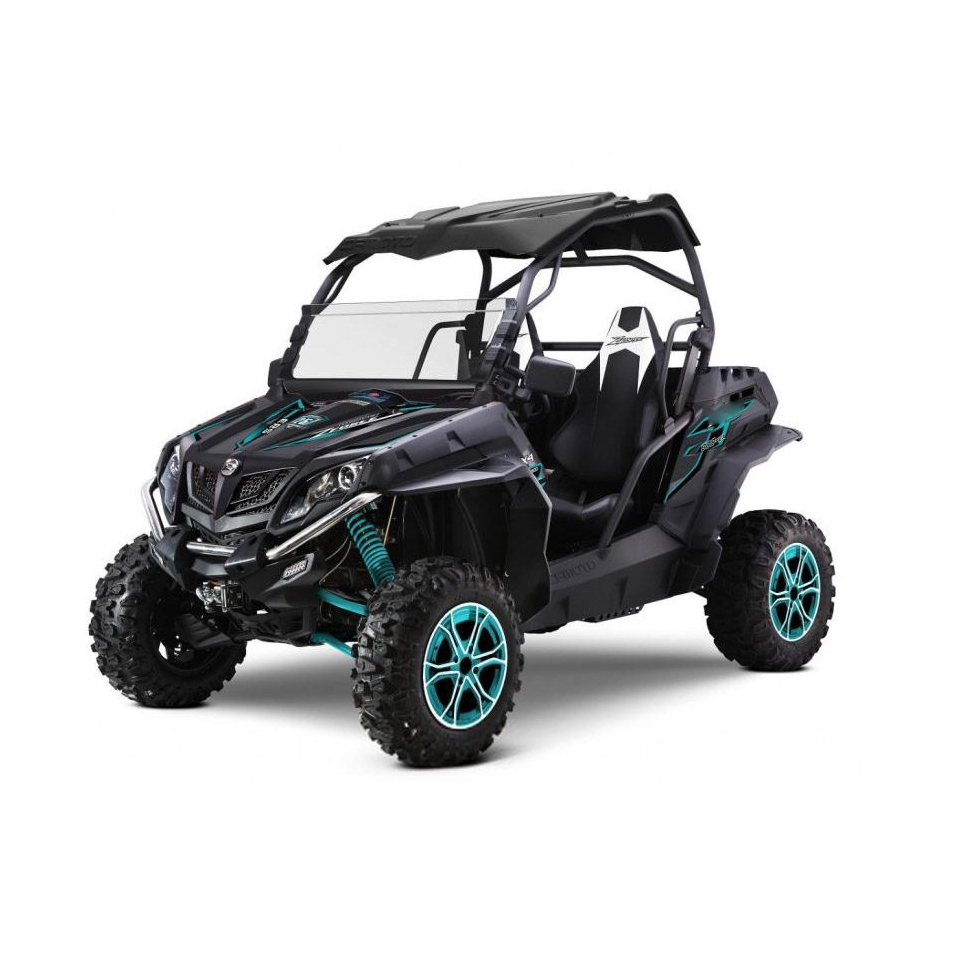
Electric Farm ATV supports that type of work by offering a stable moving platform. Items stay in place during motion when placed properly. Movement stays steady even when ground conditions change slightly along the route.
Typical situations include repeated short transport cycles:
- moving feed between storage and field edges
- carrying tools during repair or maintenance tasks
- shifting irrigation parts between zones
- collecting small batches during harvest movement
Load behavior changes depending on placement. When weight sits unevenly, steering feels different. One side may respond slower, especially on softer soil.
Off Road Farm UTV is often used when load groups become larger. Instead of multiple trips, one movement carries more items together. That difference changes how planning happens inside farm operations.
Balance And Ground Response In Real Use
Balance is not always obvious until movement begins. A slightly uneven load can shift how the vehicle reacts when turning or stopping.
Electric Farm ATV keeps most load areas close to the central frame. That helps reduce sudden changes in direction when ground resistance varies. Even small slopes or soft patches affect steering feel, so stable weight placement becomes part of normal operation.
On Off Road Farm UTV, the wider frame allows load spread across a larger base. That helps during heavier movement, especially on open ground. In tighter farm paths, that same size requires more space to turn or adjust direction.
In real farm conditions, balance is less about numbers and more about how stable movement feels during repeated use.
How Electric Farm ATV And Off Road Farm UTV Differ In Practice
Both machines appear in similar environments, yet daily usage patterns separate them naturally.
Electric Farm ATV tends to stay within short movement loops. It moves between nearby points, often repeating the same path many times. Steering flexibility matters more than load volume.
Off Road Farm UTV takes a different role. Movement is usually longer, carrying grouped materials in fewer trips. Space efficiency becomes more important than tight turning ability.
Simple comparison in real use:
| Use Aspect | Electric Farm ATV | Off Road Farm UTV |
|---|---|---|
| Path Type | Narrow and mixed paths | Wider open routes |
| Load Style | Small repeated loads | Grouped larger loads |
| Movement Pattern | Frequent short trips | Fewer longer trips |
| Steering Feel | More flexible | More stable in open space |
| Space Need | Low | Higher |
Neither replaces the other. They fit different movement patterns inside the same working environment.
Narrow Space Movement Inside Farms
Inside farm structures, space changes quickly. Storage corners, fences, tool sheds, and planting rows create areas where movement becomes restricted.
Electric Farm ATV moves through these areas with less adjustment needed. Smaller turning space allows movement without repositioning many times. That becomes useful when tasks repeat throughout the day.
Off Road Farm UTV can still enter these areas, though movement requires more planning. Load size also affects how easy it is to pass through narrow sections.
In practice, tighter areas usually see more ATV usage, while open sections shift toward UTV movement.
Terrain Changes And Movement Stability
Farm ground does not stay uniform. Soil texture changes depending on weather, usage, and time of day. Some areas feel firm, others softer, and some slightly uneven under wheel pressure.
Electric Farm ATV reacts directly to those changes through wheel contact and suspension movement. Small shifts in ground resistance show up as steering feedback, helping the operator adjust naturally during motion.
Off Road Farm UTV handles uneven ground differently. Larger footprint helps distribute contact, especially on open fields. However, in narrow areas, its size reduces flexibility.
Terrain influence often shows in three ways:
- softer ground increases rolling resistance
- uneven patches affect steering smoothness
- slope areas require careful load balance
Both systems adapt in their own way depending on where they are used inside the farm.
How Aluminum Alloy Components Influence Daily Use Conditions
Farm environments place constant pressure on vehicle parts. Dust, moisture, vibration, and uneven ground work together during operation. Over time, small differences in material choice start to show in how the vehicle feels during movement.
Aluminum alloy components are often used in structural sections where balance between strength and weight matters. A lighter frame section does not mean less stability. In practice, reduced weight often helps steering feel more direct, especially when load changes during the day.
Electric Farm ATV benefits from this kind of structure in repeated short trips. Movement starts and stops many times, and lighter structural response reduces effort during direction changes.
Off Road Farm UTV also uses similar material logic, though application tends to focus more on load-bearing sections. Larger frame areas require stability during longer movement cycles, especially when multiple items are carried together.
In daily use, material behavior is not something observed directly. It is felt through steering response, vibration level, and how the frame reacts under uneven ground.
Maintenance Habits That Affect Long Term Mobility
Maintenance in farm conditions is rarely complex, yet it shapes how equipment performs over time. Dust accumulation, loose connections, and surface wear slowly influence movement quality.
Electric Farm ATV usually benefits from simple routine checks:
- wheel condition after uneven ground use
- connection points near load area
- steering response during low-speed movement
- surface cleaning after muddy paths
These steps do not require detailed procedures. They are more like repeated habits built into daily work flow.
Off Road Farm UTV follows similar patterns, though larger structure means more surface areas exposed to dirt and load pressure. Attention often focuses on load platform and wheel alignment after heavier tasks.
Maintenance influence is not immediate. It builds gradually, showing up later in steering smoothness and load stability rather than sudden failure.
How Daily Movement Patterns Shape Equipment Selection
Farm movement rarely follows a fixed route. Some days require repeated short trips between nearby zones. Other days involve longer transport across open areas.
Electric Farm ATV fits naturally into short movement cycles. The pattern feels continuous rather than heavy. Start, move, stop, repeat. That rhythm matches tasks where items are frequently shifted between close locations.
Off Road Farm UTV becomes more relevant when movement shifts toward grouped transport. Fewer trips, more items per movement. That changes planning inside the farm workflow.
In many real environments, both systems appear together rather than separately. One handles frequent movement, the other handles grouped load cycles.
This balance reduces pressure on a single transport method and allows flexibility when conditions change during the day.
What Operators Notice During Real Farm Use
In actual use, feedback comes from movement rather than technical explanation. Operators often notice differences through steering feel, turning radius, and how the vehicle responds under uneven ground.
Electric Farm ATV usually feels easier to adjust in narrow areas. Small steering input produces quick response. That becomes noticeable when moving through tight paths or between structures.
Off Road Farm UTV feels more stable when fully loaded on open ground. Direction changes feel slower but controlled, especially during longer movement.
Neither feeling is better or worse. They simply match different work conditions.
A simple observation table from field usage patterns:
| Operation Aspect | Electric Farm ATV | Off Road Farm UTV |
|---|---|---|
| Start-Stop Frequency | High repetition | Moderate repetition |
| Load Adjustment | Frequent changes | More stable load setup |
| Path Width Sensitivity | High adaptability | Needs wider space |
| Operator Effort | Light steering input | Steady control required |
| Ground Response Feel | Direct feedback | Dampened movement feel |
How Farm Layout Changes Influence Mobility Systems
Farm layouts are not static. Storage areas expand, planting zones shift, and working paths may change over time. These changes affect how mobility systems are used.
Electric Farm ATV adapts well to changing layouts because of compact movement behavior. When paths shift or become narrower, routing can still continue without major adjustment.
Off Road Farm UTV fits better in more defined routes where space is consistent. When paths are wide and stable, movement efficiency increases with grouped loads.
In practice, layout determines usage frequency rather than machine preference alone.
How Electric Farm ATV And Off Road Farm UTV Work Together
In many farm environments, separation of roles becomes natural. Electric Farm ATV handles repeated short-distance movement. Off Road Farm UTV handles grouped transport over longer paths.
This combination reduces pressure on a single system and helps maintain smoother workflow during busy periods.
Typical division of roles:
- Electric Farm ATV: frequent movement, narrow paths, small loads
- Off Road Farm UTV: grouped transport, open routes, larger load cycles
Together, they form a flexible mobility system inside the same working space.
How Production Focus Relates To Real Farm Conditions
From a production point of view, design choices often reflect field behavior. Frame strength, material selection, and load platform structure are influenced by how vehicles are actually used.
Electric Farm ATV development usually focuses on control response and compact structure. That supports repeated movement in changing terrain conditions.
Off Road Farm UTV development often focuses on load stability and structural balance under longer travel distance.
Aluminum alloy components appear in both systems because they support weight reduction while maintaining structural consistency during uneven ground movement.
Manufacturing adjustments are not only about appearance. They are closely tied to how equipment behaves during daily farm use.
Electric Farm ATV changes how short movement tasks feel inside farm environments. It does not remove physical work, yet it reduces effort in repeated transport between nearby zones.
Off Road Farm UTV continues to serve broader movement tasks where grouped load handling becomes necessary.
In real conditions, both systems function as part of a shared mobility structure inside farms rather than separate solutions. Their value appears through repeated use, terrain adaptation, and how smoothly movement continues during changing daily conditions.








- Building 1 and 2, No. 2269, Jingzhong Road, Hongjia Street, Taizhou, Zhejiang, China
- +86-18857621312
- [email protected]
