
 English
  русский
  عربى
عربى 
How Do Aluminum Alloy Components Improve Performance In Off Road Farm UTV Systems
2026-06-19
A Off Road Farm UTV operates on rough terrain. The vehicle encounters mud, rocks, and steep slopes. The weight of the vehicle affects how it handles these conditions. A lighter vehicle handles better in challenging terrain.
Aluminum alloy weighs less than steel. A component made of aluminum can weigh half as much as the same component in steel. The weight reduction applies across the whole vehicle. The cumulative weight saving improves vehicle performance.
The lighter vehicle puts less stress on the suspension. The suspension components last longer. The tires wear more slowly. The reduced weight also means less fuel consumption or longer battery range.
The maneuverability improves with less weight. A light vehicle turns more easily. The driver feels more control. The vehicle responds quickly to steering inputs. The experience feels more agile compared to a heavier vehicle.
A Off Road Farm UTV carrying a full load of supplies or feed benefits from the weight savings. The vehicle capacity stays the same. The payload capacity becomes a higher percentage of the total vehicle weight. The farm operator moves more material with each trip.
| Component | Aluminum Alloy Weight | Steel Weight | Weight Reduction |
|---|---|---|---|
| Chassis Frame | Lighter | Heavier | Significant |
| Control Arms | Lighter | Heavier | Significant |
| Wheel Hubs | Lighter | Heavier | Moderate |
| Suspension Mounts | Lighter | Heavier | Moderate |
| Body Panels | Light | Moderate | Significant |
| Bumpers | Light | Heavy | Significant |
How Aluminum Alloy Resists Corrosion in Agricultural Environments
Agricultural environments are harsh on vehicle materials. Fertilizers and chemicals contact the vehicle surfaces. Mud and moisture trap against metal components. Steel rusts in these conditions.
Aluminum alloy forms a protective oxide layer. The layer forms naturally when aluminum contacts air. The oxide layer prevents further corrosion. The layer reforms if scratched or damaged.
The corrosion resistance of aluminum extends vehicle life. A Off Road Farm UTV with aluminum components does not rust away. The structural integrity stays intact. The vehicle lasts longer with less degradation.
The farm environment includes manure and other organic materials. These materials hold moisture against metal surfaces. Steel components rust from the trapped moisture. Aluminum components resist the rusting process.
Salt used for de icing or from coastal areas also causes corrosion. Aluminum handles salt exposure better than steel. The oxide layer protects the metal from salt attack. The vehicle continues to perform without structural weakening.
The maintenance schedule reduces with aluminum components. No rust removal or painting needed. The operator spends less time on maintenance tasks. The vehicle spends more time working in the field.
Why Strength to Weight Ratio Matters for Load Carrying
A farm vehicle carries heavy loads. The components must handle the load without failing. The material strength determines the load capacity. The material weight affects the vehicle efficiency.
Aluminum alloy offers a favorable strength to weight ratio. The material provides sufficient strength for most components. The weight remains low. The combination works well for farm vehicles.
The chassis carries the entire vehicle load. Aluminum chassis design uses the material efficiently. The chassis stiffness comes from the shape and thickness. Less material weight means more payload capacity.
The suspension components experience dynamic loads. The shocks from rough terrain stress the components. Aluminum alloy handles these loads when designed properly. The material absorbs the shock without breaking.
The strength to weight ratio allows more payload. A Off Road Farm UTV with aluminum components carries more than a steel counterpart of the same gross vehicle weight. The operator loads more feed, tools, or supplies.
The material also provides toughness. Aluminum alloy absorbs impact without shattering. A rock strike or a bump does not break the component. The vehicle keeps working after minor impacts.
How Aluminum Components Reduce Vibration and Operator Fatigue
Rough terrain transfers vibration to the vehicle. The vibration travels through the chassis to the operator. The continuous vibration causes fatigue over time. The operator tires faster on longer work days.
Aluminum alloy absorbs vibration differently than steel. The material has natural damping properties. The vibration energy dissipates through the material structure. The operator feels less vibration.
The vehicle components also vibrate less. Aluminum parts weigh less and have different natural frequencies. The critical vibration frequencies shift away from the operating range. The whole vehicle operates more smoothly.
The chassis design takes advantage of aluminum properties. The frame flexes slightly to absorb bumps. The flex reduces the shock transmitted to the cab. The operator rides more comfortably.
An Electric Farm ATV with aluminum components benefits from reduced vibration. The electric powertrain already runs quietly. The aluminum chassis adds to the smooth ride. The operator experiences less noise and less vibration.
The reduced fatigue means better productivity. The operator stays fresh longer. The work gets done faster with fewer breaks. The farm operation runs more efficiently.
What Thermal Properties of Aluminum Benefit Electric Farm ATV Systems
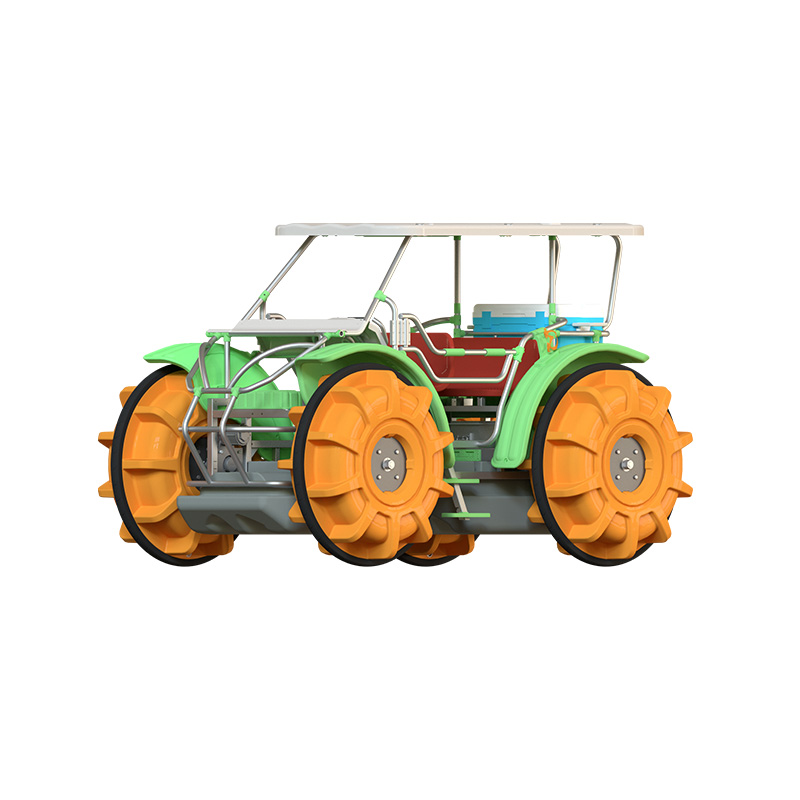
An Electric Farm ATV generates heat during operation. The battery pack produces heat during discharge and charging. The motor produces heat from electrical losses. The heat must dissipate to prevent damage.
Aluminum alloy conducts heat well. The thermal conductivity of aluminum is higher than steel. The heat moves away from the source quickly. The components stay at lower temperatures.
The battery housing benefits from aluminum construction. The housing dissipates heat from the battery cells. The cells stay within the operating temperature range. The battery life extends with proper temperature management.
The motor housing also uses aluminum. The motor heat transfers to the housing. The housing surface area releases heat to the air. The motor runs cooler under load.
The thermal expansion of aluminum matches other components. The expansion rate is predictable. The clearances stay consistent across temperature ranges. The connections remain tight without binding.
The cooling system efficiency improves with aluminum. Radiators made of aluminum transfer heat faster. The cooling system rejects more heat with the same air flow. The Electric Farm ATV stays cool during heavy use.
The thermal management also affects charging. The battery charges faster at moderate temperatures. The aluminum housing helps maintain the correct temperature. The vehicle spends less time charging and more time working.
Where Aluminum Alloy Fits in the Chassis and Suspension
A Off Road Farm UTV relies on its chassis and suspension to handle rough ground. The chassis gives the vehicle its shape and strength. The suspension connects the wheels to the chassis and absorbs the shocks from uneven terrain. Aluminum appears in both places in well designed modern vehicles.
The frame uses aluminum extrusions and fabricated sheets. The structure provides the necessary stiffness without carrying extra weight. Cross members and rails work together to support the cab, the cargo area, and the powertrain. The frame does its job while keeping the overall vehicle mass under control.
Suspension parts also take advantage of aluminum's properties. Control arms locate the wheels and allow vertical movement. Links connect various suspension components to the chassis. Lighter suspension parts respond faster to changes in the terrain. The wheels stay planted more consistently on uneven ground.
The rotating parts near the wheels benefit especially from aluminum. Hubs and knuckles turn with the wheels. Reducing the mass of these rotating components improves acceleration and braking. The vehicle responds more directly to driver inputs.
Steering parts become easier to move with aluminum construction. Knuckles and tie rod ends carry less weight. The driver turns the wheel with less effort. The whole steering system feels more precise and less heavy.
All these chassis and suspension components work together. Each piece contributes to a vehicle that moves confidently across fields, through mud, and over rocky trails.
Why Durability Improves with Modern Aluminum Alloy Formulations
Today's aluminum alloys bear little resemblance to the simple materials used decades ago. Metallurgists have refined the combinations of elements that go into each alloy. The resulting materials offer better performance across every measure.
Some alloys gain their strength from magnesium and silicon. These combinations respond well to heat treatment. The treated material achieves properties that match or approach those of steel in many applications. Other alloys use zinc and magnesium for even higher strength levels. These materials handle the stresses of heavy farm work without failing.
The selection of a particular alloy depends on the job it must do. A chassis component needs different properties than a suspension arm. The manufacturer chooses the right alloy for each specific use. The material matches the demands placed on it.
Modern alloys also resist the kind of damage that comes from repeated loading. Every bump and dip in the field sends stress through the vehicle structure. Aluminum components withstand this cyclic stress without developing cracks. The material keeps working long after lesser materials would have failed.
The processing of these alloys matters as much as their composition. Heat treatment and aging create the final material properties. The manufacturer controls these processes carefully. The resulting components meet the durability needs of farm work.
The payoff comes in fewer breakdowns. A farmer who invests in a UTV with aluminum components spends less time repairing broken parts. The vehicle stays in the field rather than in the workshop.
How Aluminum Components Affect Maintenance Frequency
Farm equipment demands attention. Greasing, adjusting, and replacing parts take time away from productive work. Aluminum components change the maintenance equation in several ways.
The corrosion resistance of aluminum removes one whole category of maintenance. No scraping rust from steel surfaces. No applying protective coatings. No painting over corroded areas. The aluminum parts simply stay clean and functional without this attention.
The lighter weight of aluminum reduces the strain on related components. Tires experience less wear from carrying a lighter vehicle. Bushings and bearings last longer without the extra load. The drivetrain components face less stress from acceleration and deceleration. All these related parts need service less often.
The fatigue characteristics of aluminum mean fewer replacements. A steel part might fail after years of vibration and loading. An aluminum part under the same conditions keeps working. The intervals between replacements stretch out significantly.
Aluminum components also allow easier inspection. Many aluminum parts sit exposed where they can be seen without removing other covers. The operator checks them quickly during routine walk arounds. Problems get spotted early before they become serious.
The maintenance schedule for a vehicle with aluminum parts shifts attention elsewhere. The operator focuses on the few remaining steel parts and on the powertrain. The aluminum components require only periodic cleaning and occasional torque checks. The whole maintenance process becomes simpler and faster.
What Role Aluminum Plays in Extending Vehicle Service Life
A Off Road Farm UTV represents a significant purchase. The owner expects many years of service from that investment. Aluminum contributes directly to that long service life through multiple mechanisms.
The structure stays intact because aluminum resists the environmental attack that destroys steel. Rust does not eat away at chassis rails or suspension arms. The strength of the structure remains constant throughout the vehicle's working life. No hidden corrosion weakens critical components.
The material resists the gradual damage from repeated loading. Farm work subjects vehicles to countless cycles of stress. Aluminum components endure these cycles without developing cracks. The structure remains sound year after year.
The stability of aluminum under various conditions helps as well. Components hold their shape and alignment. A chassis that stays straight keeps the whole vehicle working correctly. Wheel alignment stays true. Suspension geometry remains accurate.
Components last longer because they wear more slowly. The reduced weight means less force acting on moving parts. The better fatigue resistance means fewer cracks. The corrosion resistance means no strength loss from rust. Each factor contributes to longer component life.
The vehicle retains value better at resale time. Buyers recognize the durability advantages of aluminum construction. They pay more for a vehicle that will continue to serve them well. The original owner recovers more of the initial investment.
Over the full service life, the total cost of ownership decreases. The higher purchase price gets offset by lower maintenance, fewer repairs, and better resale value. The farm owner saves money while enjoying a better vehicle.
How a Off Road Farm UTV Manufacturer Selects Aluminum Alloys for Different Parts
A manufacturer does not use the same aluminum everywhere. Different parts have different needs. The selection process matches material properties to component requirements.
Structural parts demand high strength. The chassis frame and suspension components carry the loads of the whole vehicle. These parts receive alloys that provide the necessary strength. The material must handle both static loads and dynamic impacts without failing.
Parts that show on the exterior need appearance properties. Body panels and trim should look good and stay looking good. These components receive alloys that take paint well and resist surface damage. The aesthetic requirements shape the material choice just as much as the structural ones.
Components involved with heat management require thermal conductivity. Motor housings and battery enclosures need to transfer heat away from sensitive parts. These applications receive alloys with high thermal conductivity. The heat moves away efficiently.
The joining process also influences alloy selection. Some alloys weld together readily. Others need mechanical fasteners or adhesives. The manufacturer considers the assembly method when choosing materials. The alloy must work with the production process.
Cost plays a role in the selection process. Higher performance alloys cost more. The manufacturer balances the performance needs against the price target. The final vehicle must offer good value to the buyer.
The manufacturer validates the choices through testing. Prototype components go through durability testing. The testing confirms that the selected alloys perform as expected. Only then does the manufacturer commit to production. The farmer who buys the vehicle gets a thoroughly proven product.








- Building 1 and 2, No. 2269, Jingzhong Road, Hongjia Street, Taizhou, Zhejiang, China
- +86-18857621312
- [email protected]
