
 English
  русский
  عربى
عربى 
What Tire Type Suits an Electric Farm ATV on Soft Soil
2026-08-14
Soft agricultural ground behaves differently from compact paths or paved surfaces. Moist soil can become sticky, while loose dry ground may allow a tire to sink instead of moving forward smoothly. After rain, a familiar field route can also develop ruts that change steering and vehicle stability.
For an Electric Farm ATV, tire selection therefore needs to match the ground rather than focus only on vehicle appearance. Tread shape, contact area, tire pressure, sidewall construction, and vehicle load all influence how the machine moves across soft ground.
A suitable tire needs to balance several needs:
- Forward traction
- Steering control
- Ground contact
- Resistance to sinking
- Stable movement across uneven areas
- Reasonable soil disturbance
Soft soil creates a simple problem: too little contact can cause sinking, while insufficient tread engagement can lead to wheel spin. A tire that grips well on hard ground may not behave in the same way on loose field surfaces.
Route conditions also matter. Farm work rarely takes place on one surface alone. Grass, mud, loose soil, gravel, and hard access roads may appear along the same journey, making tire selection a matter of practical compromise.
What Tire Characteristics Matter on Soft Farm Ground
Tire performance comes from several features working together. Tread design receives much attention, although contact area and tire construction can be equally important.
Open tread patterns leave larger spaces between tread sections. Loose soil and mud can move through those spaces during rotation, helping the tire maintain contact with firmer ground underneath.
Closely spaced tread patterns behave differently. Such designs can provide a smoother contact surface on firmer ground, although loose soil may fill the gaps more easily.
Sidewall construction also influences how a tire reacts to uneven ground. A tire with some flexibility can follow changes in the surface, while a stiffer construction may transmit more movement back into the vehicle.
For agricultural use, several characteristics deserve consideration:
- Tread pattern
Controls how the tire interacts with soil and mud. - Contact area
Affects how vehicle weight is distributed across the ground. - Sidewall construction
Influences how the tire responds to uneven surfaces and loads. - Pressure condition
Changes the footprint and contact behavior. - Overall construction
Needs to match the expected working environment and vehicle requirements.
Choosing a tire only by looking at tread depth can therefore give an incomplete picture. A deep tread may provide useful traction in mud, while a different pattern may offer more balanced behavior across mixed farm routes.
How Do Tread Patterns Affect Soft Soil Traction
Tread design determines how the tire grips the ground during rotation. On soft soil, open spaces between lugs can help prevent mud from filling the entire tread surface.
A tire with widely separated tread sections can press into loose ground and create points of mechanical contact. As the wheel rotates, soil can leave the tread spaces rather than remaining packed around the surface.
Tread direction also affects movement. Some patterns are arranged to support forward traction, while others place greater attention on steering and lateral stability.
| Tread Pattern | Typical Ground Behavior |
|---|---|
| Open lugs | Allows loose soil and mud to move through tread spaces |
| Closely spaced blocks | Provides a smoother contact pattern on firmer surfaces |
| Wider tread layout | Can support contact across loose ground |
| Mixed tread pattern | Suits routes containing several surface types |
Very aggressive tread is not automatically suitable for every farm route. Large lugs may disturb soft soil more and can feel different when the vehicle reaches gravel or a hard access road.
A balanced tread may therefore make sense for farms where field work is followed by travel along compact paths. Actual terrain should guide the choice.
Why Does Ground Contact Area Matter
Ground contact affects how vehicle weight reaches the soil. A narrow contact area can place more pressure on a small section of ground, increasing the chance of sinking in loose soil.
A broader footprint spreads weight across a larger surface. Such an arrangement can help a vehicle remain closer to the surface, especially where soil has limited ability to support concentrated loads.
Tire width contributes to contact area, although width alone does not determine performance. Inflation condition, tire construction, vehicle weight, and load all influence the final footprint.
For farm work, ground contact has another side. A tire that sinks deeply can leave tracks that remain visible after the vehicle has passed. Repeated travel over wet ground may also disturb the soil structure.
Good tire selection therefore considers both movement and ground impact. A tire needs enough traction to move the vehicle while maintaining suitable contact with the field surface.
How Does Tire Pressure Affect an Electric Farm ATV
Tire pressure changes how much of the tire touches the ground. A tire with suitable pressure can maintain a contact pattern that matches the vehicle and working conditions.
Lower pressure can increase the footprint in some applications, allowing weight to spread across more ground. Too little pressure, however, can affect steering response, stability, and tire support.
Higher pressure can produce a firmer tire shape with a smaller contact area. Such a setup may feel more responsive on hard surfaces, although soft soil can respond differently.
Pressure should follow the tire and vehicle requirements rather than a general rule. Load conditions also matter because a working vehicle carrying tools or materials behaves differently from an unloaded vehicle.
Before entering soft ground, practical checks can include:
- Tire condition
- Inflation condition
- Vehicle load
- Surface moisture
- Expected travel distance
- Changes between field and road surfaces
Pressure should be considered together with tread and tire construction rather than treated as an isolated adjustment.
Which Tire Type Fits Different Soft Soil Conditions
Soft soil is not one single type of terrain. Mud, loose dry soil, sandy ground, wet grass, and mixed farm tracks each create different demands.
- Mud-oriented tires
Open tread patterns can help release wet soil from the tread while providing noticeable engagement with the ground. - Sand-oriented tires
Broader contact can help reduce sinking in loose, dry surfaces. A pattern designed around flotation may behave differently from a mud-focused design. - All-terrain patterns
Mixed tread arrangements can suit farms where vehicles move between soil, grass, gravel, and compact paths. - Farm utility tires
Construction may place greater attention on carrying loads and handling uneven agricultural surfaces rather than recreational driving.
For an Electric Farm ATV, route planning can be just as important as tread choice. A machine that spends most of its working time on soft fields may need different tire characteristics from one that regularly moves between barns, gravel lanes, grass, and fields.
No single tread arrangement suits every surface. Actual ground conditions, vehicle load, and daily travel pattern should remain part of the selection process.
How Does an Off Road Farm UTV Compare in Soft Soil Use
An Off Road Farm UTV can face many of the same ground conditions as an ATV, although vehicle size, weight, carrying needs, and tire loading may differ. Soft soil places pressure on all four factors, so a tire choice that works for one vehicle cannot simply be transferred to another without checking the application.
A utility vehicle carrying tools or farm materials may place more weight on its tires. Extra load changes ground contact and can increase the chance of sinking on wet or loose surfaces.
ATV use often involves narrower routes and lighter loads, while a utility vehicle may travel with equipment or several occupants. Such differences affect how tire width, tread shape, and pressure should be considered.
For mixed farm work, useful questions include:
- How much weight will the vehicle carry?
- Will travel remain on field paths?
- Are muddy areas common?
- Will the vehicle also use gravel or paved access roads?
- How often will tire conditions change?
Similar terrain does not mean identical tire requirements. Vehicle characteristics need to be considered together with soil conditions.
What Role Does Tire Construction Play in Farm Work
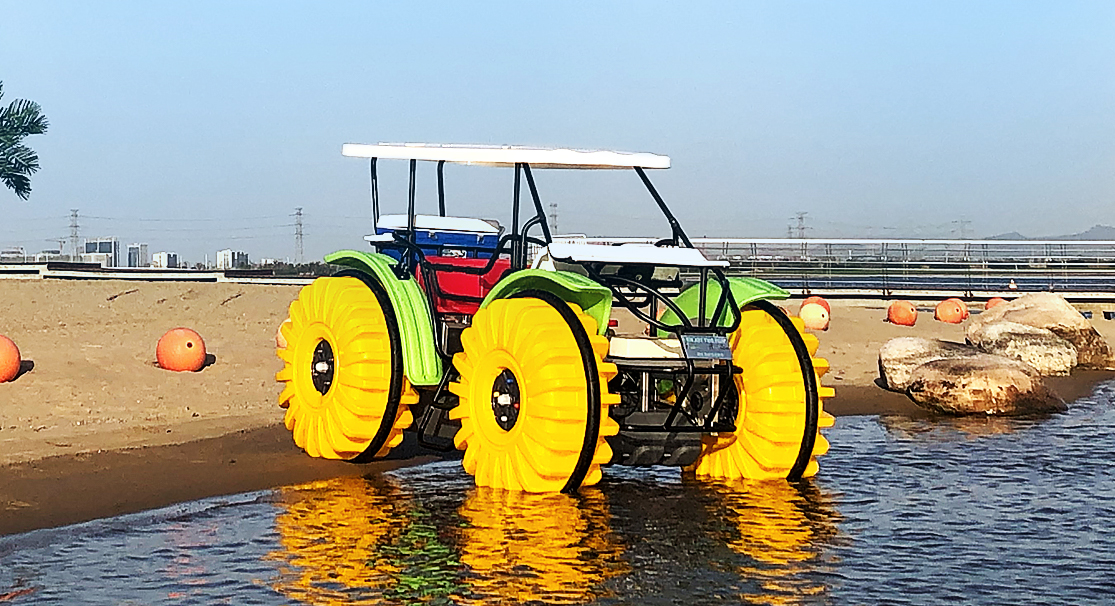
Tread pattern receives attention because it is easy to see, while tire construction also has a strong influence on daily handling. Sidewalls, internal structure, and overall shape affect how a tire responds to uneven ground and changing loads.
Farm routes can contain roots, stones, branches, rough edges, and other objects that are less common on prepared roads. Repeated contact with such surfaces places different demands on a tire than ordinary road travel.
Sidewall flexibility can affect how a tire follows uneven ground. A suitable balance can help maintain contact while allowing the tire to respond to changes in surface height.
Construction also needs to suit the vehicle load. Carrying equipment across a field creates different conditions from moving an unloaded vehicle between buildings.
Practical inspection can focus on:
- Cuts around the sidewall
- Visible tread damage
- Objects trapped in tread spaces
- Uneven wear
- Changes in tire shape
- Signs of impact
Regular checks become especially useful when a vehicle works around rough agricultural surfaces. Small damage can become more noticeable after repeated contact with stones, roots, or hard edges.
How Can Tire Choice Affect Soil Condition
Tire selection affects more than vehicle movement. Contact between rubber and soil can change the condition of the surface, particularly when a vehicle repeatedly follows the same route.
Heavy pressure over a small contact area can push soil downward. Wet ground may be more sensitive because its structure can change under repeated traffic.
A broader contact area can spread vehicle weight across more soil. Tread design also influences how much soil is displaced during acceleration, turning, and braking.
For agricultural routes, operators can reduce unnecessary disturbance by:
- Avoiding travel across very wet ground when practical
- Keeping loads suitable for the vehicle
- Using appropriate tire pressure
- Choosing routes with stable ground
- Avoiding repeated sharp turns on soft surfaces
- Following existing farm tracks when suitable
Traction and soil protection need to be considered together. A tire that spins repeatedly can disturb more soil than one that maintains steady movement.
How Should Tires Be Matched to Daily Farm Routes
A farm vehicle may start on a compact yard, move across grass, enter a field, cross a muddy section, and return along a gravel lane. Such a route creates several different tire requirements during one trip.
Field soil may call for stronger tread engagement, while gravel can produce more vibration and impact. Hard surfaces also create different wear patterns from soft ground.
For mixed routes, a balanced tread can provide practical handling across several surfaces. Farms with a strong focus on muddy fields may have different needs from operations where vehicles spend equal time on grass, gravel, and soil.
Seasonal ground changes can also affect route conditions. A dry field can become soft after rainfall, while a muddy track may firm up after extended dry weather.
Route planning can therefore support tire performance. Tire selection should reflect the conditions that occur regularly rather than a single unusual surface.
What Should Be Checked Before Choosing Tires
Selecting tires for an Electric Farm ATV starts with the vehicle and then moves toward the working environment. A tire that appears suitable visually may still require compatibility checks before use.
Several points deserve attention:
- Vehicle compatibility
Check the tire size, wheel fit, and requirements specified for the vehicle. - Load requirements
Consider the normal weight carried during farm work, including tools and materials. - Ground conditions
Identify whether the route includes mud, sand, grass, loose soil, gravel, or firm ground. - Tread design
Consider whether the pattern is intended for the surfaces encountered during daily work. - Pressure requirements
Follow the tire and vehicle guidance rather than using a general pressure assumption. - Sidewall construction
Consider exposure to stones, roots, uneven ground, and repeated impacts. - Travel pattern
A field-only vehicle may need different characteristics from one that regularly travels between roads and agricultural areas.
A clear picture of daily use makes tire selection easier and reduces the chance of choosing a design based only on appearance.
Why Does the Right Tire Depend on More Than Soft Soil
Soft soil is an important factor, although it does not provide the complete picture. Soil moisture, ground firmness, vehicle weight, load, tire pressure, tread layout, and travel route all interact during normal operation.
For an Electric Farm ATV, traction needs to be balanced with steering control and ground contact. A tire that digs deeply into wet soil may provide strong forward engagement while also leaving deeper tracks. A tire with a broad footprint may reduce sinking while requiring a tread design that still provides enough grip.
An Off Road Farm UTV introduces another set of considerations because greater carrying capacity can change tire loading and ground pressure. Vehicle characteristics should therefore remain part of the tire selection process.
A practical approach is to look at the full working route:
- Vehicle → Load → Soil → Tread → Contact Area → Pressure → Handling
Each part affects how the next one behaves. Ignoring one factor can make an otherwise reasonable tire choice less suitable for actual field work.
How Can Farm Operators Maintain Suitable Tire Performance
Tire selection is only one part of ongoing use. Condition can change through repeated contact with mud, gravel, roots, stones, and hard surfaces.
Cleaning can make tread inspection easier, especially when soil remains packed between tread sections. Pressure checks can also help identify changes before a vehicle enters soft ground.
Operators can pay attention to unusual handling. Changes in steering response, vibration, or traction may indicate a need for inspection rather than simply a change in driving style.
Useful habits include:
- Inspect tires before demanding field work
- Remove trapped stones or soil when appropriate
- Check pressure according to vehicle guidance
- Watch for cuts and sidewall damage
- Avoid carrying loads beyond vehicle requirements
- Adjust travel routes when ground conditions change
Such practices help keep tire behavior consistent during ordinary agricultural work.
Which Factors Should Guide Tire Selection
Choosing a tire for soft farm soil is less about finding one tread shape and more about matching several conditions. Mud, sand, grass, loose soil, gravel, and hard roads can each change how a vehicle interacts with the ground.
For an Electric Farm ATV, tread pattern, contact area, pressure, construction, load, and steering behavior should be considered together. A suitable design for soft ground also needs to fit the vehicle itself and the routes it regularly travels.
For an Off Road Farm UTV, carrying demands and vehicle weight add another layer to the decision. Similar soil does not guarantee identical tire requirements.
Soft soil therefore provides a starting point rather than a complete answer. Looking at the vehicle, working load, ground condition, tread layout, tire construction, pressure, and daily route together gives a clearer basis for selecting tires for agricultural use.







- Building 1 and 2, No. 2269, Jingzhong Road, Hongjia Street, Taizhou, Zhejiang, China
- +86-18857621312
- [email protected]
