
 English
 русский
 عربى

Why Are Electric Sightseeing Carts Ideal for Resorts
2026-11-03
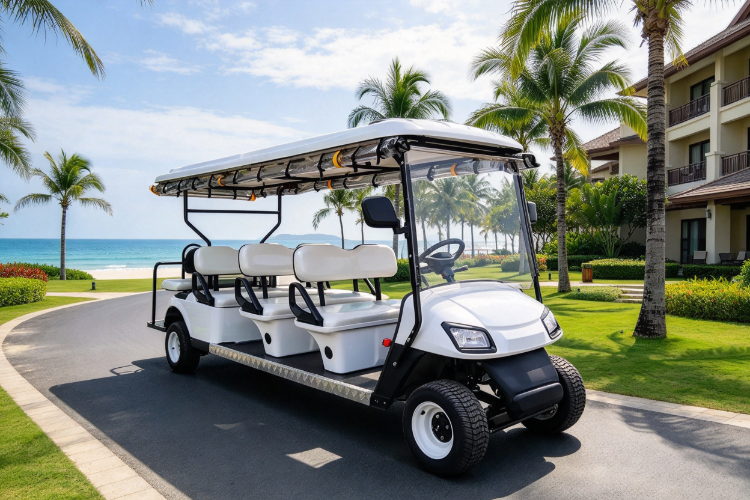
Guests rarely remember the walk from the lobby to a far-off villa, but they do remember being tired, hot or stuck with luggage. On a large property, how people get around shapes the whole stay. That is why more resorts are adding an Electric Sightseeing Cart to their fleet. It links rooms, restaurants, beaches and pools quietly, and it does so without a full-size shuttle bus.
For operators, transport is also a daily operations question. It affects staffing, noise levels, guest comfort and how easy each facility is to reach. Electric carts speak to all of these.
The Problem With Big Layouts
Many resorts spread out their rooms, pools, gardens, conference space and parking. Walking between them is pleasant for some guests and a chore for others, especially families with small children, older visitors or anyone carrying bags.
An internal service usually covers a handful of needs:
- taking guests from reception to their building,
- reaching restaurants and activity areas,
- collecting visitors from parking,
- moving families between beach, pool and entertainment zones,
- helping staff cross the property quickly.
Guest expectations are shifting too. Travelers care about convenience, accessibility and a property's environmental habits. A quiet electric cart suits suitable internal routes far better than a noisy fuel-powered vehicle, and it makes transport feel like part of the service instead of an afterthought.
Why Electric Carts Fit Resort Life
An Electric Sightseeing Cart is a battery-powered passenger vehicle built for short, designated routes. Three features explain its appeal.
- Quiet running. Engine noise breaks the calm around guest rooms, pools and outdoor dining. Electric drive removes it, and there are no tailpipe emissions during operation. Resorts with environmental goals often see this as one small piece of a bigger effort.
- Flexible layouts. A small inn may need one compact cart for occasional transfers, while a large holiday complex needs vehicles for families and tour groups. Seating layouts and body styles vary, so operators can match capacity to demand.
- A different maintenance profile. With no combustion engine, there are no oil changes or fuel-system service. Batteries, tires, brakes, suspension, wiring and chargers still need regular checks. A written schedule based on the manufacturer's guidance keeps vehicles available.
What Guests Notice
Convenient transfers open up the property. A cart fills the gap between “too far to walk” and “not worth a bus,” such as from reception to a distant building or from parking to the beach. It helps families with children, older visitors, people with limited stamina and anyone carrying luggage. Designs should allow easy entry and exit, solid handholds and comfortable seats.
The ride itself can be part of the experience. Open-sided carts let guests enjoy gardens and waterfront views, while enclosed or weather-protected versions suit changeable climates. Some resorts run fixed loops, others dispatch carts through reception, and electric models handle both. Matching availability to requests and activity schedules cuts unnecessary driving.
Electric Versus Fuel-Powered
| Factor | Electric cart | Fuel-powered vehicle |
|---|---|---|
| Power | Rechargeable battery | Gasoline or diesel |
| Noise | Generally quieter | Engine noise |
| Tailpipe emissions | None in operation | Exhaust emissions |
| Best routes | Designated internal paths | Depends on size and road |
| Routine upkeep | Battery and electrical checks | Engine and fuel servicing |
Electric carts do not replace every vehicle. Large luggage runs, public-road trips and long distances still call for conventional vehicles or buses. A sensible fleet mixes types: shuttle buses for airport transfers, carts for short hops, and utility vehicles for supplies and maintenance.
Passenger Golf Cart or Multi Passenger Golf Cart?
The choice depends on how many people ride, how often the vehicle runs and where it goes.
Passenger Golf Cart
A Passenger Golf Cart has a compact seating layout. It suits individual guests and small groups, links reception with accommodation, helps older visitors and works well for staff assisting with bags. Its smaller size helps on narrow pathways. Check seat comfort, battery capacity, braking and whether the dimensions suit your routes.
Multi Passenger Golf Cart
A Multi Passenger Golf Cart carries a larger group through expanded seating. It fits families, tour groups, event transfers, scenic sightseeing and regular runs between distant facilities. Boarding should be easy and the layout should leave enough space and safety provisions.
| Factor | Passenger Golf Cart | Multi Passenger Golf Cart |
|---|---|---|
| Seating | Compact | Expanded |
| Main use | Individuals, small groups | Group transport |
| Size | Often more compact | Depends on configuration |
| Typical sites | Hotels, smaller resorts | Large resorts, attractions |
| Key concern | Maneuverability, comfort | Capacity, passenger safety |
Actual capacity depends on the model, so rely on manufacturer specifications instead of assuming every cart in a category seats the same number.
To decide, work through five steps:
- Identify who usually asks for rides: individuals, families or groups.
- Map routes, noting width, surface, turning areas, slopes and stops.
- Review daily peaks such as check-in, mealtimes and evening services.
- Decide how much luggage space you need.
- Compare seating, dimensions, battery and safety equipment.
Many resorts use both types for different jobs.
Where These Carts Work
Hotels and Resorts
Hotels and resorts use them to connect reception, rooms, restaurants and recreation. A Passenger Golf Cart handles individual transfers while a larger one carries families and groups.
Beach and Island Resorts
Beach and island resorts value quiet travel along landscaped paths. In coastal air, consider corrosion protection, weather resistance, tires and battery care.
Golf Resorts and Leisure Communities
Golf resorts and leisure communities have interconnected roads, clubhouses and amenities, and carts can also serve facility management when designed for it.
Tourist Attractions
Tourist attractions with spread-out visitor areas can run organized tours between stops. Plan routes, give passengers clear instructions and set rules for sharing paths with pedestrians.
What to Check Before Buying
Treat the cart as part of your transport system, not just a purchase.
Seating
Estimate typical passengers per trip, whether children ride, how much luggage is carried and how easy boarding is. Capacity must match manufacturer specifications and local rules.
Battery and Range
Review battery type, rated capacity, expected range, charging time and equipment, service needs and spare-part availability. Range changes with passenger load, terrain, temperature, driving style and battery condition, so test the stated figures against your own routes.
Motor and Terrain
Slopes, uneven ground and wet weather demand more from a cart. Judge motor power, braking, tires and suspension together. A vehicle that climbs regularly needs a different setup from one on flat pavement.
Safety
Look for seat belts where specified, dependable brakes, lights and warning signals, stable seats and handholds, suitable tires, mirrors and good visibility. Add operator training, designated routes, speed limits and boarding rules.
Customization
Suppliers may offer colors, branding, seating materials, weather protection, storage, lighting and battery options. Base choices on real needs, not looks alone.
After-Sales Support
Ask about warranty, battery and parts supply, maintenance documents, technical help and delivery or commissioning. A clear service agreement makes repairs easier to plan.
Is It a Sound Investment?
Judge the cart by how it supports daily operations and guest satisfaction. Once managers understand demand and travel patterns, they can assign vehicles sensibly: smaller carts for single transfers, a Multi Passenger Golf Cart for groups and busy periods.
Accessibility deserves real attention. Look beyond seat count to boarding ease, handholds, legroom, clear instructions and suitable stopping points. Where a standard cart cannot take a wheelchair user, arrange an alternative. Judge the actual design, not the mere presence of seats.
Sustainability also depends on the whole picture, including the electricity source, battery production, upkeep and end-of-life handling. Plan charging, utilization and maintenance with that in mind.
Choosing the Right Fit
Every property is different. A compact Passenger Golf Cart suits short guest transfers, while a Multi Passenger Golf Cart is the better pick for group sightseeing and regular internal runs. Before choosing an Electric Sightseeing Cart, review capacity needs, layout, driving conditions, charging arrangements, safety expectations and after-sales support. Then ask suppliers for specifications, seating options, battery details and customization choices that match your daily transport needs.





- Building 1 and 2, No. 2269, Jingzhong Road, Hongjia Street, Taizhou, Zhejiang, China
- +86-18857621312
- [email protected]
