
 English
  русский
  عربى
عربى 
What Professional Ski Equipment Includes Beyond Skis and Poles
2026-07-14
Skiing is usually introduced through skis and poles, yet a real skiing setup reaches far beyond those two items. Cold weather, shifting snow, wind on open slopes, and long periods outdoors all place different demands on the body, so clothing, protection, and small support items become part of the equipment in a practical way rather than an optional extra. A skier who leaves out those details may still stand on snow, though comfort, balance, and daily use often become harder to manage.
Professional Ski Equipment therefore includes the parts that help skiing feel manageable in ordinary conditions. Boots connect the body to the skis, gloves keep hands usable in the cold, goggles help maintain visibility when light changes quickly, and jackets and pants create a barrier between the body and the weather outside. A complete setup works less like a collection of separate objects and more like a system in which every part supports another.
Many skiing difficulties begin with small things that are easy to overlook. A glove that does not keep warmth, a boot that rubs in the wrong place, or goggles that fog too quickly can change the whole experience after a short time outdoors. Because of that, equipment choices usually depend on how skiing actually feels in practice, not only on how the items look at the store or in a storage room.
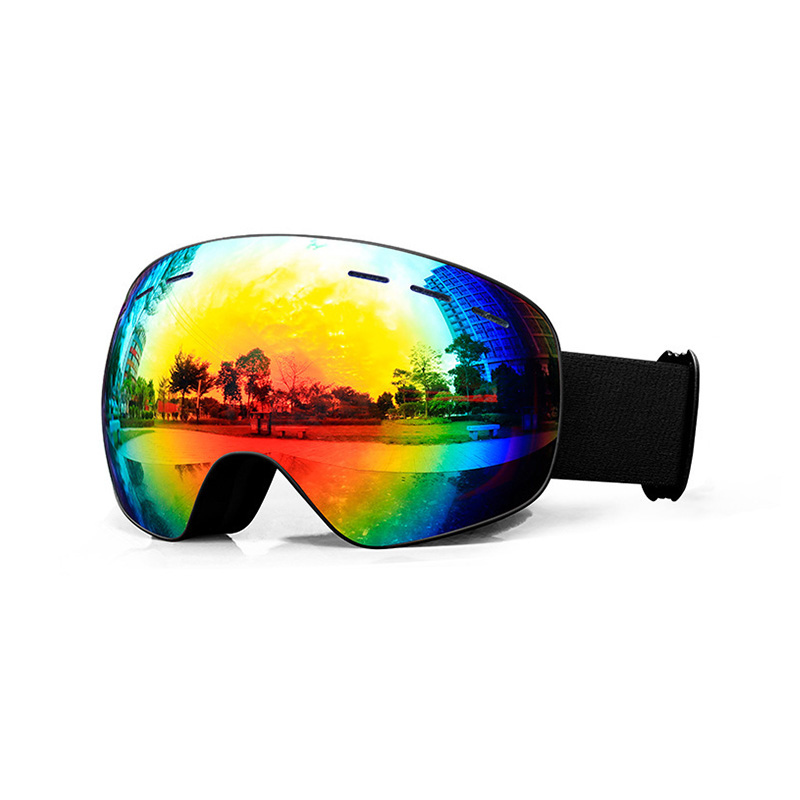
Why Does Ski Equipment Include More Than Skis And Poles
Skis and poles control movement, yet skiing also depends on temperature, visibility, comfort, and body protection. A person spending hours outside in winter conditions needs more than tools for sliding across snow. The clothing and accessories worn during skiing influence whether movement feels steady or tiring, whether the body stays warm enough, and whether the skier can react comfortably to changing conditions.
Outdoor weather can shift during a single outing. Wind may increase, snowfall may become heavier, and sunlight may reflect off the snow in a way that makes the eyes feel strained. Equipment around the body helps handle those changes by creating a more controlled environment.
Several practical needs usually shape a full skiing setup.
- keeping the body warm during long outdoor exposure
- allowing movement without heavy restriction
- protecting the head, eyes, hands, and lower body
- helping vision stay clear across changing conditions
- supporting balance and control during turns and stops
Each part contributes in a different way. Boots connect movement with the skis, gloves allow hands to remain active while holding poles, goggles support clear sight, and outer clothing creates a layer between the body and the weather. When one of those parts does not fit the activity, the whole experience may feel less smooth, even when the skis themselves are suitable.
A full setup is useful because skiing involves more than standing still on snow. Turning, walking, adjusting position, carrying equipment, and waiting in cold air all place different demands on the body. Equipment that handles only one part of the activity rarely feels complete in daily use.
What Protective Gear Is Included In Professional Ski Equipment
Protection plays a quiet but important role in skiing. Movement happens on uneven snow, in changing light, and in conditions where wind and cold are part of the ordinary environment. Suitable protective items do not remove every concern, yet they support a more comfortable and prepared outing.
A helmet is one of the more familiar protective items in skiing. Fit matters because a helmet should stay in place while moving and still feel comfortable during longer use. A loose fit can distract the wearer, while an overly tight fit may create pressure that becomes noticeable after a while.
Eye protection is equally practical. Snow can reflect light strongly, cloudy weather can change visibility without warning, and wind may carry particles that make the eyes uncomfortable. Goggles help keep vision more stable during those conditions.
Hands need protection too. Gloves have to do more than provide warmth, since hands also handle poles, equipment straps, and small adjustments during activity. Comfort and flexibility matter because stiff gloves can make simple tasks feel awkward.
| Equipment Category | Main Function | Practical Value During Skiing |
|---|---|---|
| Helmet | Supports head protection | Helps maintain comfort during movement |
| Goggles | Protects eyes from wind and snow | Supports clearer vision outdoors |
| Gloves | Covers and warms hands | Keeps hand movement practical |
| Ski Jacket And Pants | Protects the body from weather | Supports everyday outdoor comfort |
| Protective Accessories | Supports smaller body needs | Adds preparation for different conditions |
Fit and use matter more than appearance alone. A piece of protection that feels fine during a short test may behave differently after time in the cold, especially once movement becomes continuous and body temperature changes.
How Does Ski Clothing Support Comfortable Movement
Ski clothing works as part of the movement system because skiing relies on bending, turning, standing, and shifting balance again and again. Clothing that allows the body to move naturally often feels better than clothing that only looks suitable for winter.
A jacket needs space around the shoulders and arms so upper body movement does not feel blocked. Arms are used constantly for balance, pole handling, and body adjustment, which makes freedom in that area important.
Pants matter in the same way. Knees, hips, and lower legs move continuously while skiing, so clothing in those areas needs to stay flexible enough for natural motion without feeling loose or heavy.
Many skiers use layers because outdoor conditions do not remain fixed. One layer manages moisture from body activity, another layer adds warmth, and an outer layer helps reduce the effect of wind and snow. Layering also allows clothing to be adjusted according to how active the skier feels during the day.
Simple care keeps clothing ready for future use. After skiing, moisture should be removed, garments should be dried in a dry space, and storage should avoid creasing or unnecessary pressure. Small habits like those often make a noticeable difference in how long the clothing remains comfortable.
What Accessories Complete A Professional Ski Equipment Setup
A skiing setup often includes smaller items that are easy to overlook until they are needed. Boots, socks, storage bags, and cleaning tools all affect how smoothly the equipment is used before and after time on the snow.
Ski boots sit at the center of that group because they connect the skier to the skis. A proper fit helps movement feel stable while reducing pressure points that may become uncomfortable during longer use.
Socks also matter inside the boot. Feet stay enclosed for extended periods, so comfort, warmth, and fit all influence how the boots feel during activity.
Storage accessories help keep the rest of the equipment organized. Ski bags and covers reduce the chance of losing small items, while cleaning tools and organizers make it easier to prepare everything for the next outing.
Common accessories may include:
- ski bags
- equipment covers
- cleaning tools
- replacement parts
- storage organizers
Each item solves a small practical issue. Together, they support a skiing routine that feels more organized and easier to repeat.
Why Are Ski Boots An Important Part Of Ski Equipment
Among all items used for skiing, boots often decide how the whole setup feels during actual movement. Skis may carry the body across snow, while boots decide how that movement reaches the skis, how stable the feet feel, and how much pressure is placed on the lower legs during a day outdoors. A pair that fits poorly can turn a simple outing into a tiring one, even when the rest of the equipment seems suitable.
Boot comfort is not only about softness. A good fit usually feels secure around the ankle, stable around the heel, and comfortable enough around the toes for long periods of wear. Small pressure points may not seem important during the first few minutes, though after walking in cold conditions or standing on snow for a longer time, those details begin to matter. Ski boots also need to stay balanced with the skier's movement, since every turn, stop, or shift in weight passes through that connection.
Several practical details shape boot choice.
- Foot shape should match the inner structure as closely as possible.
- Ankle support should feel stable without creating tight pressure.
- Walking comfort still matters, since skiing often includes time before and after being on the snow.
- Closures should hold firmly while allowing quick adjustment when needed.
- Interior dryness should remain manageable after each use.
Daily care helps boots stay ready for later use. Moisture left inside after skiing can make the interior feel less comfortable during the next outing, so drying the boots in a suitable place becomes part of normal maintenance. Cleaning snow from the outside, checking straps or buckles, and keeping the shell free from dirt all support regular use without making the process complicated.
How Should Skiers Choose Professional Ski Equipment For Different Needs
Selecting Professional Ski Equipment usually starts with looking at real habits instead of focusing on appearance alone. A skier who spends limited time outdoors may need a different setup from someone who stays on the slopes for a longer period or spends more time in colder weather. Equipment choices work better when they reflect how skiing actually happens in daily use.
Outdoor setting is one of the first things to consider. Cold wind, wet snow, changing light, and uneven surfaces all affect the equipment around the body. Gloves that feel fine indoors may not stay comfortable in freezing air. Clothing that seems light and easy to wear may feel too thin after several hours outside. Because skiing conditions change quickly, equipment should match the environment rather than depend on a general idea of winter wear.
Personal comfort also deserves attention. Ski equipment stays close to the body, so every item should feel usable during movement, not only during a short test. Boots should support the feet, helmets should sit comfortably, and clothing should allow turning, bending, and standing without feeling tight or awkward.
Activity style matters as well. A relaxed skiing session and a more active day on the snow may call for different levels of support. Some people spend time adjusting equipment and moving slowly, while others want items that stay comfortable during repeated action. Matching equipment with movement style often makes skiing feel more natural.
Maintenance needs are another practical point. Equipment that is easy to clean, dry, store, and inspect usually fits better into daily life. A setup that looks good but is difficult to care for may become inconvenient after repeated outings.
A simple set of questions often helps narrow the choice.
- How cold are the usual skiing conditions?
- How long will equipment stay in use during one outing?
- Which parts need the most comfort or support?
- How much time can be spent on cleaning and storage afterward?
- Does the equipment match the way skiing is actually practiced?
Answering those questions makes the selection process more grounded in real use.
How Does Proper Equipment Care Support Daily Use
Outdoor equipment faces snow, moisture, cold air, and repeated handling, so regular care becomes part of the process rather than a separate task. Skis, boots, gloves, goggles, jackets, pants, and small accessories all last better when cleaned and stored with attention after use.
Removing snow and moisture soon after skiing helps prevent avoidable wear. Wet clothing or gloves left in a crowded bag may dry poorly and feel less comfortable during the next outing. Boots also need time to dry inside and out, since moisture can remain trapped after long use in snow.
Each item benefits from a slightly different routine.
| Equipment Part | Common Care Method | Purpose |
|---|---|---|
| Skis | Remove snow and wipe clean | Keeps surfaces ready for use |
| Boots | Dry after activity | Helps maintain comfort and shape |
| Gloves | Air dry in a suitable space | Supports warmth and flexibility |
| Goggles | Clean carefully after use | Helps keep vision clear |
| Clothing | Store dry and clean | Supports repeated outdoor wear |
Storage matters as much as cleaning. Crowded or damp storage areas may place pressure on equipment, and that can affect how items feel when used again. A dry and organized place makes preparation easier before the next trip to the snow.
Checking equipment condition is also useful. Loose straps, worn edges, or changes in fit may appear slowly, so a short inspection after use often helps catch small issues before they affect future activities.
Why Is A Complete Equipment System Important For Ski Activities
Skiing depends on a group of items working together rather than one part doing everything alone. Skis and poles support movement, while boots, clothing, protection, and accessories shape the comfort and practicality of the entire experience.
A complete Professional Ski Equipment setup helps daily skiing feel more manageable because each part supports a different need. Boots transfer movement, gloves keep hands workable, goggles support visibility, and clothing helps the body handle outdoor conditions. When those parts fit together well, attention can stay on skiing itself instead of constant adjustment.
That connection becomes clearer during ordinary situations. Standing in cold wind while waiting for the next run, walking across a snowy area, or preparing to leave after a long day all place different demands on the body. A complete setup makes those moments easier to handle.
Another practical point is flexibility. Different skiers do not need identical equipment, and one setup may not suit every condition. A person who skis near home during short outings may choose differently from someone who spends more time outside in colder weather. Practical choice comes from matching equipment to real habits, weather, and comfort needs.
Beyond skis and poles, the full system creates a better base for outdoor activity. Clothing, protection, footwear, and accessories all help the skier move with less unnecessary discomfort, while regular care keeps each item ready for later use.




- Building 1 and 2, No. 2269, Jingzhong Road, Hongjia Street, Taizhou, Zhejiang, China
- +86-18857621312
- [email protected]
