
 English
  русский
  عربى
عربى 
What Makes Amphibious Vehicles Valuable for Commercial Leisure Operations?
2026-04-17
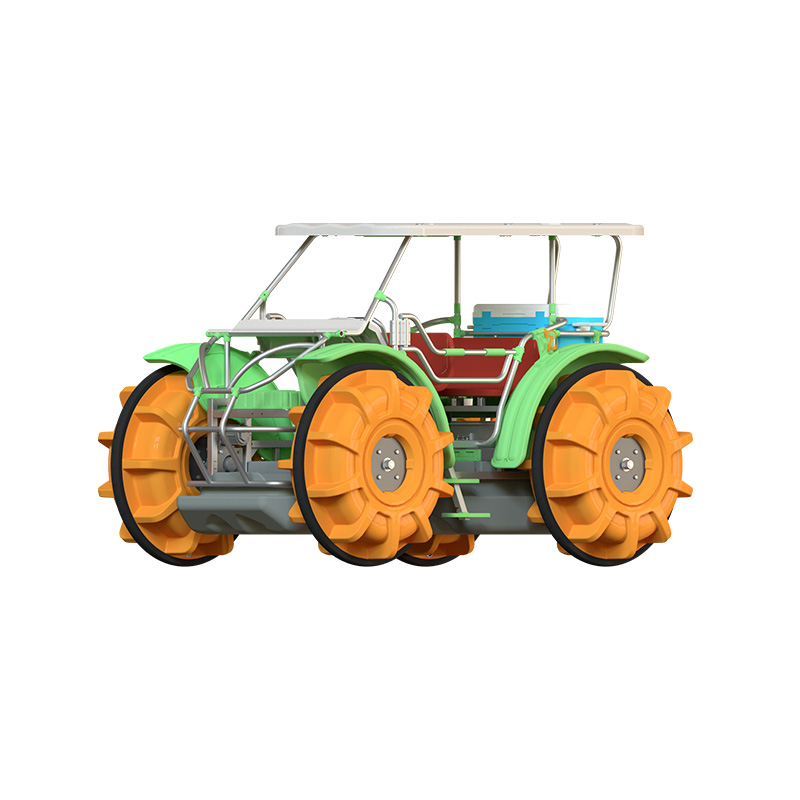
For companies operating in tourism, leisure rentals, or recreational parks, sourcing vehicles that can navigate both land and water offers operational flexibility and unique customer experiences. An amphibious vehicle provides this dual functionality, allowing B2B clients to serve diverse needs efficiently. By combining durability, versatility, and customizable features, amphibious vehicles become an attractive investment for businesses aiming to expand their offerings.
An amphibious vehicle is designed to operate on roads, trails, and water surfaces without requiring transfers between modes of transport. For commercial users, this capability simplifies logistics and reduces operational complexity. Modern models come equipped with durable engines, safety features, and passenger seating suitable for recreational or guided activities.
Tour operators, hotels with waterfront properties, and adventure parks can benefit from these vehicles by providing immersive experiences to clients while maintaining operational reliability. For rental businesses, having a fleet of amphibious vehicles allows flexible scheduling, shorter turnaround times, and efficient allocation across multiple locations.
Applications for Commercial Operators
Amphibious vehicles have several practical applications for B2B clients:
- Tourism Services: Rental or guided tours on lakes, rivers, and nearby trails allow businesses to offer unique experiences that combine sightseeing and adventure.
- Resort and Hotel Operations: Vehicles can transport guests between waterfront and land-based amenities seamlessly.
- Recreational Parks: Amphibious vehicles enhance activities such as family rides, team-building events, and outdoor excursions.
- Event Management: For outdoor festivals or water-based events, these vehicles can move equipment, staff, or VIP guests efficiently.
The versatility of an amphibious vehicle ensures that one vehicle type can serve multiple service offerings, reducing procurement complexity and lowering overall operational costs.
Manufacturing and Quality Considerations
B2B clients prioritize durability, safety, and consistent performance. Manufacturers of amphibious vehicles follow precise production standards:
- Hull Integrity: Watertight construction ensures safe operation on water.
- Engine and Propulsion Systems: Reliable dual-mode engines maintain performance on both land and water.
- Materials and Safety Features: Use of corrosion-resistant materials, secure seating, and emergency flotation devices ensure compliance with safety standards.
Bulk orders are often supported by scalable production lines, guaranteeing that businesses receive consistent quality across their fleet. Maintenance schedules, spare parts availability, and optional service packages further reduce operational interruptions.
Customization and Branding
Commercial clients frequently require modifications to match operational needs or branding:
- Adjustable passenger capacity for small or large groups
- Branded vehicle colors, decals, or logos for marketing purposes
- Cargo or storage options for recreational equipment or luggage
Customization ensures that amphibious vehicles align with business objectives while maintaining functionality.
Logistics and Operational Support
Reliable delivery, packaging, and shipping are critical for commercial operators. Amphibious vehicle suppliers often provide coordinated logistics solutions to simplify procurement for bulk orders. Routine maintenance, driver training programs, and after-sales support help ensure safe and efficient operations. For rental companies, this support reduces downtime and improves the overall customer experience.
Enhancing Commercial Efficiency
By integrating amphibious vehicles into operations, B2B clients can expand service offerings without the need for separate land or water transport. Vehicles reduce staff effort in moving clients or equipment and enhance customer satisfaction by offering a unique recreational experience. In addition, operational costs can be optimized through fewer vehicle purchases, lower fuel consumption, and reduced infrastructure needs for water-based activities.
In conclusion, an amphibious vehicle provides B2B clients with a versatile, durable, and operationally efficient solution for tourism, leisure, and recreational businesses. With careful manufacturing, customization, and logistical support, these vehicles help commercial operators deliver seamless experiences while optimizing fleet management, cost efficiency, and customer satisfaction.




- Building 1 and 2, No. 2269, Jingzhong Road, Hongjia Street, Taizhou, Zhejiang, China
- +86-18857621312
- [email protected]
