
 English
  русский
  عربى
عربى 
What Learning Curve a Beginner Snowboard Set Presents for a New Rider
2026-09-15
Starting snowboarding can feel different from other forms of winter recreation because both feet stay connected to the same board. Walking, stepping, and making small corrections are no longer available in the usual way. A new rider needs to rely more on body position, foot pressure, and controlled movement.
The early learning process often begins with simply getting comfortable while standing. The board may feel wider than expected, and the fixed foot position can make ordinary movements seem less natural. Even shifting the body slightly forward or backward changes how the board responds.
A Beginner Snowboard Set can also feel unfamiliar because several pieces of equipment work together. The board provides the surface for movement, while the bindings hold the boots in position. Each part affects how the rider feels when making small adjustments.
The first sessions usually involve simple tasks rather than complicated riding. A new rider may spend time learning how to:
- Stand without leaning too far in either direction
- Keep the knees comfortably bent
- Move the body without making sudden shifts
- Get used to the feeling of both feet staying connected
- Control the board while moving slowly
These basic actions may seem small, yet they form the foundation for later turns and changes in direction. Trying to move too quickly can make the board feel harder to control. A slower pace gives the rider more opportunity to notice how body movement affects the board.
Another part of the adjustment comes from the snow itself. A board does not respond in exactly the same way on every surface. Small changes in slope or snow condition can alter how quickly the board moves. For someone who has not used a snowboard before, learning to read these changes takes time.
The learning curve is therefore not only about learning specific movements. It also involves becoming familiar with how the body, equipment, and snow interact.
How Does a Beginner Snowboard Set Affect Basic Balance
Balance becomes an important part of snowboarding from the moment the rider stands on the board. The feet remain in fixed positions, so the body cannot correct movement by taking a step. Instead, small adjustments through the legs, hips, and upper body help maintain control.
The position of the body matters. Standing too upright can make small movements feel abrupt, while staying too rigid may reduce the ability to respond naturally. A comfortable stance allows the knees and ankles to move while the upper body remains reasonably steady.
A Beginner Snowboard Set can influence how these adjustments feel. A board that feels manageable under the rider makes it easier to pay attention to movement rather than constantly reacting to the equipment. Boot fit and binding position also affect how directly movement reaches the board.
Balance can be viewed through several simple areas:
| Area | What a New Rider Notices | Practice Focus |
|---|---|---|
| Foot position | Feet remain fixed to the board | Become comfortable with the stance |
| Knee position | Legs need to absorb small changes | Keep the body relaxed |
| Body weight | Small shifts affect board movement | Practice controlled weight changes |
| Upper body | Sudden movement can affect balance | Keep movements steady |
| Board contact | The board reacts to pressure | Notice changes without rushing |
The purpose of early practice is not to make every movement precise. A new rider needs time to recognize what a stable position feels like and how the board reacts when that position changes.
One useful habit is to make smaller movements. A large shift in body weight can cause a quick response from the board, leaving little time to correct it. Smaller adjustments make the connection between movement and board response easier to recognize.
As this feeling becomes familiar, the rider can begin to separate different actions. Standing, slowing down, and changing direction start to feel like related movements rather than completely different tasks.
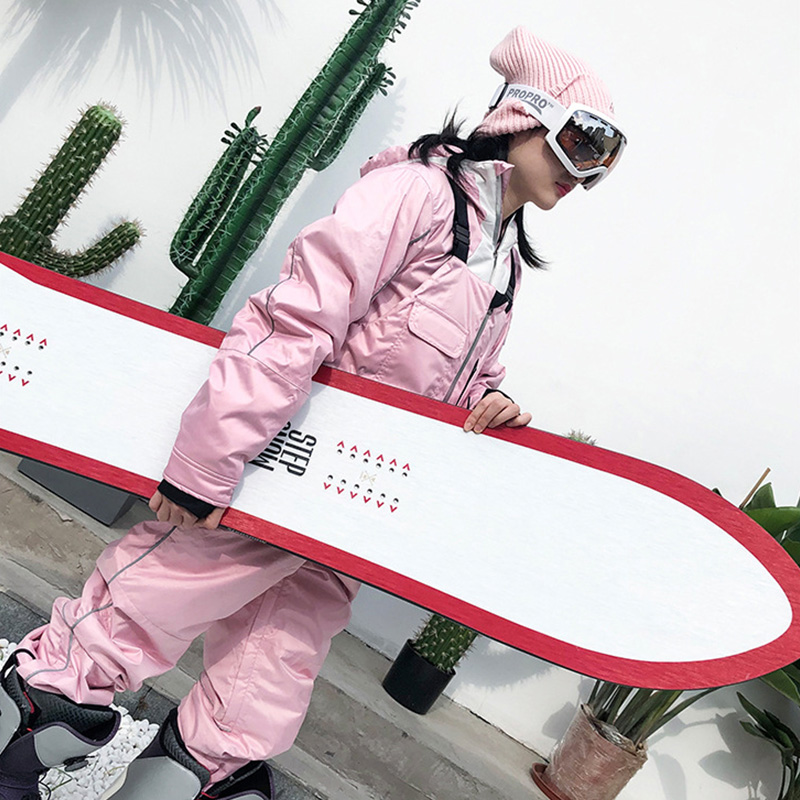
Which Riding Movements Usually Take Time to Practice
After basic balance becomes more familiar, movement becomes the next part of the learning process. A new rider needs to coordinate the lower body and upper body while also paying attention to the direction of travel.
Starting to move can feel more difficult than expected. The board begins to glide, and the rider needs to maintain balance while responding to that movement. A common early reaction is to stiffen the body. While this may feel protective, excessive tension can make small corrections harder.
Stopping requires another adjustment. Instead of simply removing pressure, the rider needs to control how the board meets the snow. Learning to slow down gradually can make later turns easier because the rider gains a better sense of speed and body position.
Turning introduces another layer of coordination. The rider needs to change the direction of the board while keeping the body balanced. Moving the upper body too quickly can make the board react before the legs are ready. Moving too little may leave the rider unable to guide the board as intended.
A useful progression is to separate the movements during practice:
- Become comfortable standing on the board.
- Practice controlled movement over a gentle section.
- Work on slowing down and stopping.
- Introduce simple direction changes.
- Connect slowing, turning, and stopping into one movement sequence.
Each stage gives the rider a chance to recognize a specific response before adding another task. Progress does not need to follow a fixed schedule. Some riders may feel comfortable with movement quickly, while others may need more time with basic balance.
The way the body moves also changes as confidence develops. Early movements may be deliberate because the rider is thinking about every adjustment. With repeated practice, some actions become more natural, allowing attention to shift toward the terrain and direction of travel.
How Does Board Setup Influence the Learning Process
Equipment setup can affect how easily a new rider adapts. Size, weight, foot position, and the way the boots connect to the board all contribute to the overall feel. A setup that does not match the rider's body or intended use may make basic movements feel less predictable.
Board length can affect how the board feels during turns and movement. A larger board may require more deliberate body movement, while a smaller board may feel more responsive. Width also matters because the rider needs to place the feet comfortably without creating unnecessary strain.
Binding position deserves attention as well. The feet need to sit in a position that allows the rider to maintain a natural stance. An awkward position can make the rider compensate through the knees, hips, or upper body.
For beginners, several setup questions are worth considering:
- Does the board feel manageable while standing?
- Can the rider bend the knees without discomfort?
- Are the boots held securely without excessive pressure?
- Does the foot position allow natural movement?
- Does the board suit the type of terrain where it will be used?
A setup should support the learning process rather than add unnecessary difficulty. The goal is not to remove every challenge from learning to snowboard. Some adjustment is expected. The equipment simply needs to allow the rider to focus on developing control.
The relationship between setup and terrain becomes more noticeable as the rider gains experience. A board used for varied mountain conditions may need to feel comfortable during changes in surface and slope. That leads naturally to another consideration: how a Womens Snowboard All Mountain setup may feel during the early stages of learning.
What Can Riders Expect From a Womens Snowboard All Mountain Setup
A board intended for varied mountain terrain can create a different learning experience from equipment designed around a narrower type of riding. Changes in slope, snow surface, and riding direction require small adjustments in body position. For a beginner, those changes may feel unfamiliar at the start.
A Womens Snowboard All Mountain setup is generally considered in relation to fit, handling, and the type of terrain where riding will take place. Body proportions and boot size can affect how the equipment feels during basic movements. A comfortable connection between boots, bindings, and board makes it easier to notice how pressure changes affect movement.
Terrain also changes the demands placed on a rider. A gentle, even section allows more attention to be given to balance. A section with a different slope may require a change in stance or speed control. Moving between surfaces introduces another part of the learning process because the same movement may produce a slightly different response.
For early practice, a gradual approach can help:
- Begin with terrain that allows steady movement.
- Spend time becoming familiar with changes in direction.
- Practice speed control before moving onto more varied sections.
- Pay attention to how the board responds when the slope changes.
- Adjust the stance rather than forcing a movement that feels unnatural.
Equipment intended for different terrain does not remove the need for practice. The board still needs to be understood through repeated use. What changes is the range of situations in which the rider may need to make small corrections.
Fit remains relevant throughout this stage. A board that feels manageable at rest may feel different once movement begins. Boot pressure, binding position, and stance width can all become noticeable during turns. Small discomforts are worth addressing early because repeated awkward movement can make practice tiring.
The learning process also tends to become less mechanical once the rider starts recognizing patterns. A change in slope may naturally lead to a change in body position. A need to slow down may encourage a smaller movement rather than a sudden reaction. Familiarity develops through experience rather than through a single adjustment.
How Can Practice Progress From Simple Movements to Turns
Progress on a snowboard rarely comes from adding several new movements at once. A more manageable approach is to build one action around another. Standing creates a base for movement, movement creates a base for speed control, and speed control makes turning easier to practice.
Early exercises can remain simple. A short glide across a gentle section gives the rider time to notice balance and board response. Once that movement feels less unfamiliar, controlled slowing can be added. Turning then becomes part of a sequence rather than an isolated action.
A useful practice pattern may look like this:
Standing → Gliding → Slowing → Changing Direction → Stopping
Each stage depends on the previous one. Without basic balance, turning can become a struggle with body position. Without speed control, a direction change may feel rushed. Linking the actions together allows the movement to develop at a natural pace.
The way a turn begins is also worth observing. A sudden twist through the upper body can produce an uneven response. More controlled movement allows the legs and board to work together. Small changes in pressure can gradually guide the board without forcing the entire body into a large motion.
Practice conditions matter as well. A crowded or unfamiliar slope can introduce distractions that make simple exercises harder to focus on. A clear area with manageable terrain provides room for repeated movement and adjustment.
Rest has a place in the learning process too. Snowboarding uses several muscle groups at once, and fatigue can affect posture and coordination. When the body becomes tired, movements may become stiff or less controlled. Shorter practice periods can sometimes provide better opportunities to notice changes in technique.
A Beginner Snowboard Set becomes easier to work with as familiarity grows. The board no longer feels like an unfamiliar object attached to the feet. Pressure, balance, and direction begin to form a connected sequence, making each new movement easier to relate to the previous one.
What Common Habits Can Make Snowboarding Harder to Learn
Some difficulties come from habits rather than from the equipment itself. A rider who remains tense may find it harder to absorb small changes in the snow. Excessive force through the legs can also make movement less flexible.
Another common issue is leaning too far in response to a change in direction. A small adjustment may be enough, yet an exaggerated movement can make the board respond suddenly. Returning to a neutral stance often provides a clearer starting point for the next action.
Turning too quickly creates a similar problem. Direction changes require coordination between body position and board movement. When the action begins before balance is ready, the result can feel unstable.
Several habits deserve attention during early practice:
- Keeping the knees locked for long periods
- Making large body movements for small changes
- Looking down continuously instead of observing the route ahead
- Ignoring discomfort around the boots or bindings
- Moving onto difficult terrain before basic control feels familiar
- Treating every loss of balance as an equipment problem
A relaxed stance does not mean a passive one. The legs still need to respond, and the body needs to remain prepared for changes in the surface. Flexibility allows those responses to happen without excessive force.
Equipment adjustment can also remove unnecessary distractions. A binding that sits awkwardly or a boot that does not fit comfortably may change how pressure reaches the board. When discomfort continues, the rider may unconsciously alter posture to compensate.
The learning process becomes easier to observe when one problem is addressed at a time. Changing the stance, board setup, and riding technique all at once makes it difficult to know which adjustment produced a different result.
How Can Beginners Choose a Setup That Matches Their Progress
Choosing equipment for early snowboarding involves more than finding a board that looks suitable. The physical relationship between the rider and the equipment needs to remain comfortable as basic skills develop. Size, weight, foot position, boot fit, and intended terrain all deserve attention.
A Beginner Snowboard Set should provide a manageable starting point for standing, gliding, slowing, and turning. Those basic actions form a useful reference when comparing different setups. Equipment that feels difficult to control during simple movements may create additional work during practice.
The intended riding environment matters too. A setup for varied mountain use needs to accommodate changes in terrain, while a rider still needs enough familiarity to respond to those changes. A Womens Snowboard All Mountain option may therefore be considered alongside personal fit, riding habits, and the type of slopes normally encountered.
Communication with an equipment supplier can focus on practical details rather than broad claims. Useful questions include:
- How does the board fit the intended rider size?
- What type of terrain is the setup designed around?
- How should the bindings be positioned?
- What boot fit should be checked before use?
- Can the setup be adjusted as riding habits develop?
- Which parts may need attention after repeated use?
As riding ability changes, equipment requirements may change as well. A setup that feels comfortable during early practice may later be evaluated from a different perspective because turning becomes more familiar and terrain choices become wider.
The learning curve is therefore connected to both movement and equipment. A suitable setup provides a consistent base from which balance, speed control, and turning can develop. Practice then becomes a process of noticing small changes, making reasonable adjustments, and allowing coordination to improve through repeated riding rather than forcing progress through difficult terrain.







- Building 1 and 2, No. 2269, Jingzhong Road, Hongjia Street, Taizhou, Zhejiang, China
- +86-18857621312
- [email protected]
