
 English
  русский
  عربى
عربى 
What Is the Difference Between an Amphibious ATV Vehicle and a Standard
2026-09-25
A small open vehicle with several low-pressure tires and a handlebar or steering wheel looks similar whether it is meant for dry ground or for ground and water alike. Appearance hides the real distinction. One machine stays on land. The other crosses a river, a flooded field, or a marsh without stopping to unload or switch equipment.
That ability to move between ground and water does not come from a single feature. It comes from a collection of design decisions that work together — a sealed body, a hull shape that floats, a drivetrain that keeps turning while submerged, and air paths that stay above the waterline. Each of those choices carries consequences for weight, maintenance, and how the vehicle behaves on dry land.
The question worth working through is what changes when a machine is built to enter water, and what those changes mean for the person using it. Terrain coverage separates the two categories more than size, power, or seating arrangement.
What Both Types Have in Common
Strip away the water capability and the two vehicle types share a common foundation.
- Engine placement: typically mid or rear mounted, driving through a belt or shaft system
- Drivetrain layout: power sent to multiple axles, often with selectable all-wheel drive
- Tire configuration: several low-pressure tires arranged in a row on each side
- Rider position: seated operator with handlebar or wheel steering
- Cargo provisions: small rear bed or rack for tools and supplies
- Control arrangement: throttle, brake, and gear selection within reach
Maintenance points overlap as well — oil changes, air filter service, belt inspection, tire pressure checks, and axle lubrication. Anyone familiar with one type can recognize the other at a glance.
That shared base makes the differences easier to isolate. What separates them sits in the body, the sealing, and the routing of air and exhaust rather than in the engine or the wheel count.
What Defines a Standard ATV
A standard model is built around ground contact. Its design priorities follow from that focus.
Tires carry aggressive tread patterns meant to bite into loose soil, mud, or snow. Ground clearance is set to clear rocks and roots. Body panels protect the rider and components from debris thrown up by the wheels, and they do not need to hold water out.
Cooling air enters through openings positioned for airflow rather than for water avoidance. Exhaust exits at a height suited to land use. Bearings and axle seals are built for dust and mud rather than for submersion.
Weight distribution favors stability on uneven ground — a lower center of mass helps when one wheel lifts over an obstacle. Traction and articulation matter more than flotation.
Where do these vehicles appear? Trail riding, farm and ranch work, hunting access, property maintenance, and snow travel when tracks are fitted. The common thread is a surface beneath the wheels that supports the machine's weight.
What Makes an Amphibious ATV Vehicle Different
Water entry changes the requirements. A machine that drives into a pond or crosses a stream needs to float, keep water out of its internals, and move forward once afloat.
Several design elements make that possible:
- Watertight body construction: keeps water from entering through seams, panels, and openings
- Hull shape: displaces enough water to support the vehicle and its load
- Sealed drivetrain components: allow bearings and axle joints to continue working while submerged
- Air intake routed high: draws air above the waterline
- Exhaust positioned to prevent water entry: reduces the risk of water entering during travel or when the engine stops
- Wheel rotation used as propulsion: provides movement once the tires lose contact with the ground
- Weight distribution balanced: supports stability on water as well as on land
An Amphibious ATV Vehicle moves between ground and water without towing, ramps, or a separate launch procedure. That transition happens as part of normal operation, which is what separates it from a standard machine fitted with aftermarket accessories.
The trade-off appears in weight and complexity. Sealing, hull construction, and protective routing add mass and introduce additional maintenance points that a land-only machine does not carry.
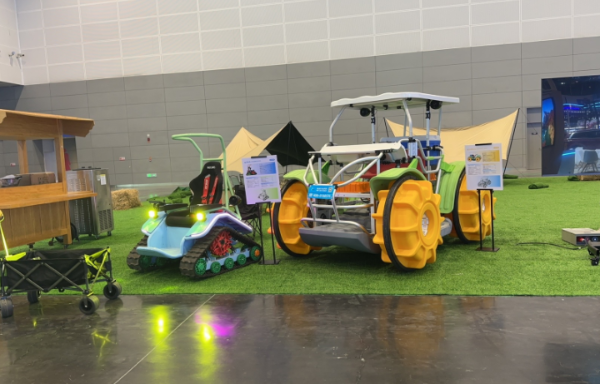
How Buoyancy and Sealing Are Achieved
Flotation depends on displacing more water than the vehicle weighs. The body shape does much of that work.
A hull with a broad, flat underside and raised sides displaces a useful volume without adding unnecessary height. Internal components sit within that envelope, and their weight is distributed to keep the vehicle level once afloat.
Sealing follows from the hull. Body panels meet at joints that need to resist water pressure, not just splashes. Gaskets, sealants, and overlapping edges handle that requirement. Openings for controls, wiring, and ventilation pass through sealed fittings rather than simple holes.
Axle and bearing sealing is a separate challenge. Wheels must rotate freely while submerged, which means the seals around each axle end have to keep water out without creating so much friction that the drivetrain labors. Lip seals, O-rings, and grease-filled cavities work together at those points.
Drainage provisions matter as well. Some water inevitably enters during use, whether through a splash or a brief submersion beyond the intended depth. Plugs at low points allow that water to be released after the vehicle returns to land.
Ventilation paths keep water away from the engine. Air intake sits high on the body, and the exhaust routes upward before turning rearward. A float valve or similar device may close off the intake if water reaches it.
All of this affects maintenance. Seals that see water exposure need inspection at shorter intervals than seals on a land-only machine. Grease fittings require attention after repeated water contact. Fasteners exposed to wet conditions need checking for corrosion.
| Aspect | Standard ATV | Amphibious Version |
|---|---|---|
| Primary environment | Land surfaces | Land and water |
| Body sealing | Debris protection | Watertight construction |
| Flotation | Not applicable | Hull shape provides buoyancy |
| Drivetrain sealing | Dust and mud resistance | Submersion-rated seals |
| Air intake | Positioned for airflow | Routed above waterline |
| Propulsion in water | None | Wheel rotation acts as paddle |
| Weight | Lighter for ground agility | Higher from sealing and hull |
| Maintenance focus | Dust, mud, belt wear | Seals, corrosion, drainage |
Propulsion on Land and in Water
Moving across ground relies on tire contact. Tread patterns bite into soil, mud, or snow, and the drivetrain sends power to the wheels that have traction. Steering comes from turning the front wheels or, on some designs, from varying power between left and right sides.
Once the vehicle enters water and the tires lose contact with the bottom, propulsion changes. The same wheels that roll over ground now act as paddles. Rotating them pushes water rearward, and the vehicle moves forward. Direction is controlled by turning the wheels or by shifting weight, depending on the design.
Speed expectations differ between the two environments. Ground travel reaches speeds suited to trail riding and work tasks. Water travel moves at a slower pace, since wheel rotation is less efficient than a dedicated propeller or jet. Load affects water performance noticeably — extra cargo or a passenger changes how the hull sits and how quickly the vehicle moves.
Steering on water feels different from steering on land. Response is softer, and turns take longer to complete. Wind and current influence direction in ways that do not apply on dry ground.
Limitations remain even with amphibious capability. Water depth, current strength, and wave action all have practical bounds. A machine built for calm water crossings and marshland travel is not intended for open water or fast-moving rivers. Recognizing those limits is part of using the vehicle safely.
Structural and Material Considerations
Materials and construction follow from the dual environment.
Body panels need to resist water exposure without degrading. Some designs use molded polymer sections that resist corrosion and tolerate impact. Others use metal panels with protective coatings. Joints between panels receive sealant or gaskets to keep water out.
Drivetrain components face a harsher environment than on a land-only machine. Axles, bearings, and constant-velocity joints sit closer to water during use. Corrosion protection at those points — plating, coatings, or sealed housings — extends service life. Fasteners receive similar treatment, since a rusted bolt is harder to remove during maintenance.
Tires serve two purposes. On land, tread needs to grip loose surfaces. In water, the same tread pushes against the water. A tread pattern that works for both tends toward moderate lugs rather than the aggressive patterns used on dry-ground machines.
Frame construction supports the hull and carries the drivetrain. Additional bracing may appear where the body meets the frame, since water pressure and impact loads differ from land use.
Weight is a constant trade-off. Sealing, hull material, and protective routing add mass. That mass reduces ground agility compared with a lighter land-only machine, though it contributes to stability once afloat. Buyers who mostly work on dry ground may find the extra weight unnecessary; those who regularly cross water accept it as part of the capability.
Terrain and Use Cases
Where each type operates best follows from its design priorities.
A standard model handles trail riding, farm and ranch work, property maintenance, hunting access, and snow travel with tracks fitted. The common factor is a surface that supports the machine's weight. Mud, rocks, and steep grades are part of the challenge, and ground clearance and traction determine how far the vehicle can go.
An amphibious version adds environments where water is part of the route rather than an obstacle to avoid. Flooded fields, marshland, shallow streams, shoreline work, and seasonal water crossings fall into that category. The vehicle enters water as part of normal travel rather than as a special operation.
There are situations where the water capability provides a safety margin rather than a routine function. A machine that can float and move if it encounters unexpected depth offers something a land-only vehicle cannot. That margin matters in areas where water levels change or where the ground beneath a shallow crossing is uncertain.
Overlap exists where either type can operate — firm ground, moderate mud, and shallow puddles. In those conditions, the difference between the two narrows, and other factors such as size, cargo capacity, and maintenance requirements carry more weight in the decision.
Maintenance and Ownership Differences
Ownership routines diverge once water enters the picture.
After use in water, several steps help preserve the vehicle:
- Drain any accumulated water: from the hull through the low-point plugs
- Rinse and dry: exposed surfaces to remove silt and debris
- Inspect axle and bearing seals: for damage or wear
- Grease fittings: at recommended intervals, particularly after repeated water contact
- Check fasteners: for corrosion or loosening
- Examine the cooling system: for debris that may have entered during water travel
- Confirm air intake and exhaust paths: remain clear and properly routed
Storage practices matter as well. A machine kept outdoors in damp conditions faces more corrosion risk than one stored under cover. For amphibious models, storing with the hull dry and the seals clean reduces the chance of deterioration between uses.
Servicing an amphibious vehicle often requires familiarity with sealed systems that a land-only machine does not have. Bearing replacement, seal installation, and hull inspection call for specific procedures. Owners who handle their own maintenance may need additional tools and reference materials, while those who rely on service providers should confirm that the shop has experience with water-rated components.
How Conditions Point Toward the Right Choice
Both vehicle types start from the same foundation — an engine, a multi-wheel drivetrain, and an open seating arrangement. What separates them sits in the body, the sealing, and the routing of air and exhaust.
An amphibious machine adds flotation, watertight construction, and submersion-rated components. Those features allow travel across water without towing or launching equipment. The cost appears in weight, complexity, and a maintenance routine that includes seal and corrosion checks.
A standard model stays focused on ground travel. It carries less weight, requires simpler upkeep, and handles dry terrain with agility that a heavier amphibious version may not match.
An Amphibious ATV Vehicle suits work and travel where water is part of the route. A standard machine suits land-focused tasks where water never enters the picture. Where the two overlap, the decision comes down to how often water is encountered and how much the extra capability is worth in daily use.
Matching the vehicle to the environments it will actually face tends to produce better outcomes than choosing based on capability alone. The conditions of the work indicate which design fits, and the answer follows from those conditions rather than from a general preference.




- Building 1 and 2, No. 2269, Jingzhong Road, Hongjia Street, Taizhou, Zhejiang, China
- +86-18857621312
- [email protected]
