
 English
  русский
  عربى
عربى 
How Is a Leisure Track Vehicle Used Beyond Traditional Off-Road Driving?
2026-02-24
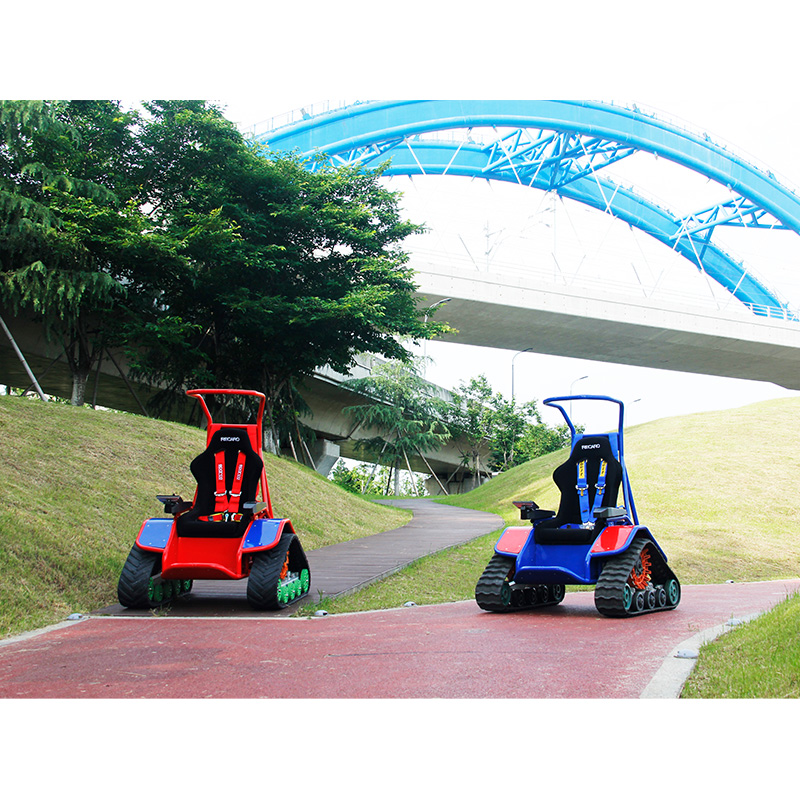
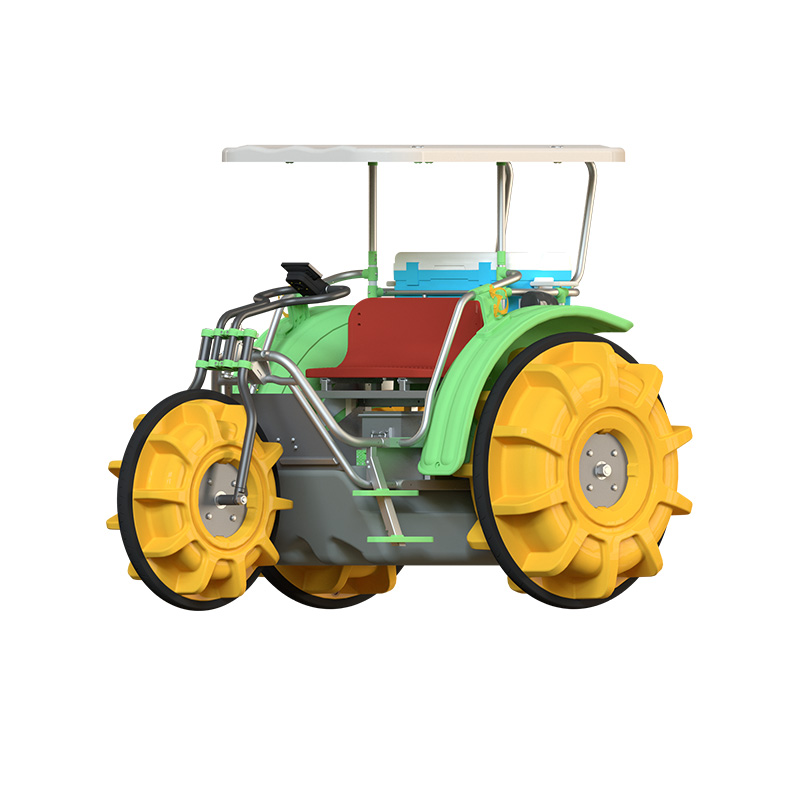
Outdoor leisure activities have expanded beyond traditional walking trails and standard vehicles. In this context, the Leisure Track Vehicle has gained attention for its ability to move smoothly across varied terrain while supporting recreational use. Designed with tracked mobility instead of wheels, this type of vehicle focuses on stability, accessibility, and adaptability rather than speed or heavy-duty industrial tasks.
A Leisure Track Vehicle is built around a tracked chassis that distributes weight evenly across the ground. This structure allows the vehicle to travel over sand, grass, snow, or uneven paths with reduced ground pressure. Compared with wheeled vehicles, tracks provide steadier movement and reduce the risk of getting stuck in soft terrain.
The vehicle body is often compact and designed to carry passengers comfortably. Seating layouts, safety rails, and basic control systems are arranged to support casual operation rather than technical driving experience.
Designed for Comfort and Experience
Unlike work-focused tracked machines, a Leisure Track Vehicle places greater emphasis on comfort. Suspension systems are tuned for smoother rides, and cabins or open seating areas are designed to support sightseeing, guided tours, or short-distance travel.
Noise and vibration control are also considered during design. This helps create a calmer experience, especially in nature parks or scenic areas where a quiet environment is preferred.
Common Usage Scenarios
A Leisure Track Vehicle is often used in tourism-related settings. Scenic parks, forest trails, desert attractions, and snow-covered landscapes benefit from vehicles that can move safely without damaging the environment. Tracks help reduce concentrated pressure on the ground, which is important in protected areas.
In resorts or recreational facilities, these vehicles are used for guided tours, shuttle services, or special experience rides. They allow visitors to reach areas that are difficult to access on foot while maintaining a controlled travel route.
Safety and Accessibility Considerations
Safety is a key factor in the design of a Leisure Track Vehicle. Low center of gravity, stable track width, and controlled speed settings help reduce tipping risks. Many models are designed for easy boarding, making them suitable for a wide range of users, including children and older passengers.
Clear visibility for the operator and passengers improves situational awareness during operation. Some vehicles also include basic weather protection, depending on the intended environment.
Maintenance and Operational Simplicity
From an operational perspective, a Leisure Track Vehicle is designed for straightforward maintenance. Track systems are engineered for durability under recreational use, with materials selected to handle repeated contact with natural surfaces.
Routine maintenance typically involves checking track tension, lubrication, and basic mechanical components. Compared to industrial tracked equipment, these vehicles usually operate at lower loads and speeds, which supports longer service intervals under proper use.
Environmental Impact and Responsible Use
One advantage of a Leisure Track Vehicle is its potential for reduced environmental impact when used responsibly. By spreading weight across tracks, ground disturbance can be minimized compared to narrow tires. This makes the vehicle suitable for eco-tourism projects where landscape preservation is a priority.
However, proper route planning and usage guidelines remain important. Tracks do not eliminate environmental impact entirely, so controlled operation helps maintain natural surroundings.
Factors to Consider When Choosing One
When selecting a Leisure Track Vehicle, buyers should consider terrain type, passenger capacity, and frequency of use. Power systems, whether electric or fuel-based, may also influence operational cost and environmental considerations.
Customization options such as seating layout, protective covers, or branding can be useful for commercial applications. Matching the vehicle's configuration to its intended use ensures reliable performance and user satisfaction.
A Leisure Track Vehicle serves as a practical solution for recreational transportation across challenging terrain. With a focus on stability, comfort, and controlled mobility, it supports tourism, outdoor activities, and resort operations in a wide range of environments. By understanding its structure, use cases, and operational needs, operators and buyers can make informed decisions when integrating these vehicles into leisure-focused projects.





- Building 1 and 2, No. 2269, Jingzhong Road, Hongjia Street, Taizhou, Zhejiang, China
- +86-18857621312
- [email protected]
