
 English
  русский
  عربى
عربى 
How Does an Electric Snow Vehicle Change Winter Travel?
2026-01-23
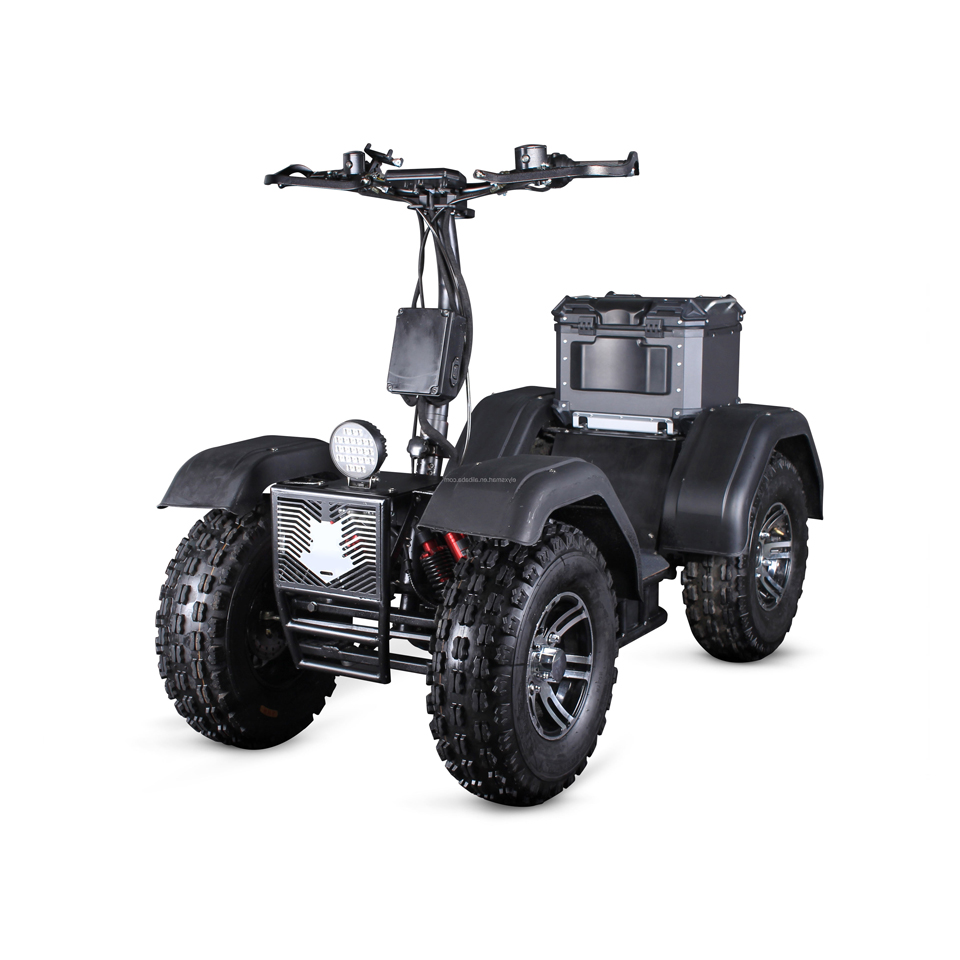
Snowy environments present unique challenges for transportation, recreation, and work. Traditional vehicles often struggle on icy roads or deep snow, creating a need for specialized solutions. The Electric Snow Vehicle offers an innovative approach, combining environmentally friendly power with reliable mobility on snow-covered terrain.
The Role of an Electric Snow Vehicle
An Electric Snow Vehicle is designed to navigate snow and ice while providing quiet, efficient, and clean transportation. Unlike conventional snowmobiles powered by gasoline, electric models use rechargeable batteries to drive motors that power tracks or wheels adapted for snow. This approach reduces noise, emissions, and maintenance requirements while maintaining effective traction and control.
Electric Snow Vehicles are suitable for a variety of users, from outdoor enthusiasts enjoying winter sports to workers needing safe transport in snowbound areas.
Design and Components
The design of an Electric Snow Vehicle focuses on stability, traction, and efficiency. Components include an electric motor, battery pack, tracks or skis, suspension systems, and user controls. Manufacturers engineer these vehicles to balance weight distribution, optimize battery life, and ensure the motors deliver consistent power even in cold conditions.
Tracks or wide tires are essential for handling deep snow, while a low center of gravity enhances stability. Advanced models may include regenerative braking systems, digital displays, and adjustable speed modes to adapt to different terrains.
Battery Technology and Performance
Battery performance is a critical factor in Electric Snow Vehicles. Lithium-ion batteries are commonly used due to their energy density, reliability, and ability to withstand cold temperatures. An Electric Snow Vehicle's range depends on battery capacity, terrain, and speed. Many models allow easy removal or swapping of batteries for extended operation.
Charging infrastructure is also an important consideration. Home chargers or portable charging stations enable convenient recharging, while some users plan trips based on available power sources in remote locations.
Environmental and Practical Benefits
Electric Snow Vehicles offer environmental advantages by reducing carbon emissions and noise pollution. This is particularly valuable in natural parks, resorts, and residential areas where minimizing environmental impact is important. Additionally, electric propulsion reduces the need for fuel storage and decreases mechanical complexity, lowering maintenance costs and downtime.
The quiet operation also allows users to enjoy winter landscapes without disturbing wildlife or other people nearby, which can enhance recreational experiences.
Applications and Versatility
Electric Snow Vehicles are not only for recreation. They are increasingly used in utility work, forestry, mountain resorts, and emergency response. Their ability to navigate snowy and icy terrain safely makes them valuable for delivering supplies, patrolling remote areas, or assisting in rescue operations.
Moreover, modular designs allow some models to switch between tracks and tires or accommodate cargo and passenger seating, increasing versatility for different tasks.
Long-Term Considerations
When considering an Electric Snow Vehicle, it is important to evaluate battery life, charging options, and component durability. Choosing a vehicle from a reputable manufacturer ensures that it will operate reliably in winter conditions and provide predictable performance over time. Regular maintenance, such as track checks and battery care, helps extend the vehicle's lifespan.
The Electric Snow Vehicle represents a practical and environmentally conscious solution for navigating snowy environments. Combining electric propulsion, specialized design, and adaptability, these vehicles provide reliable mobility for recreation, work, and emergency purposes. Understanding their features, advantages, and maintenance requirements helps buyers select vehicles that meet both practical and environmental needs, making winter travel safer, quieter, and more sustainable.








- Building 1 and 2, No. 2269, Jingzhong Road, Hongjia Street, Taizhou, Zhejiang, China
- +86-18857621312
- [email protected]
