
 English
  русский
  عربى
عربى 
How Does a Recreational Amphibious Vehicle Change Outdoor Exploration?
2025-12-19
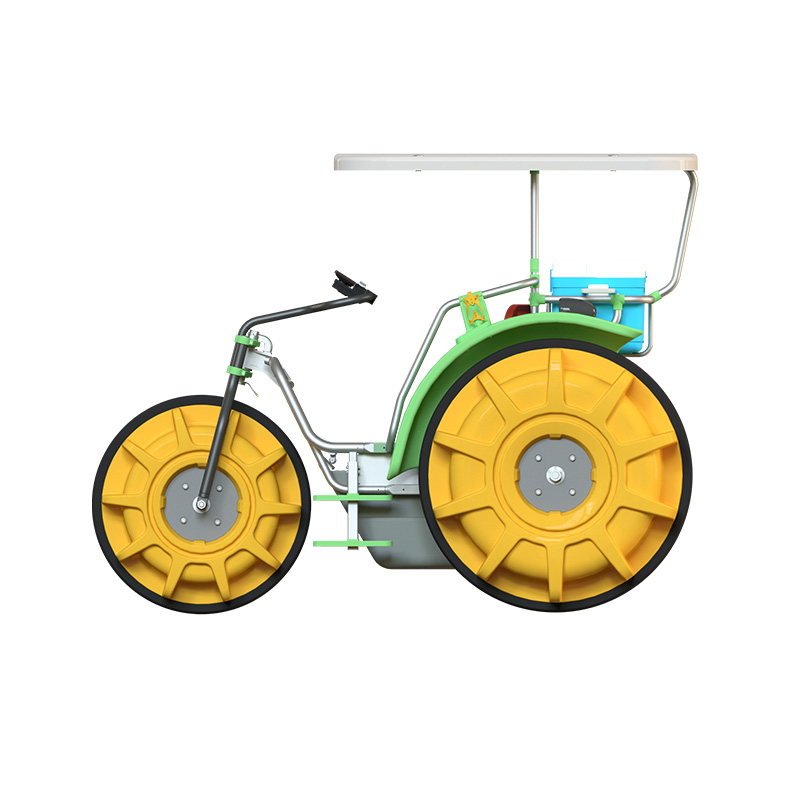
Outdoor activities are no longer limited to a single environment. Many travelers want the freedom to move from land to water without switching equipment. This is where a recreational Amphibious Vehicle stands out. Designed to move smoothly across fields, lakes, and shallow coastal areas, it offers a different experience for people who enjoy flexible routes and relaxed trips.
Section 1: What an Amphibious Vehicle Offers
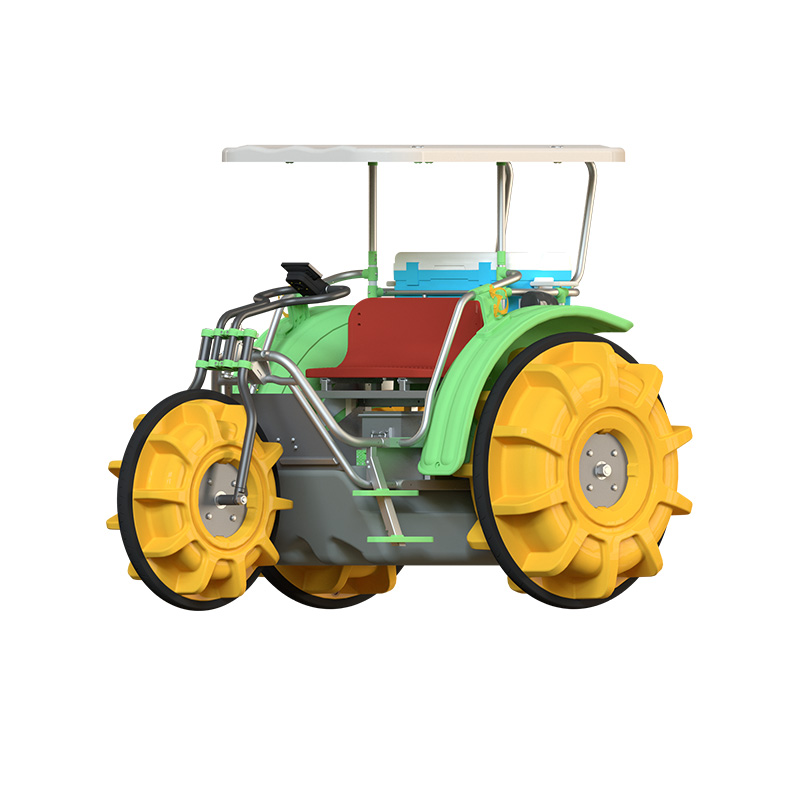
A modern Amphibious Vehicle combines basic land-driving functions with water navigation abilities. While its layout varies by brand and model, units feature a sealed body, wide tires or tracks, and a compact propulsion system for water movement. Though simple, this structure allows the vehicle to shift between terrains without complicated preparation.
- Ease of Use
Many outdoor users want equipment that feels approachable. A recreational Amphibious Vehicle usually features straightforward controls, making it suitable for camping trips, lakeside tours, or short excursions. Drivers can move from a forest path into a shallow river without leaving the cabin, which keeps the overall trip relaxed and continuous.
- Flexible Capacity
Depending on the design, an Amphibious Vehicle can carry two to six passengers, along with basic camping supplies, fishing gear, or photography equipment. The open interior layout helps users organize items without feeling cramped.
Section 2: Where an Amphibious Vehicle Fits in Outdoor Life
- Exploring Lakes and Rivers
People who enjoy fishing or light water exploration appreciate how an Amphibious Vehicle slides into the water from a gentle shoreline. It handles calm rivers, ponds, and lakes well, allowing users to enjoy short water routes without preparing separate boats.
- Cross-Terrain Camping
Many campers choose routes that include mud, grass, and shallow streams. Instead of circling around obstacles, they can drive an Amphibious Vehicle directly through mixed terrain. This makes it easier to reach hidden campsites or less crowded viewpoints.
- Photography and Filming
Outdoor creators benefit from the steady mobility of an Amphibious Vehicle. It can approach water edges smoothly and position itself in tight or uneven areas. This convenience helps photographers focus on timing and scenery instead of transport limitations.
Section 3: Practical Considerations for Use
- Safety and Handling
Although an Amphibious Vehicle is built for varied terrain, users still need to follow basic safety habits—wearing life vests during water travel, checking the ground before entering steep slopes, and slowing down when approaching sharp turns. These simple steps ensure a stable and enjoyable ride.
- Maintenance and Care
To keep an Amphibious Vehicle in good condition, owners should rinse the lower body after river or saltwater use, check the seals regularly, and inspect tires or tracks for debris. These tasks are simple but helpful in extending the vehicle's service life.
- Environmental Awareness
Some outdoor areas require gentle handling. Users should avoid sensitive wetlands or wildlife zones and follow local rules when entering water. Responsible use protects natural spots and preserves access for future visitors.
- A Relaxed Way to Explore More
A recreational Amphibious Vehicle gives outdoor enthusiasts a smooth way to travel across land and water in one continuous trip. It supports camping, photography, fishing, and casual sightseeing without forcing users to choose between terrains. For people who enjoy flexible routes and calm weekend outings, it can become a practical and enjoyable companion.




- Building 1 and 2, No. 2269, Jingzhong Road, Hongjia Street, Taizhou, Zhejiang, China
- +86-18857621312
- [email protected]
