
 English
  русский
  عربى
عربى 
How Does a Leisure Track Vehicle Support Outdoor Recreation Activities?
2026-02-06
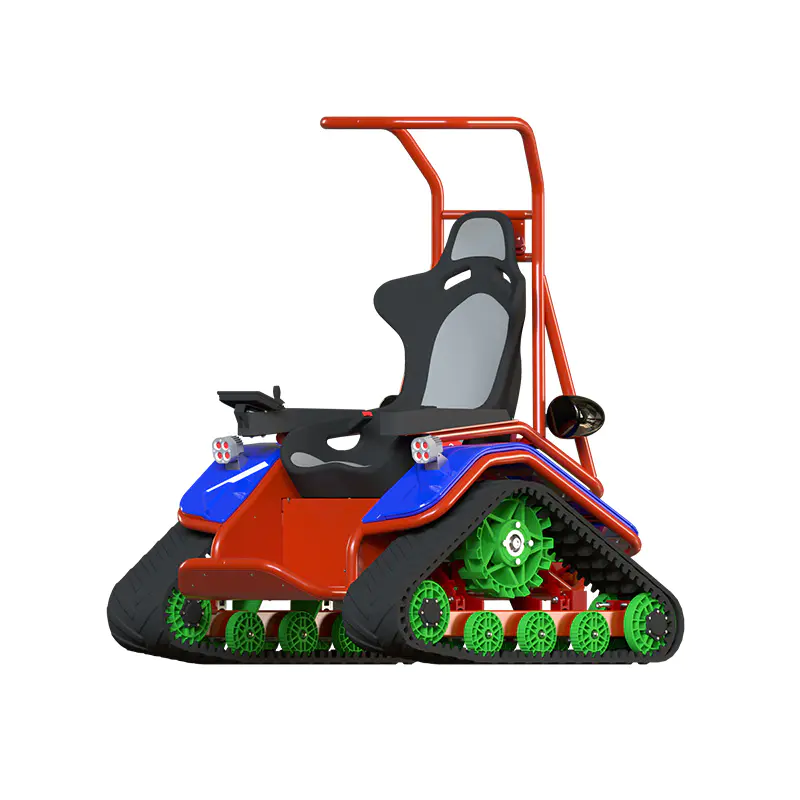
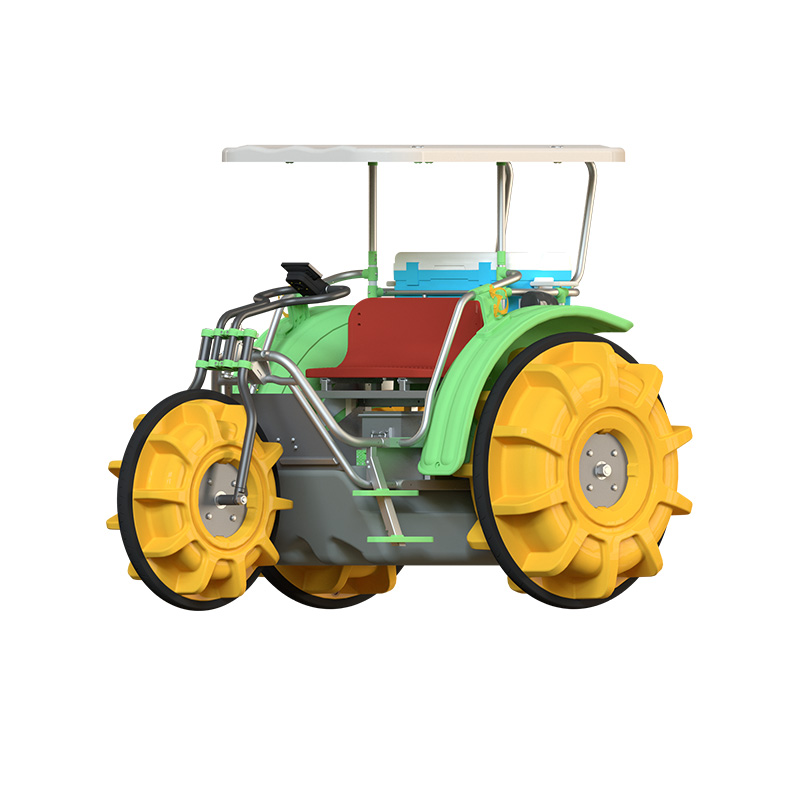
With the growth of outdoor tourism and recreational infrastructure, specialized transport solutions are increasingly needed for safe and comfortable movement. A Leisure Track Vehicle is designed specifically for recreational environments where traditional vehicles may not be suitable. These vehicles operate on dedicated tracks and are often used in scenic areas, parks, and leisure facilities.
Basic Structure and Operating Principle
A Leisure Track Vehicle typically runs on fixed rails or guided tracks installed along a planned route. Unlike road vehicles, it follows a predefined path, which improves safety and simplifies operation. The vehicle body is usually compact, allowing it to move smoothly through natural landscapes without extensive road construction.
Power systems vary depending on the project. Some models are electrically driven, while others may use hybrid systems. The focus is on stable movement, low noise, and controlled speed, which suits recreational environments.
Common Application Scenarios
A Leisure Track Vehicle is often seen in tourist attractions such as mountain resorts, theme parks, botanical gardens, and waterfront promenades. It can transport visitors along scenic routes while allowing them to enjoy surrounding views at a relaxed pace.
In family-oriented parks or leisure complexes, these vehicles are used to connect different zones, reducing walking distance and improving visitor comfort. They are also used in educational parks where guided tours are part of the experience.
Design Focused on Comfort and Experience
Comfort is a key consideration in the design of a Leisure Track Vehicle. Seating layouts are planned to provide clear sightlines, and vehicles often include open or semi-open designs to enhance the viewing experience. Weather protection features such as canopies or enclosed cabins may be added depending on climate conditions.
The ride experience is smooth due to the guided track system, which reduces vibration and sudden movement. This makes the vehicle suitable for a wide range of visitors, including children and elderly passengers.
Safety and Operational Control
Safety is central to the operation of a Leisure Track Vehicle. The guided track limits deviation, and speed is usually controlled automatically. Braking systems and emergency stop functions are integrated into the vehicle design to handle unexpected situations.
Operators often monitor vehicles through centralized control systems. Clear operating procedures and regular inspections help ensure consistent performance during daily operation.
Maintenance and Infrastructure Considerations
Maintaining a Leisure Track Vehicle involves both vehicle upkeep and track inspection. Regular checks of wheels, drive systems, and electrical components help prevent downtime. Track maintenance focuses on alignment, cleanliness, and structural integrity.
Compared to road-based transport, the fixed route allows for predictable maintenance planning. This supports long-term operation in tourism environments where reliability is important.
Environmental and Planning Aspects
Many projects choose a Leisure Track Vehicle because it fits well with environmental planning goals. The fixed track system minimizes land disturbance, and electric power options reduce local emissions. Noise levels are generally low, which helps preserve the atmosphere of natural or cultural sites.
From a planning perspective, these vehicles integrate smoothly into landscape design and visitor flow management.
A Leisure Track Vehicle provides a practical transport solution for recreational and tourism-focused environments. Its guided operation, emphasis on comfort, and compatibility with scenic planning make it suitable for parks, resorts, and leisure facilities. By understanding its structure, applications, safety features, and maintenance needs, project planners and operators can better evaluate how this type of vehicle supports visitor experience and operational efficiency.





- Building 1 and 2, No. 2269, Jingzhong Road, Hongjia Street, Taizhou, Zhejiang, China
- +86-18857621312
- [email protected]
