
 English
  русский
  عربى
عربى 
How Are Electric Track Vehicles Shaping Mobility and Terrain Access?
2026-03-13
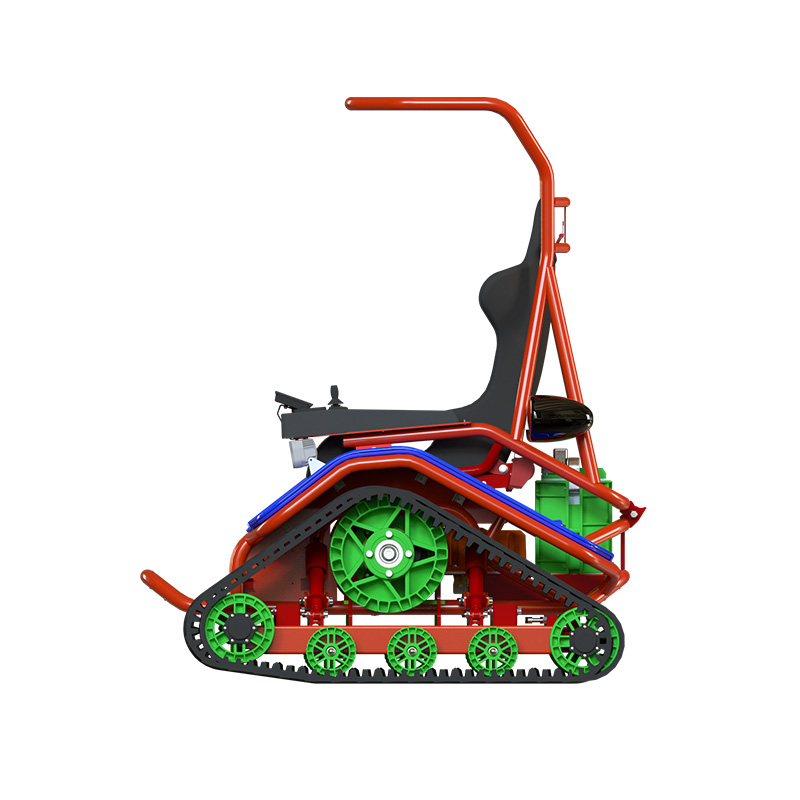
Exploring rugged terrain has always posed challenges, whether for recreation, agriculture, or industrial applications. Electric Track Vehicles offer a new perspective on mobility, combining clean energy with versatile performance. Unlike conventional wheeled vehicles, these track-based machines provide stability and traction on uneven surfaces, opening opportunities in areas where traditional vehicles struggle.
An Electric Track Vehicle uses electric motors to power tracks instead of wheels. This configuration distributes weight evenly, reduces ground pressure, and improves traction on soft, muddy, or snowy terrain. Many models feature rechargeable battery systems that enable extended operation without producing emissions.
The electric drivetrain allows precise control over speed and torque. Operators can maneuver through narrow paths, steep inclines, or sensitive environments with more confidence. Compared to fuel-powered alternatives, these vehicles often run quieter and require less maintenance, making them appealing for both outdoor recreation and industrial use.
Applications in Recreation and Tourism
Outdoor enthusiasts and adventure operators increasingly adopt Electric Track Vehicles for off-road exploration. Their ability to navigate steep hills, sand dunes, and forest trails expands access to previously challenging areas. Quiet operation also enhances wildlife observation and reduces disturbance in natural settings.
Tour operators benefit from reduced fuel costs and the appeal of environmentally friendly transport. Guests experience a unique form of adventure travel that feels modern yet connected to the natural surroundings.
Industrial and Agricultural Uses
Beyond recreation, Electric Track Vehicles serve industrial and agricultural purposes. Farms, construction sites, and forestry operations often require vehicles capable of moving over uneven ground while carrying tools or materials. Electric Track Vehicles provide stable, reliable transport in these environments.
Battery-powered systems reduce fuel expenses and minimize environmental impact. Additionally, electric motors can deliver consistent torque, which is useful for tasks like towing equipment or climbing inclines with heavy loads. In sensitive areas, the reduced noise and absence of exhaust gases are practical advantages.
Efficiency and Sustainability
Energy efficiency is a significant benefit of Electric Track Vehicles. Electric motors convert a high percentage of energy into motion, reducing waste compared to internal combustion engines. Regenerative braking systems can further extend operational range by recovering energy when descending slopes.
Sustainability is also enhanced through reduced emissions, lower noise pollution, and less reliance on fossil fuels. These advantages align with growing environmental awareness and the need for cleaner transport solutions in both urban-adjacent and remote areas.
Design and Safety Features
Modern Electric Track Vehicles incorporate safety and comfort features to improve usability. Low centers of gravity, wide tracks, and precise steering contribute to stability, even on challenging terrain. Some models include adjustable suspension, seating ergonomics, and modular cargo areas.
Control systems often feature intuitive interfaces, allowing operators to manage speed, torque, and track tension easily. Safety sensors and emergency stop functions provide additional protection during operation in remote or hazardous conditions.
Expanding Possibilities for Mobility
Electric Track Vehicles offer an adaptable platform for multiple industries and lifestyles. They demonstrate how electric mobility can meet the demands of off-road travel while reducing environmental impact. From recreational use to practical applications in agriculture and industry, these vehicles redefine what is possible when terrain is no longer a limitation.
As technology continues to evolve, Electric Track Vehicles are likely to become more accessible, with longer battery life, improved power delivery, and enhanced modularity. This combination of performance, efficiency, and versatility positions them as a forward-looking solution for those who need reliable transport in challenging environments.








- Building 1 and 2, No. 2269, Jingzhong Road, Hongjia Street, Taizhou, Zhejiang, China
- +86-18857621312
- [email protected]
