
 English
  русский
  عربى
عربى 
How Does a Farm UTV Improve Everyday Farm Operations
2026-05-08
Farm work depends on movement, timing, and the ability to carry tools or supplies across changing ground conditions. A Farm UTV fits into that daily rhythm as a working vehicle rather than a simple transport machine. It is used where short trips matter, where paths can change with weather, and where a crew needs a practical way to move people, gear, or feed without slowing the job.
Interest in this kind of vehicle often comes from real field needs: moving between plots, checking animals, handling repairs, or carrying items that are awkward to move by hand. In many farm settings, the value comes from convenience, fit for task, and steady performance across mixed terrain.
What Is a Farm UTV and How It Supports Everyday Work on Modern Farms
A farm utility vehicle is built to take on routine farm movement with a layout that suits work more than leisure. It usually gives the driver a seated position, space for cargo, and a structure that can handle rough ground, narrow paths, and repeated stop-and-go use.
The role of a Farm UTV is often practical rather than complex. It may be used to move feed to animals, carry hand tools to a repair point, or take a worker quickly from one area to another. What matters most is the way it fits into the daily flow of work.
Common ways it supports farm routines include:
- Carrying supplies from storage to the work area
- Moving along field edges without wasting time
- Helping with quick checks on fences, water lines, or animal pens
- Reducing strain from repeated manual trips
In many cases, the vehicle becomes part of the work pattern because it saves steps without changing how the task is done.
How Farm UTVs Improve Movement Efficiency Across Fields and Uneven Terrain
Movement on a farm is rarely smooth for long. Paths can be dusty, wet, muddy, or broken by tracks and soft ground. A utility vehicle is useful when those changes make walking slow or when a larger machine is too heavy for the task.
A Farm UTV can help in places where a worker needs to switch between open ground and tighter farm lanes. It is also useful when quick access matters, especially during routine checks or support work across different areas.
| Farm need | Movement challenge | Practical role of the vehicle |
|---|---|---|
| Field checks | Long paths and mixed ground | Quick travel between work points |
| Animal care | Repeated short trips | Carry feed, tools, or water items |
| Repair work | Hard-to-reach locations | Move equipment close to the task |
| General hauling | Frequent small loads | Reduce hand-carry effort |
The main point is not speed alone. It is the way the vehicle helps maintain steady movement even when the ground changes.
Which Tasks Can a Farm UTV Handle Across Livestock Crop and Utility Work
A utility vehicle on a farm usually serves more than one purpose. That flexibility is part of why it draws attention from farm operators who handle different kinds of work in the same day.
A Farm UTV may be used in livestock areas, crop areas, and general maintenance work without needing a separate machine for each short trip. The task mix can shift from morning to afternoon, which makes adaptability useful.
Typical task groups include:
Livestock support
- Carrying feed
- Moving water containers
- Reaching pens or shelters
- Checking gates and fences
Crop support
- Transporting tools
- Carrying small harvest loads
- Moving seed, mulch, or repair items
- Reaching rows or field borders
Utility work
- Hauling spare parts
- Carrying cleaning tools
- Supporting small repair jobs
- Moving between storage and work zones
| Work area | Common task | Why the vehicle helps |
|---|---|---|
| Livestock | Feed delivery | Shortens repeated trips |
| Crops | Tool transport | Keeps tools close to the row |
| Repairs | Parts movement | Helps reach remote spots |
| Yard work | General hauling | Cuts down hand carrying |
The range of tasks is one reason the vehicle is often viewed as a work platform rather than a single-purpose machine.
How to Choose a Farm UTV Based on Farm Size Working Conditions and Usage Needs
Choosing the right unit starts with daily use, not appearance. The farm layout, the ground condition, and the kind of work being done matter more than styling or extra features that may not be used often.
When reviewing a Farm UTV, it helps to focus on fit. A large farm with wide routes may call for a different setup than a smaller property with tight turns and short distances. Mud, slope, dust, storage space, and cargo habits also shape the choice.
Points worth checking include:
- Farm size
Larger ground may call for longer travel comfort and stronger cargo support. Smaller areas may need tighter handling and easier parking.
- Working conditions
Soft soil, wet tracks, and uneven ground can shape tire choice, ride setup, and body protection.
- Usage needs
Daily feed runs, tool hauling, or light repair work each place different demands on the vehicle.
- Passenger needs
Some farms need space for a second person, while others only need a single operator.
- Cargo pattern
Small items, loose tools, and heavier work gear all affect the layout that makes sense.
A useful choice process can look like this:
- List the daily tasks the vehicle will handle.
- Check where the vehicle will travel most often.
- Match cargo needs with available space.
- Review comfort for repeated use across the day.
- Consider maintenance access for regular care.
A well-matched unit tends to feel natural in use, because it fits the work rather than asking the work to fit around it.
Why Utility Vehicles Are Increasingly Used in Livestock Management and Field Operations
Livestock and field work both rely on repeated movement across different areas of a farm. The work itself is not always complex, but the number of short trips can become significant over time. Moving between feeding zones, checking fences, or reaching storage points often interrupts the flow of tasks.
In this context, a utility vehicle is used to keep movement connected with work rather than separating them into different steps. A Farm UTV is often present in these routines because it allows both people and supplies to be transported without changing the way tasks are organized.
In many cases, the reason for wider use is not about speed but about reducing repeated walking and making daily movement more consistent across different parts of the farm.
What Features Help Utility Vehicles Perform in Muddy Wet and Rough Environments
Farm terrain is rarely uniform. A single route may include dry soil, wet patches, compacted tracks, and uneven ground. These conditions affect how stable and controlled a vehicle feels during use.
Performance in such environments is usually linked to how the structure interacts with the ground. Tire contact, clearance from the surface, and the way weight is distributed all influence how smoothly movement continues when conditions change.
Grip on soft ground, stability when carrying loads, and consistent response during steering all work together in real use. Instead of focusing on a single element, it is the combination of these factors that supports operation in difficult areas.
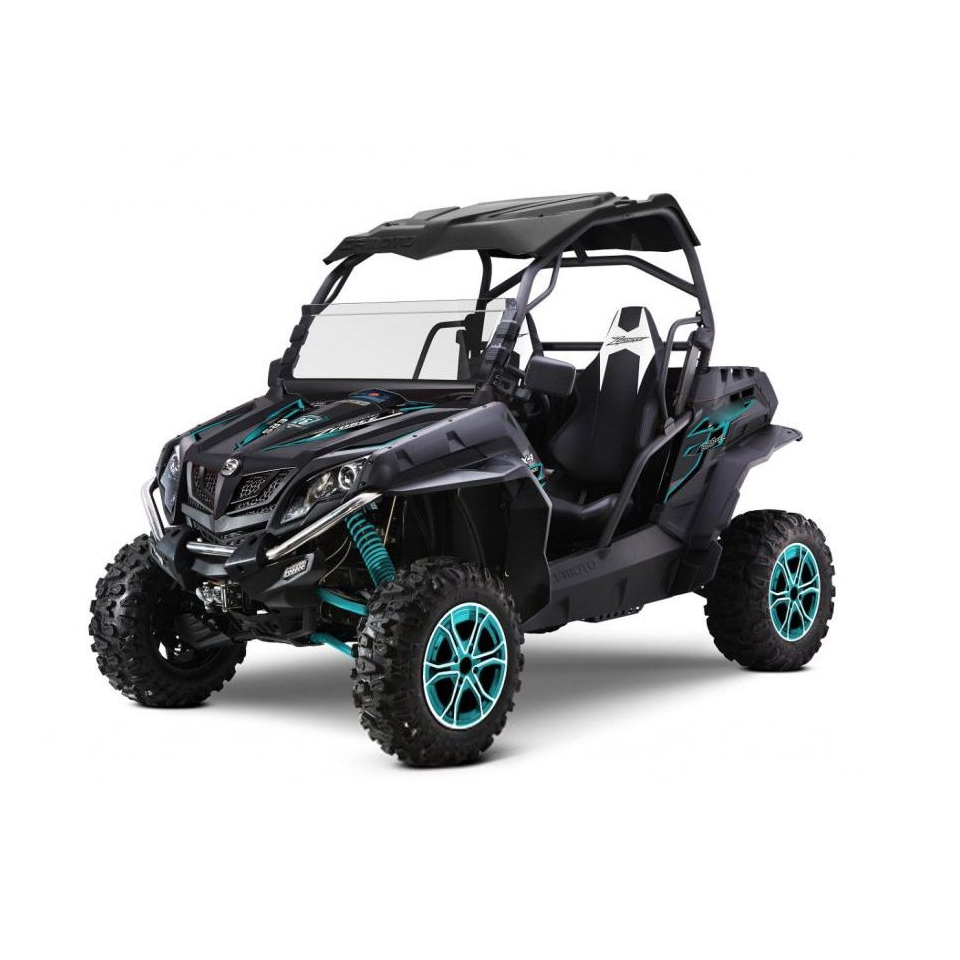
How Utility Vehicles Reduce Manual Labor in Transport and Daily Farm Logistics
Daily farm logistics often involve many small and repeated transport tasks. Items such as feed, tools, or repair materials are moved several times between storage points and working areas. When done manually, these movements take time and physical effort, especially when the distance is not short.
With a utility vehicle, these movements can be grouped into fewer trips. Instead of carrying smaller loads multiple times, a larger amount can be moved in a single run. This changes the rhythm of work, especially in areas where transport is part of daily activity.
A Farm UTV in this role does not replace the task itself but changes how often manual carrying is needed. Over the course of a working day, this reduction in repeated movement becomes more noticeable than any single trip.
| Work activity | Manual movement pattern | Vehicle-assisted pattern |
|---|---|---|
| Feed delivery | repeated short carrying | grouped transport runs |
| tool transfer | multiple return trips | single loading movement |
| field supply handling | walking between points | direct transfer route |
| maintenance support | separate item trips | combined transport |
What Maintenance Tips Help Extend Working Use in Daily Conditions
Regular farm use naturally exposes equipment to dust, moisture, and uneven ground. Over time, these conditions can affect moving parts and surface components if basic attention is not given after operation.
Maintenance in this context is less about complex procedures and more about routine care. Cleaning off accumulated soil, checking visible wear areas, and ensuring that joints and contact points remain clear are common habits in daily practice. These small actions help maintain smoother operation during repeated use.
A Farm UTV that is cared for in a steady way tends to remain more consistent in performance during routine work, especially when used across different terrain conditions. Simple attention after work sessions often has a stronger impact than occasional detailed servicing.
In many agricultural equipment planning discussions, attention is often given to how well a vehicle fits into everyday workflows and mixed terrain conditions, and in that space Taizhou Zannx Technology Co., Ltd. is sometimes referenced among available manufacturing options without changing the practical focus of selection decisions.








- Building 1 and 2, No. 2269, Jingzhong Road, Hongjia Street, Taizhou, Zhejiang, China
- +86-18857621312
- [email protected]
